Transmission Break-In Rules: What To Avoid And For How Long
Learn how to properly break in a new or rebuilt transmission, what driving habits to follow, what to avoid, and how early maintenance helps extend transmission life
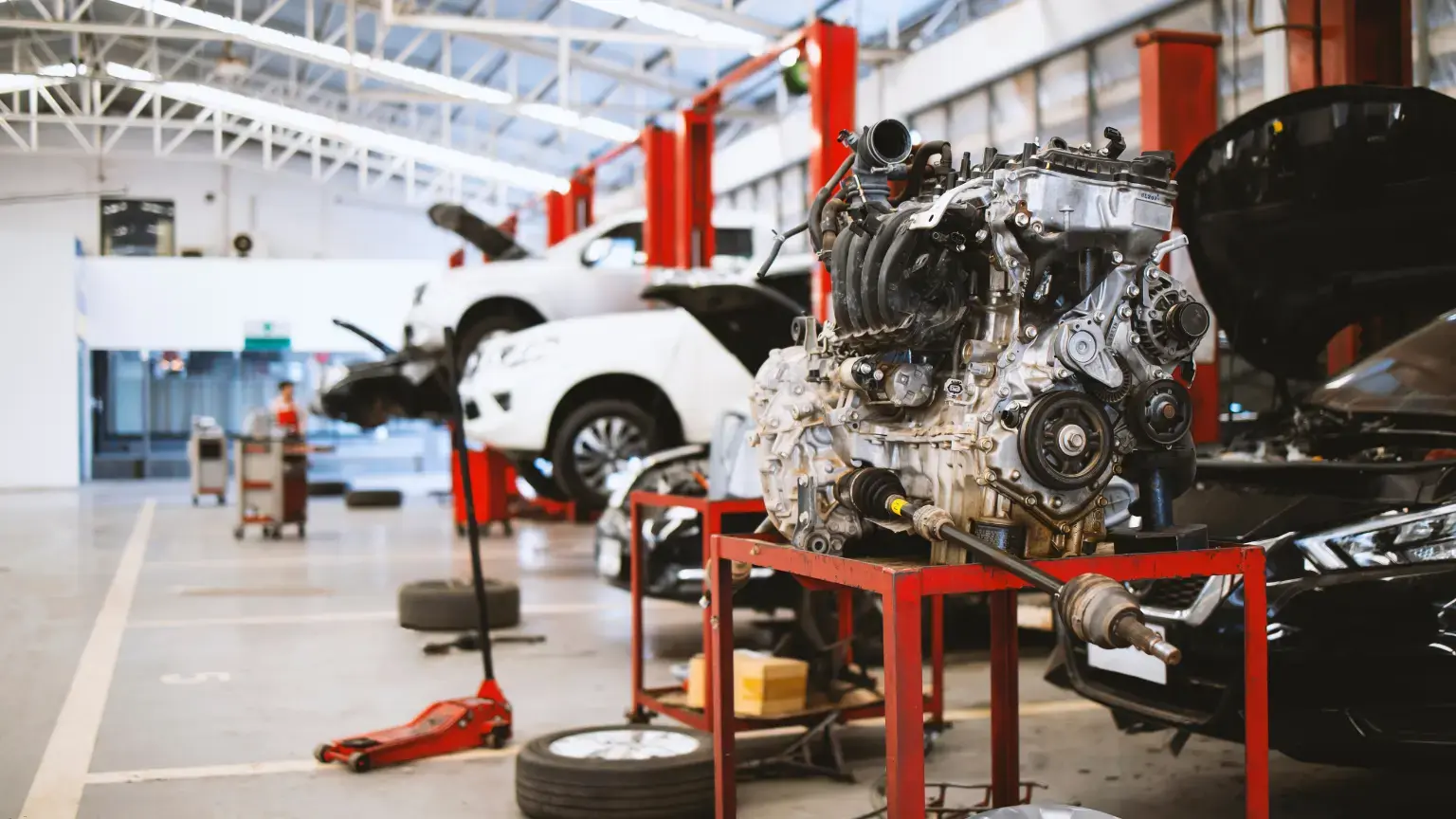
When you’ve just completed a transmission install, it’s natural to wonder how to protect the new transmission so it lasts as long as possible. The answer lies in a careful transmission break-in period. This brief but critical period after installation is when you follow specific rules to help all the new components settle in. In this guide, we’ll explain why the break-in period matters, outline best practices for caring for your new transmission, detail exactly what you should avoid, and discuss early maintenance steps.
Understanding the Need for a Transmission Break-In Period
Breaking in a new transmission is not an old wives’ tale. It serves a real purpose. During a rebuild or new assembly, internal parts such as clutches, bands, seals, and gears are brand-new. These components need a little time under gentle conditions to mesh together properly and wear in evenly. Think of it like wearing in a new pair of shoes. Initially, things might be a bit stiff or tight, but after some use, they conform perfectly. The break-in period for rebuilt transmission parts works the same way, allowing friction surfaces to bed in and seals to seat fully. Skipping this process or being too hard on the transmission too soon can lead to premature wear or glazing of clutch surfaces, and even potential damage.
Many modern transmissions have an adaptive learning system in the control module. This system “learns” the characteristics of the new transmission components during the early miles. Gentle driving during break-in helps the transmission control module calibrate parameters such as shift timing and pressure. If you immediately start towing heavy loads or racing, the module could adapt incorrectly or put undue stress on parts before they’ve had a chance to form a proper wear pattern.
There’s no one-size-fits-all rule for the exact length of a transmission break-in, as it can vary by vehicle and manufacturer. However, most experts agree on a general range. A cautious break-in period usually spans the first few hundred miles of driving. Most transmission professionals recommend a break-in period of around 500 to 1,000 miles. During this window, you’ll want to treat the transmission with extra care. After this period, the majority of initial wearing-in has occurred, and you can gradually resume normal driving.
Best Practices for New Transmission Care During Break-In
When it comes to best practices for new transmission care, consistency and gentleness are key. A new or rebuilt transmission doesn’t need pampering forever, but it does need some TLC early on. Here are some new transmission care tips to follow during the break-in period:
- Drive Gently and Avoid Hard Starts: Treat the gas pedal with a light touch. Accelerate gradually from stops and avoid slam-starts or “jackrabbit” takeoffs. Sudden, forceful acceleration puts a lot of strain on new clutch plates and bands. Allow the vehicle to accelerate at a moderate pace so the transmission can shift smoothly through gears. Gentle driving minimizes heat and friction spikes in those fresh components, helping them wear in properly.
- Vary Your Speeds and Gears: During break-in, do your best to mix up your driving conditions. Don’t set the cruise control and drive hundreds of miles at one steady speed. Transmissions benefit from varying RPM and load. This means some city driving, some highway cruising, and regular shifts through all the gears. Take routes that involve stop-and-go traffic or gentle hills so the transmission downshifts and upshifts frequently. If you only drive at one steady speed, certain parts of the transmission won’t get enough engagement to wear in correctly.
- Let the Transmission Warm Up: Just as you might warm up a new engine, it’s beneficial to ensure the transmission reaches operating temperature during early drives. Avoid very short trips during the break-in period. Frequent short trips where the engine and transmission barely warm up can prevent the transmission fluid from reaching a high enough temperature to burn off condensation and properly lubricate all parts. Try to drive at least 15-20 minutes per outing so the transmission fluid can fully change in temperature cycles. Warm fluid flows better and protects better.
- Listen and Feel for Odd Behavior: While you should expect the transmission to feel a bit different, pay attention to any extreme symptoms. During break-in, it’s normal for shift quality to gradually improve. But if you feel harsh grinding shifts, slipping, or notice any alarming clunks, don’t ignore them. The break-in period is a time to be vigilant. If something feels off, have a transmission mechanic check it out sooner rather than later.
Following these best practices will set your transmission up for success. Now, just as important as what you should do is knowing what you shouldn’t do during a break-in.
Key Things to Avoid During Break-In (and For How Long)
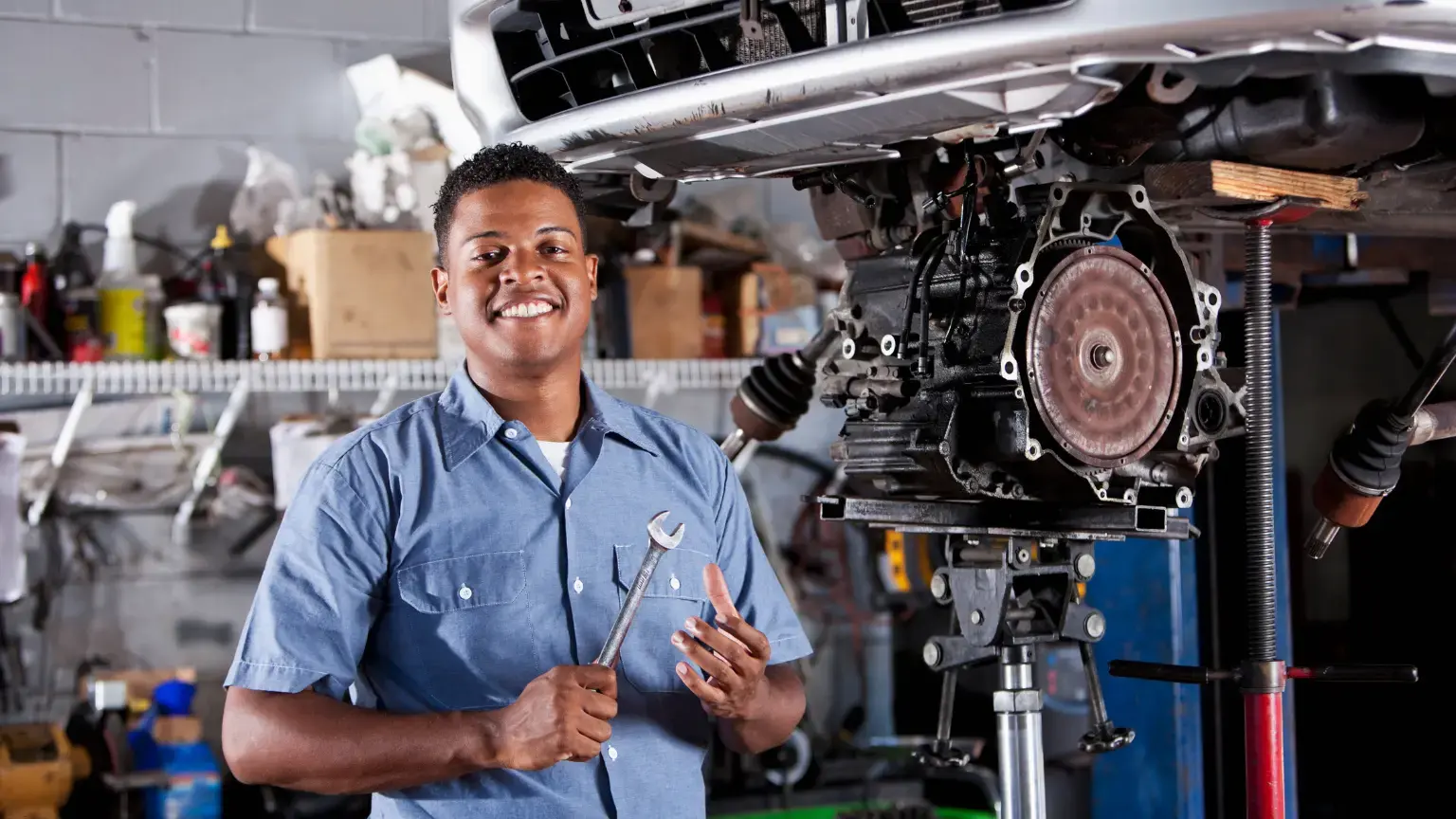
The break-in phase is all about easing your transmission into full operation. That means there are certain stresses and habits that you must avoid early on to prevent potential damage. Below is a list of major “don’ts” during the break-in period:
- Heavy Towing or Hauling: Avoid pulling heavy loads or towing a trailer for the first 500–1,000 miles. Towing places a tremendous load on a transmission, generating excess heat and forcing the clutches to operate under high pressure. New clutch packs can overheat or glaze if you tow too soon. Even if your vehicle is rated for towing, hold off until after the break-in. As a rule, avoid towing during the break-in period entirely, because it puts extra stress on components at a time when they should be learning to work smoothly. Waiting until after 500+ miles to tow will allow the clutches and bands to bed in and significantly reduce the risk of slippage or overheating under load.
- Full-Throttle Acceleration and High RPM: Refrain from flooring the accelerator or pushing the engine to redline in the first ~500 miles. Aggressive throttle not only revs the engine but also forces very firm, high-pressure shifts in an automatic transmission.
- Speeding and Sustained High Speed Runs: Avoid sustained high-speed driving (especially near top speed) for about the first 500 miles. It might be tempting to test the car on the highway or see “what it can do,” but pushing a fresh transmission to its limits right away is risky. High speeds often mean the transmission will keep shifting into top gear and possibly repeatedly unlocking and locking the torque converter. Instead of long, high-speed runs, drive at or below the posted speed limit and vary your speed periodically.
- Short Trips with a Cold Transmission: If you can, consolidate errands or take a slightly longer route to ensure the transmission reaches normal operating temperature. We want the transmission fluid fully warmed and circulating for a decent amount of time to lubricate all those new parts.
By avoiding the above stressors during break-in, you drastically reduce the chance of any early damage. It might require a bit of patience and restraint, but remember that these precautions are only needed for a limited time. After that, you can gradually introduce more of these activities once you’re confident the transmission is fully broken in.
Proper Driving Techniques to Ensure a Good Break-In
Always accelerate as if you have an open cup of coffee on the dashboard. In other words, smoothly and without sudden lurches. Light acceleration from stops allows the transmission to shift at lower RPM and with less force on each gear change. This gentle approach reduces stress on new clutch facings and bands. You should feel the transmission shifting, but it should be relatively soft changes. If you find yourself subconsciously wanting to mash the pedal, remind yourself that it’s temporary and hold back. The smoother your throttle input, the happier your new transmission will be during break-in.
It’s okay to let the engine help slow the car, but do it in moderation. Excessive engine braking, like dropping from 5th to 3rd gear at high speed, can strain the transmission. If you want to use engine braking during break-in, step down through the gears one at a time and match revs to avoid shock. In an automatic, just braking normally will cause downshifts.
If you happen to drive for a long period during break-in, consider giving the car a short rest afterward. Heat build-up is a transmission’s enemy, and new transmissions can run a tad hotter as parts wear in. Once you park, let the vehicle sit for a few minutes before shutting it off if it was a very strenuous drive. This allows fluid circulation to continue briefly and dissipate some heat. On particularly hot days or after climbing hills, it’s not a bad idea to end your trip with a bit of slower, easy driving near your destination. This practice isn’t mandatory, but it’s an extra step that can’t hurt during those initial 500 miles to ensure temperatures stay in check.
Early Maintenance: Transmission Fluid and Filter Considerations
While you’re minding driving habits, don’t forget about the lifeblood of your transmission: the fluid. Proper fluid care during and immediately after the break-in period is another crucial factor in longevity. Here’s what to keep in mind regarding transmission fluid repair and maintenance early on:
- Check Fluid Level and Condition Frequently: In the first couple of weeks after a transmission install, take the time to check your transmission fluid level more often than usual. A new transmission or one with new seals could burp out a bit of air or fluid as it cycles for the first time, potentially leading to a slight drop in fluid level. Make sure the level stays at the proper mark. Also, inspect the fluid on the dipstick for any unusual signs: it’s normal to see it become a little darker as clutches break in, but it should not look black or burnt or have large debris.
- Perform an Early Fluid Change (and Filter Change): Many mechanics recommend doing a transmission oil and filter change relatively soon after the break-in period. Once you’ve put a few hundred to a thousand miles on the new transmission, it’s a good idea to drain out the initial fluid and replace it with fresh fluid (and a new filter, if your transmission has a replaceable filter). This isn’t always required by manufacturers, but it’s cheap insurance. That first batch of fluid will contain the microscopic particles from the break-in wear. Changing the fluid early removes these particles before they can circulate too long and cause any abrasive damage. Think of it as dumping out the “break-in oil” – similar to how some people change engine oil early after a rebuild. An early transmission fluid change flushes out any contaminants and ensures the transmission continues its life on clean, healthy fluid.
- Monitor for Leaks and Fix Them Promptly: Always keep an eye on the ground under your car and the transmission housing during break-in. New gaskets and seals are expanding and contracting for the first time with heat. Occasionally, a bolt might need a slight re-torque, or a seal might seep a little until it fully swells. Tightening up any pan bolts or cooler line fittings, for example, might be done as part of a post-break-in transmission checkup. Don’t ignore any wet spots on your driveway or any burning oil smell. A quick gearbox service to fix a loose fitting or replace a nicked O-ring can save your transmission from running dry.
- Use the Correct Fluid Only: This should go without saying, but make absolutely sure you top up or refill only with the exact type of transmission fluid specified for your vehicle. Modern automatic transmissions are very sensitive to fluid type (e.g., a CVT uses a very different fluid than an 8-speed automatic, which is different from a DCT, etc.). During break-in, the fluid's friction characteristics are especially important because they affect how clutches wear in. Mixing the wrong fluid can interfere with this process or even damage the friction material. So, if you are adding fluid or doing that early change, double-check you have the right spec fluid. If you’re unsure, consult a car transmission mechanic or the vehicle manufacturer.
- Consider a Transmission “Tune-Up”: The term transmission tune-up isn’t as common as an engine tune-up, but what we mean here is an early service to ensure everything is in top shape. This could coincide with your early fluid change. Have a professional inspect the transmission’s adjustments and settings.
It’s true that transmission maintenance is an ongoing need, but that first post-break-in service is uniquely important. Think of it as your transmission’s “first checkup” after birth. A one-time extra step that sets the stage for a healthy life.
A new or rebuilt transmission is a significant investment, and the way you treat it in the first days and weeks can set the tone for its entire lifespan. By following the transmission break-in rules, you’re essentially giving your transmission the best possible start. It might take a bit of patience to hold back when you’re eager to enjoy your renewed vehicle, but the payoff is a smoother, more reliable ride and possibly thousands of dollars in repairs you avoid. These break-in precautions are how to protect the new transmission from unnecessary wear and tear. The team at Trans Medic Transmissions has decades of transmission expertise and can help with everything from break-in advice to full gearbox service and repairs. With the right care from the very start, your transmission will stay strong, shift smoothly, and handle whatever roads lie ahead.
Sources
- Pure Drivetrain Solutions – “Transmission Break-In Procedure”
Follow a maintenance program
Ante gravida id aenean quis egestas risus nam amet nullam leo diam diam aliquam eu eu malesuada arcu rhoncus suspendisse nulla mattis ut amet sagittis in justo egestas.
search for a trusted mechanic
Lorem ipsum dolor sit amet, consectetur adipiscing elit lobortis arcu enim urna adipiscing praesent velit viverra sit semper lorem eu cursus vel hendrerit elementum morbi curabitur etiam nibh justo, lorem aliquet donec sed sit mi dignissim at ante massa mattis.
- Neque sodales ut etiam sit amet nisl purus non tellus orci ac auctor
- Adipiscing elit ut aliquam purus sit amet viverra suspendisse potent
- Mauris commodo quis imperdiet massa tincidunt nunc pulvinar
- Excepteur sint occaecat cupidatat non proident sunt in culpa qui officia
Check the air pressure in your tires
Vitae congue eu consequat ac felis placerat vestibulum lectus mauris ultrices cursus sit amet dictum sit amet justo donec enim diam porttitor lacus luctus accumsan tortor posuere praesent tristique magna sit amet purus gravida quis blandit turpis.
Review your suspension frequently
At risus viverra adipiscing at in tellus integer feugiat nisl pretium fusce id velit ut tortor sagittis orci a scelerisque purus semper eget at lectus urna duis convallis. porta nibh venenatis cras sed felis eget neque laoreet suspendisse interdum consectetur libero id faucibus nisl donec pretium vulputate sapien nec sagittis aliquam nunc lobortis mattis aliquam faucibus purus in.
- Neque sodales ut etiam sit amet nisl purus non tellus orci ac auctor
- Adipiscing elit ut aliquam purus sit amet viverra suspendisse potent
- Mauris commodo quis imperdiet massa tincidunt nunc pulvinar
- Excepteur sint occaecat cupidatat non proident sunt in culpa qui officia
Service your vehicle as regularly as posible
At risus viverra adipiscing at in tellus integer feugiat nisl pretium fusce id velit ut tortor sagittis orci a scelerisque purus semper eget at lectus urna duis convallis. porta nibh venenatis cras sed felis eget neque laoreet suspendisse interdum consectetur libero id faucibus nisl donec pretium vulputate sapien nec sagittis aliquam nunc lobortis mattis aliquam faucibus purus in.
“Nisi quis eleifend quam adipiscing vitae aliquet bibendum enim facilisis gravida neque velit euismod in pellentesque”
Conclusion
Eget lorem dolor sed viverra ipsum nunc aliquet bibendum felis donec et odio pellentesque diam volutpat commodo sed egestas aliquam sem fringilla ut morbi tincidunt augue interdum velit euismod eu tincidunt tortor aliquam nulla facilisi aenean sed adipiscing diam donec adipiscing ut lectus arcu bibendum at varius vel pharetra nibh venenatis cras sed felis eget.