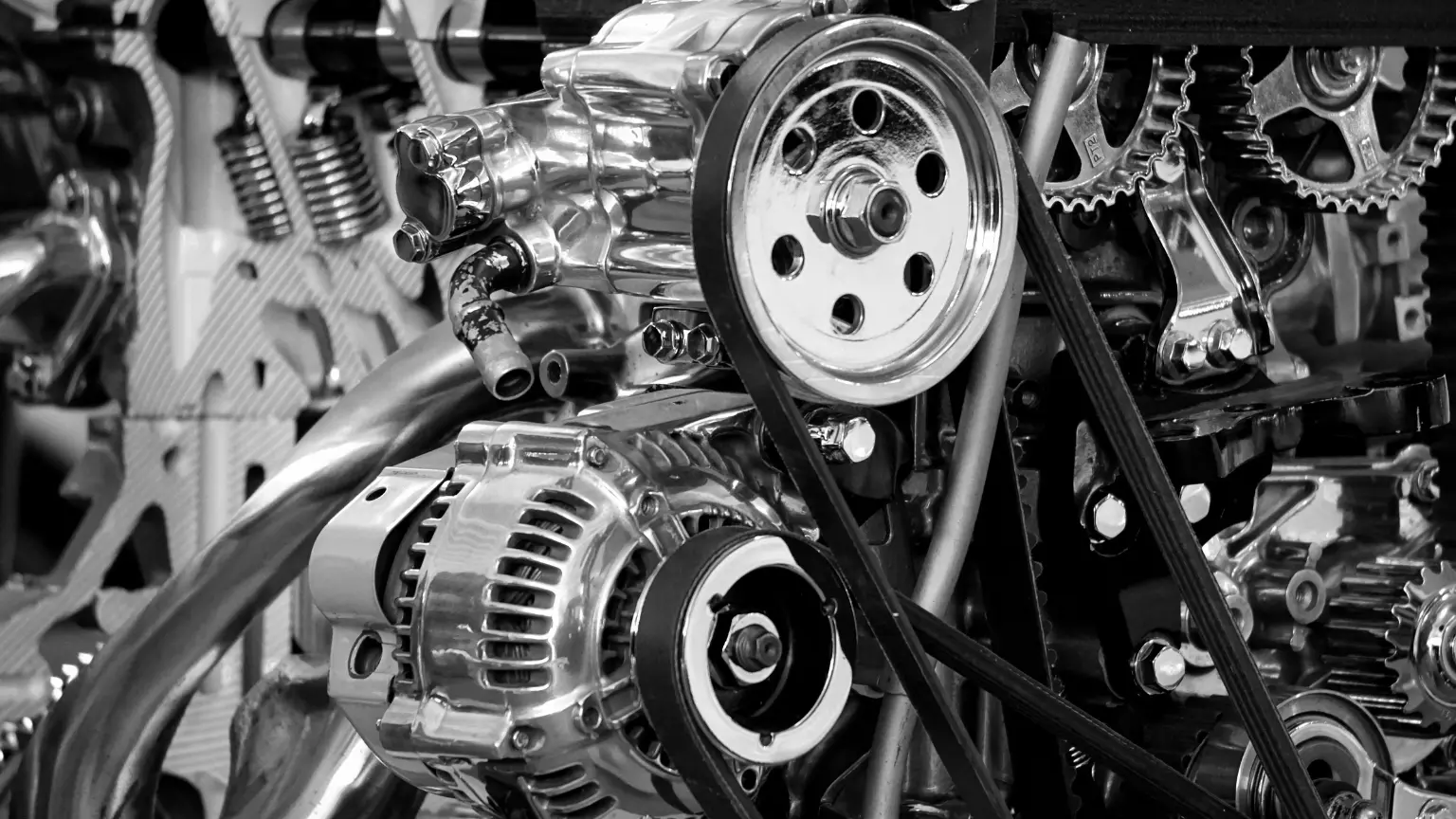
How to Detect and Fix a Transmission Fluid Leak
Learn how to spot a transmission fluid leak, what causes it, and how to fix it before serious damage occurs. This guide covers warning signs, DIY fixes, repair costs, and when to seek professional help.

Finding a transmission fluid leak in your vehicle can be worrying, but addressing it promptly can save you from serious headaches down the road. Transmission fluid is the lifeblood of your car’s transmission system. It lubricates moving parts, provides hydraulic pressure for gear changes, and helps keep the transmission cool. If that fluid leaks out, the transmission can’t perform properly and may suffer rapid damage or even fail entirely. A persistent leak can eventually lead to transmission failure if left unattended.
Signs of a Transmission Fluid Leak
Early detection of a transmission leak is crucial. There are several telltale signs of transmission leak problems that you can watch out for during everyday use of your car:
- Puddles or Spots Under Your Car: The most obvious sign is finding a puddle of fluid where your car was parked. Transmission fluid is typically red or pinkish. If you notice a reddish-brown oily spot in your usual parking spot, it’s a strong indicator of a leak. This distinguishes it from common car leaks like engine oil (usually brown/black) or coolant (green or orange). Automatic transmission fluid also has a distinct sweet or tart, almost fruity odor, which can help identify it. By contrast, manual transmission gear oil may appear light brown or amber and have a sharper smell.
- Low Fluid Level on Dipstick: Another sign of a leak is a drop in the transmission’s fluid level. Many automatic transmissions have a dipstick that you can pull to check the fluid level and condition. If you inspect it and find the transmission fluid level is below the “Full” mark, that loss of fluid likely means a leak is present. The fluid on the dipstick should ideally be a clear red or pink color; very dark or burnt-smelling fluid could indicate other issues.
- Delayed or Slipping Gears: Because transmission fluid provides the hydraulic pressure needed for gear changes, a low fluid level can cause gear changes to be delayed or slip. You might experience delayed engagement when you shift into Drive or Reverse. The engine revs, but the car hesitates to move. In other cases, the transmission may slip, meaning the vehicle falls out of gear or the engine races without corresponding acceleration. These symptoms often point to insufficient fluid pressure due to a leak.
- Unusual Shifting or Noises: Leaking fluid can lead to rough or hard gear changes. You might feel a shudder or hear a clunk when the transmission shifts. On manual transmissions, low fluid can make it difficult to get into gear or cause grinding noises. Any new whining, humming, or metal-on-metal sounds from the transmission area should be investigated.
- Smell of Burning Fluid: If transmission fluid drips onto hot engine or exhaust parts, it can burn and produce a noticeable chemical burn smell. A sweet, burning odor when the car is running or right after driving can be a clue that fluid is leaking onto a hot surface. Also, overheated transmission fluid can emit a burnt smell and signal trouble.
Taking note of these signs will help you catch a transmission leak early. If you suspect a leak, try placing a sheet of clean cardboard under the car overnight. The placement and color of any fluid drip can confirm whether it’s transmission fluid and where it’s coming from.
How to Check Your Transmission Fluid Level
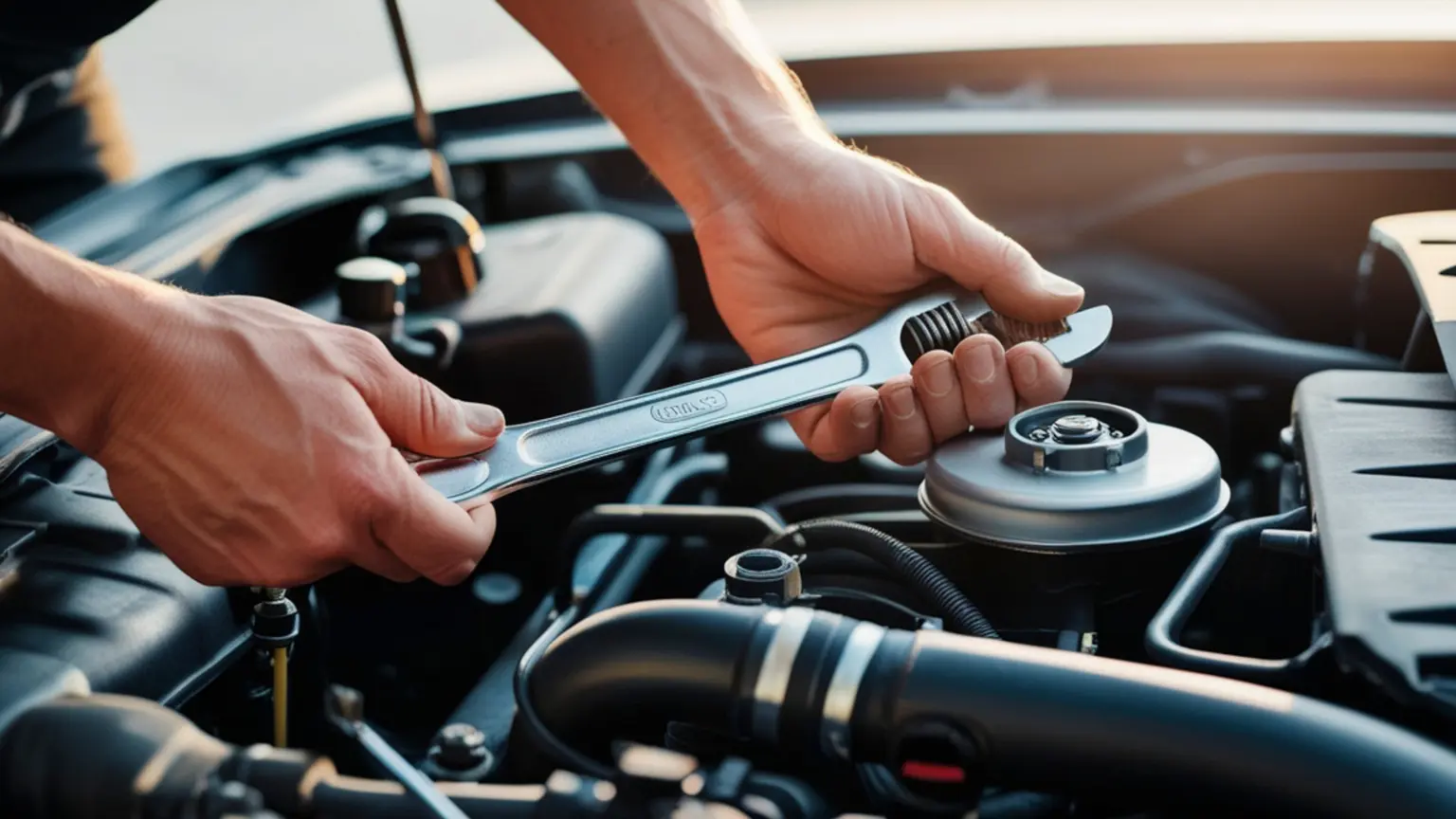
To confirm a suspected leak or just as routine maintenance, it’s important to know how to check transmission fluid levels properly. Checking the fluid is usually straightforward on vehicles equipped with a transmission dipstick:
- Park on Level Ground: Make sure the vehicle is on a level surface and engage the parking brake. For most automatics, you should have the engine warmed up and running when checking fluid.
- Locate the Dipstick: Open the hood and find the transmission fluid dipstick. It’s often towards the back of the engine bay and may be labeled or colored. It looks similar to the engine oil dipstick.
- Pull, Wipe, and Reinsert: With the engine idling in Park or Neutral, pull out the dipstick. Check the transmission fluid on the stick by wiping it with a clean rag, then reinsert it fully and pull it out again. This gives an accurate reading.
- Read the Level: Look at the markings on the dipstick. The fluid should ideally reach the proper level indicated. If the transmission fluid level is below the recommended range, it means the transmission is low on fluid.
- Inspect Fluid Condition: Observe the fluid’s color and smell on the dipstick. Healthy automatic transmission fluid is usually transparent red or pink. If it’s dark brown, has particles, or smells burnt, it may be degraded and in need of changing. Any milkiness could indicate coolant contamination.
- Top-Up if Necessary: If the level is low and you need to drive the car, you can add the correct type of automatic transmission fluid through the dipstick tube using a funnel. Add a little at a time and re-check, because overfilling can also cause problems.
If the transmission fluid level is down, there’s a good chance there’s a leak somewhere, and it should be addressed promptly to avoid damage. Keep in mind that many modern vehicles no longer have accessible dipsticks, meaning fluid level checks and adjustments must be done by a mechanic for transmission repair services.
Common Causes of Transmission Fluid Leaks
The transmission pan is a metal pan bolted to the bottom of the transmission and holds a reserve of fluid. It’s sealed to the transmission body by a gasket. Over time, heat and wear can deteriorate the transmission pan gasket, or it may get damaged during service. A deteriorating pan gasket is a very common cause of a transmission fluid leak. If the gasket dries out, cracks, or doesn’t seal properly, fluid can seep out around the pan’s edge.
The pan itself can be the culprit if it’s bent or if its bolts are loose. A hard impact might dent the pan or jar it, breaking the seal. Additionally, if the pan bolts weren’t tightened evenly to the correct torque, the pan may not press the gasket properly, leading to a leak. Ensuring the pan is flat and the bolts are secure can often stop such leaks.
Automatic transmissions typically pump fluid to a cooler via steel or rubber lines. Over the years, these transmission cooling lines can corrode, crack, or get damaged by road debris. Rubber hose sections may become brittle, or the clamps can loosen. A crack or pinhole in a line will drip fluid. Leaking cooler lines must usually be replaced, but fortunately, this is not a terribly expensive fix in most cases.
Various seals keep fluid contained where shafts or cables enter the transmission. Two notorious leak points are the input and output shaft seals. The output shaft seal is where the drive shaft (for RWD) or axles (for FWD) connect. If this seal wears out or gets damaged, you’ll see fluid at the back of the transmission. Similarly, the front input seal can leak, though that one is harder to see. Shifter linkage seals, speed sensor O-rings, or any other rubber seal can fail with age and heat. When seals crack or harden, they allow fluid to escape.
How to Fix a Transmission Fluid Leak (DIY Approach)
Depending on the cause of the leak, you may be able to fix it yourself if you have some mechanical skills. Minor issues like a loose pan or a bad gasket can often be addressed at home. Park the car on a flat surface and chock the wheels. Jack up the vehicle securely and support it on jack stands if you need to work underneath. Turn off the engine and let the transmission cool if it’s hot. Wear gloves and safety glasses, as you’ll be dealing with an oily mess and possibly lying under the car.
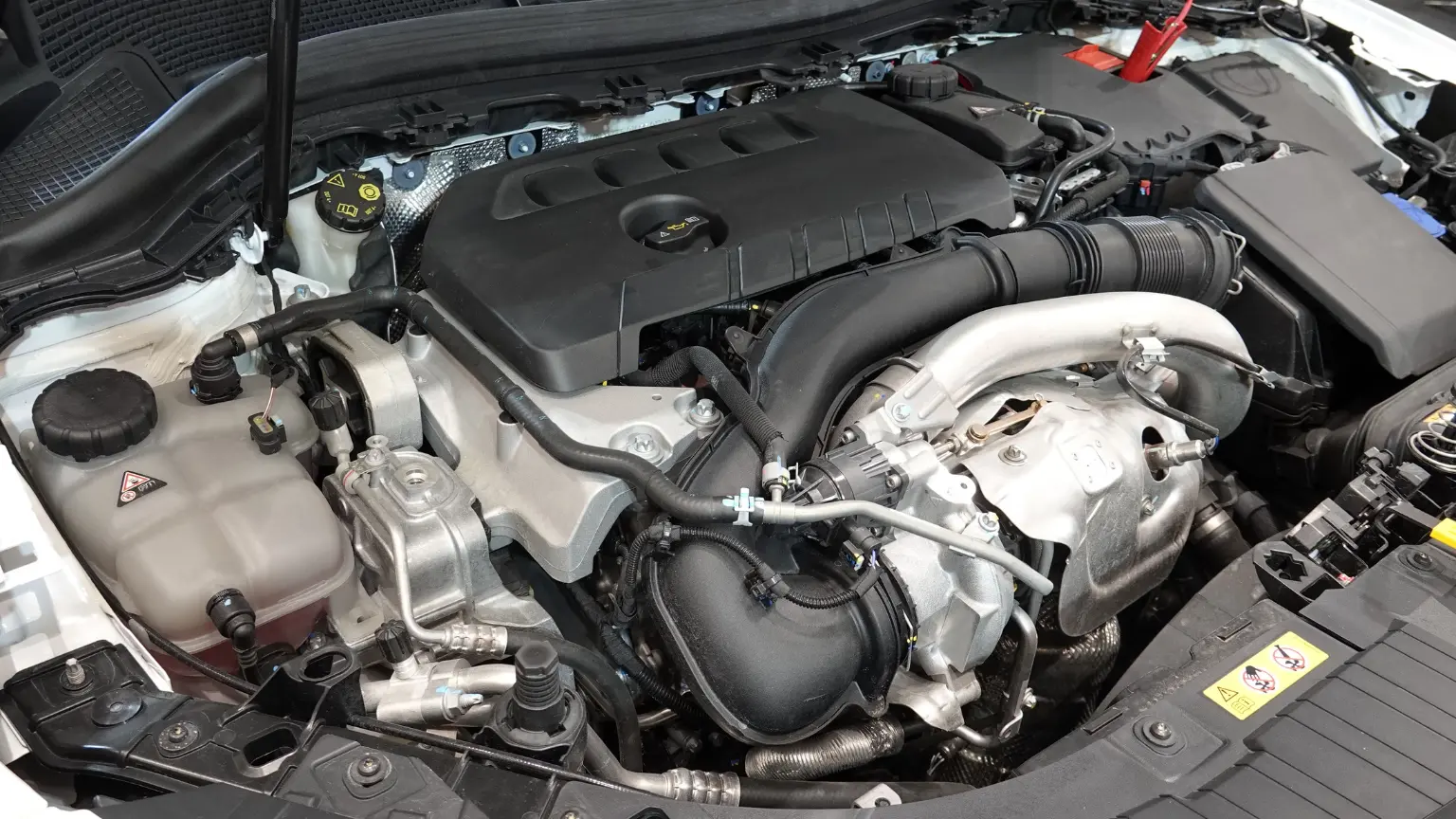
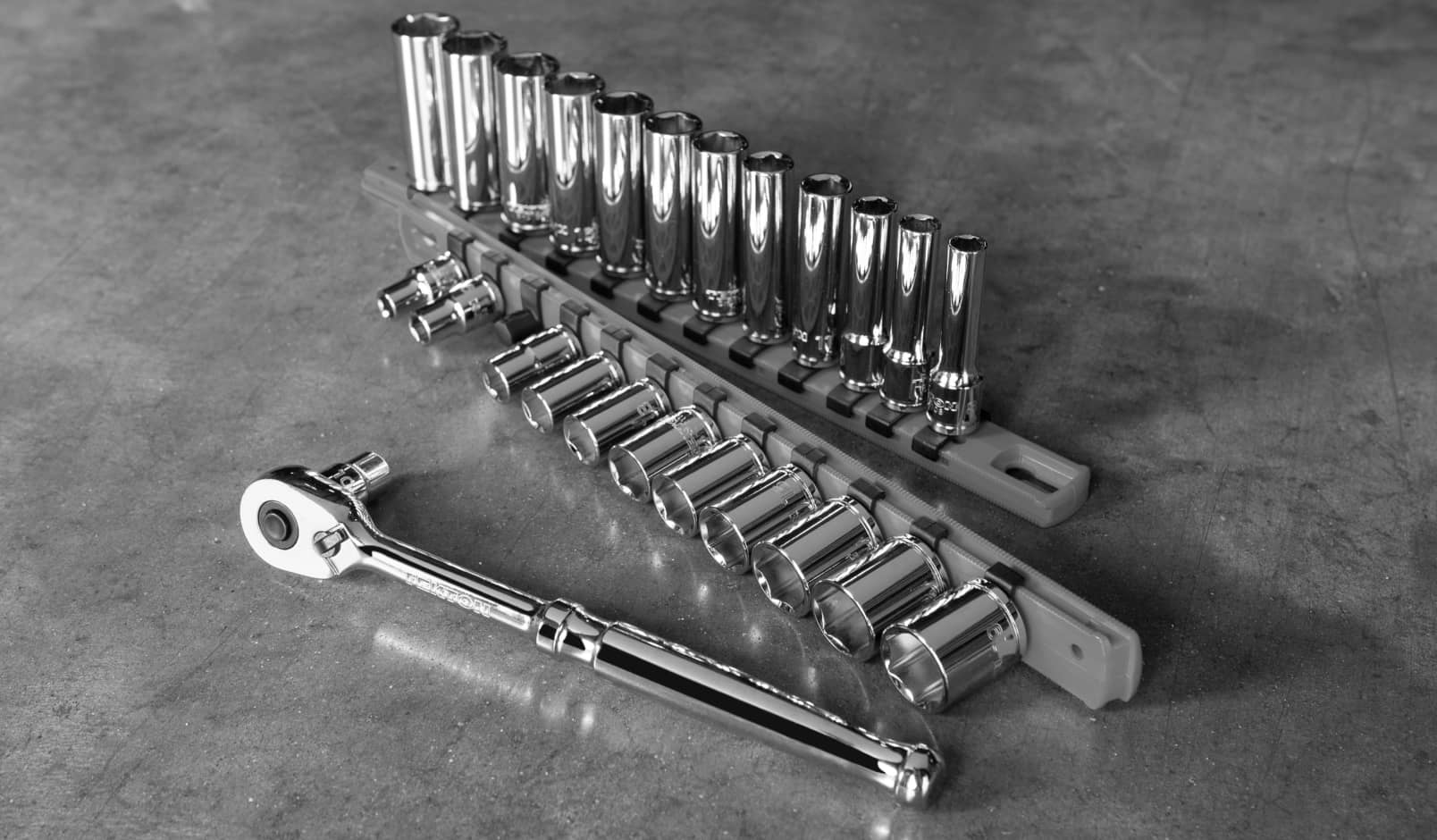
Identify the source of the fluid. Clean the area around the leak to get a clear view. You might need to remove any splash shields or covers under the car to see the transmission. If fluid is all over, wipe it down and then watch for fresh fluid to appear when the car is running. If the transmission pan is leaking and you find the pan bolts are loose, gently tighten them with the correct socket, using a cross pattern. Don’t overtighten. Just snug them to the manufacturer’s torque specs. Similarly, if a drain plug is leaking, ensure it’s tightened properly. Sometimes simply tightening things up can stop a leak. If the drain plug or its crush washer is suspect, you can remove it, then reinstall with a new washer or thread sealant tape if appropriate.
Replace a Worn Transmission Pan Gasket
This is a very common DIY fix. You’ll need a new gasket and possibly a new filter if you’re dropping the pan. To do this:
- Place a large drain pan under the transmission pan. Remove the pan bolts gradually, loosening one side more so the pan tilts and drains fluid from one corner. Expect a lot of fluid to pour out.
- Once the pan is off, clean it thoroughly. Remove any remnants of the old gasket from both the pan and the transmission mating surface. Also, clean or replace the transmission filter as recommended.
- Position the new gasket on the pan.
- Reinstall the pan and hand-tighten all bolts in a crisscross pattern. Then use a torque wrench to tighten each bolt to spec. This ensures an even seal.
If you discovered a leak in a transmission cooling line or hose, it will likely require replacement of that line or the leaky section. For rubber hoses, you can cut out the damaged portion and use a proper transmission hose and clamps to splice, but ideally, replace the whole hose if possible. For cracked or rusted metal lines, you’ll need to replace them. This might involve disconnecting fittings at the transmission and cooler. Always use the correct type of line and double-check the fittings for a tight seal. Some seals, like an output shaft seal on an RWD car, can be replaced without removing the entire transmission.
After any fix, you will have lost some fluid, so you must refill the transmission with the correct type of automatic transmission fluid. Use a funnel to add fluid through the dipstick tube. Add a little at a time and periodically check the transmission fluid level with the dipstick until it’s at the proper mark. Then start the engine and let it idle. Cycle through the gears (P R N D) momentarily to circulate fluid. Check underneath for leaks with the car idling. If it’s dry, lower the car off the jack stands and take a short test drive. After driving, check the fluid level again and inspect for any sign of leakage.
Transmission Fluid Maintenance and Leak Prevention
Once you have addressed any leaks, you’ll want to prevent future issues by keeping your transmission well-maintained. Regular transmission fluid change intervals and proper care go a long way toward avoiding leaks. Transmission fluid, like other oils, breaks down over time. It can become contaminated and lose its protective qualities, which may lead to hardened seals or excessive wear. Heat is the enemy of both fluid and seals. Most automatic transmissions benefit from a fluid service every 30,000 to 60,000 miles, or as specified by your vehicle’s manufacturer. Transmission fluid service typically involves replacing the old fluid with fresh fluid.
Transmission Repair Costs: Leak Fix vs. Rebuild vs. Replacement
One of the key reasons to address a transmission fluid leak promptly is the cost difference between a minor repair and a major transmission overhaul.
- Minor Leak Repair: If you catch a leak early, the transmission repair cost is relatively low. A minor fix transmission leak job is the cheapest end of the spectrum, often well under $300.
- Transmission Rebuild Cost: If a leak has caused internal damage, a rebuild may be necessary. A rebuild involves disassembling the transmission, replacing worn or damaged components, and reassembling it. The transmission rebuild cost generally ranges in the thousands of dollars due to the extensive labor and parts. On average, a rebuild might set you back roughly $2,000 to $4,000, depending on the vehicle and extent of damage. This is a transmission repair cost you definitely want to avoid if possible.
- Transmission Replacement Cost: In the worst case, the transmission is so badly damaged that it needs to be fully replaced. A brand-new transmission from a dealer is rare, and this is the most expensive option. The transmission replacement cost for an automatic transmission can easily run $4,000, $5,000, or more, including labor, and higher-end or heavy-duty vehicles can be on the upper end (even $6,000+). Used or salvaged transmissions might lower the part cost, but you’re still looking at a few thousand dollars overall once installed.
Considering these figures, it’s clear that addressing leaks early is the economical choice. Spending a couple of hundred dollars now to fix a leak is far better than a multi-thousand-dollar bill later because the transmission failed and had to be rebuilt or replaced. Transmission fix cost at the small scale is minor compared to the price of major overhauls.
When to Seek Professional Help
While many basic leaks can be fixed with some elbow grease, it’s important to know when a transmission issue is beyond the scope of DIY. Modern transmissions are extremely complex and heavy components. A transmission repair store has the heavy-duty equipment to handle it.
Consider the value of warranty and peace of mind. Reputable transmission repair shops will offer a warranty on their repairs, which protects you if something isn’t fixed right. For example, Gresham Trans Medic Transmissions in Oregon has specialized technicians who diagnose leaks daily and can perform everything from a simple seal replacement to a full transmission rebuild. By choosing professional service when needed, you ensure the leak is fixed correctly, and your vehicle remains safe and reliable on the road.
Sources
- Jiffy Lube – “Is Your Vehicle Leaking Transmission Fluid? When to Take Action” (Car Fluids Resource Center) jiffylube.com
- Quaker State – “6 Easy Steps on How to Check Your Transmission Fluid” quakerstate.com
Follow a maintenance program
Ante gravida id aenean quis egestas risus nam amet nullam leo diam diam aliquam eu eu malesuada arcu rhoncus suspendisse nulla mattis ut amet sagittis in justo egestas.
search for a trusted mechanic
Lorem ipsum dolor sit amet, consectetur adipiscing elit lobortis arcu enim urna adipiscing praesent velit viverra sit semper lorem eu cursus vel hendrerit elementum morbi curabitur etiam nibh justo, lorem aliquet donec sed sit mi dignissim at ante massa mattis.
- Neque sodales ut etiam sit amet nisl purus non tellus orci ac auctor
- Adipiscing elit ut aliquam purus sit amet viverra suspendisse potent
- Mauris commodo quis imperdiet massa tincidunt nunc pulvinar
- Excepteur sint occaecat cupidatat non proident sunt in culpa qui officia
Check the air pressure in your tires
Vitae congue eu consequat ac felis placerat vestibulum lectus mauris ultrices cursus sit amet dictum sit amet justo donec enim diam porttitor lacus luctus accumsan tortor posuere praesent tristique magna sit amet purus gravida quis blandit turpis.
Review your suspension frequently
At risus viverra adipiscing at in tellus integer feugiat nisl pretium fusce id velit ut tortor sagittis orci a scelerisque purus semper eget at lectus urna duis convallis. porta nibh venenatis cras sed felis eget neque laoreet suspendisse interdum consectetur libero id faucibus nisl donec pretium vulputate sapien nec sagittis aliquam nunc lobortis mattis aliquam faucibus purus in.
- Neque sodales ut etiam sit amet nisl purus non tellus orci ac auctor
- Adipiscing elit ut aliquam purus sit amet viverra suspendisse potent
- Mauris commodo quis imperdiet massa tincidunt nunc pulvinar
- Excepteur sint occaecat cupidatat non proident sunt in culpa qui officia
Service your vehicle as regularly as posible
At risus viverra adipiscing at in tellus integer feugiat nisl pretium fusce id velit ut tortor sagittis orci a scelerisque purus semper eget at lectus urna duis convallis. porta nibh venenatis cras sed felis eget neque laoreet suspendisse interdum consectetur libero id faucibus nisl donec pretium vulputate sapien nec sagittis aliquam nunc lobortis mattis aliquam faucibus purus in.
“Nisi quis eleifend quam adipiscing vitae aliquet bibendum enim facilisis gravida neque velit euismod in pellentesque”
Conclusion
Eget lorem dolor sed viverra ipsum nunc aliquet bibendum felis donec et odio pellentesque diam volutpat commodo sed egestas aliquam sem fringilla ut morbi tincidunt augue interdum velit euismod eu tincidunt tortor aliquam nulla facilisi aenean sed adipiscing diam donec adipiscing ut lectus arcu bibendum at varius vel pharetra nibh venenatis cras sed felis eget.