How To Choose A Transmission Shop You Can Trust
Learn how to choose a trustworthy transmission shop by checking reviews, certifications, written estimates, and warranties. This guide also covers red flags, avoiding upsells, and what to confirm on your final in

Finding a transmission shop you trust is crucial when your vehicle needs gearbox repairs. Transmissions are complex and expensive components, so choosing the right shop can save you money, stress, and ensure your car is repaired correctly. Surveys show that drivers often report higher satisfaction with independent repair shops over dealer service centers. The goal is to choose a reputable transmission repair shop with skilled technicians, fair pricing, and honest practices. This guide will walk you through key steps so you can confidently select a trusted transmission shop for your vehicle.
Research the Shop’s Reputation and Reviews
Start by doing some homework on a shop’s reputation. Ask friends, family, or coworkers if they can recommend a local transmission repair specialist they’ve had positive experiences with. Personal referrals can quickly point you toward shops in your community. Take your search online: perform a quick search for transmission repair in your area and read through customer reviews on sites like Google, Yelp, or Angi. Pay close attention to comments about the quality of work, customer service, and whether the shop stood by its estimates and warranties.
Checking shop reviews for transmission work is one of the best ways to measure trustworthiness. If multiple reviewers praise a shop for honest diagnoses and fair prices, that’s a great sign. Likewise, be wary if you see repeated complaints about upselling or shoddy workmanship. Don’t forget to check the Better Business Bureau (BBB) for the shop’s rating and any complaint history. A strong BBB grade and minimal unresolved issues indicate a business that cares about integrity. Finding a transmission shop you trust often comes down to its reputation in the community, and reputation matters a great deal in the automotive world. A shop that consistently earns high praise and word-of-mouth referrals likely provides the honest, reliable service you need.

Look for Proper Certifications and Experience
Once you have a few candidates, investigate their qualifications. A top priority is finding an ASE-certified shop, meaning it employs technicians certified by the National Institute for Automotive Service Excellence (ASE). Certification isn’t mandatory for mechanics, but it is a strong indicator of training and expertise. When looking for ASE-certified technicians, check whether the shop displays the blue ASE seal or mentions certifications on its website and signage. Mechanics who’ve earned ASE credentials have proven their knowledge through rigorous testing and must recertify every few years.
This gives customers peace of mind. The shop can proudly display the ASE certification seal, signaling that its team meets a national standard of excellence in auto repair. In addition to ASE, see if the shop or its staff have other credentials or specialties. Some shops specialize in certain makes or types of transmissions. If you drive a particular make of car, a shop experienced with that manufacturer can be beneficial.
You might also look for membership in professional networks or community awards that demonstrate a commitment to quality. Longevity matters too. A shop that’s been in business for decades likely has a track record of satisfied customers, keeping it in operation. Certified expertise and experience working on transmissions like yours are key factors in choosing a shop you can trust.
Get Written Quotes and Compare Transmission Shop Estimates Fairly
Before committing to any major repair, always engage in asking for a written repair quote from at least two or three shops. A written estimate details the diagnosis, required parts, and labor costs. This documentation is essential for comparing transmission shop estimates fairly between different providers. When you have quotes in writing, review them closely. Do they all include the same work scope and parts? Be cautious of any quote that is dramatically lower than the others. While everyone loves a good deal, an unusually cheap estimate can be a red flag. It might indicate the shop is planning to cut corners or will surprise you with additional costs later. Affordability is important, but the lowest bid isn’t always the best. An unrealistically low price may mean the mechanic intends to skip some important steps or use subpar parts. Insist that each shop’s quote itemizes the needed repairs and lists the labor hours.
A legitimate shop will provide a written estimate and even request your signature on it before starting work, formalizing what was agreed upon. Make sure you get a copy of the signed estimate for your records. By gathering multiple written estimates, you can make an apples-to-apples comparison and have leverage to ask questions if one shop’s price is much higher or lower. This process not only helps you budget but also tests each shop’s transparency.
Ask About Warranties and Guarantees
Any reputable ASE-certified shop should stand behind its work, so find out what guarantee or transmission warranty the shop offers on repairs. Transmission jobs are major repairs, and a shop confident in its workmanship will usually provide a warranty covering parts and labor for a certain period. Ask for details: Is the warranty nationwide or only at that location? What exactly does it cover? Getting these answers up front is part of verifying warranty coverage on transmission repairs.
Keep in mind that warranties can vary greatly from one shop to another, so it’s wise to inquire about them ahead of time. For example, one shop may offer a 24-month rebuild warranty, while another only offers 90 days. If a shop offers no warranty or only a very short one, that’s a potential red flag signaling they might not have confidence in their repair. In addition to the shop’s own guarantee, also check your vehicle’s warranty status. If your car is relatively new, certain transmission issues might still be covered under a manufacturer’s powertrain warranty or an extended warranty plan. In such cases, you’ll need to ensure the repair shop follows the proper process so that the repairs don’t void your coverage.
A good transmission shop will ask if your repair might be warrantable and even coordinate with warranty providers or dealerships if needed. Choose a shop that clearly explains its warranty policy in writing and honors any existing coverage you have. This shows they’re committed to quality repairs and customer satisfaction over the long term.
Spotting Red Flags at Repair Shops
Choosing a repair shop requires more than comparing prices. Paying attention to how a shop communicates, operates, and presents information can help you avoid costly mistakes. The following warning signs often indicate deeper issues with professionalism, honesty, or workmanship.
- Unclear or Defensive Communication: A major warning sign is a technician who cannot explain the issue in straightforward terms or becomes irritated by questions. Reliable shops prioritize education, clearly describing the problem, the repair process, and expected outcomes without hiding behind confusing technical language.
- Lack of Transparency With Parts and Evidence: Trustworthy shops are willing to show you worn or failed parts and explain why replacement is necessary. If a shop avoids providing visual proof or refuses to discuss removed components, it may signal questionable repair recommendations or unnecessary work.
- Unprofessional Environment: A disorganized workspace, absence of visible certifications, or consistently negative community feedback can reflect deeper operational problems. While no shop is perfect, patterns of complaints or an unprofessional atmosphere often point to unreliable service standards.
Recognizing these red flags empowers you to make confident decisions and protect your investment. If a shop leaves you feeling uncertain or dismissed, it’s reasonable to step away and continue your search for a facility that earns your trust through clarity, respect, and professionalism.
Avoiding Upsells at Transmission Shops
Upselling is the practice of recommending additional services beyond what you came in for. Some upsells are legitimate maintenance items, but others are unnecessary and serve only to pad the bill. To protect yourself, plan on avoiding upsells at transmission shops by staying informed and asking the right questions. First, always consult your vehicle’s owner’s manual or maintenance schedule. If a shop suggests a service that isn’t on the scheduled maintenance list, you should be skeptical. A classic example is the transmission “flush.” Many quick-lube places or general repair shops push transmission fluid flushes or exchanges at frequent intervals. Most modern transmissions only need fluid changes at manufacturer-specified intervals. Does your car need its transmission flushed? Probably not, unless it’s explicitly called for, as flushing a very old transmission that’s never been serviced can sometimes do more harm than good.
If a shop is urging a flush, filter change, or additive treatment that you’re unsure about, ask them to explain the benefits and whether the manufacturer recommends it. A trustworthy technician will differentiate between essential repairs and purely preventive options. They might say, “Your transmission is due for a fluid change based on mileage,” which is reasonable, versus a scare tactic like “If you don’t flush this now, your transmission could fail,” which may be high-pressure sales.
Another upsell scenario is being told that multiple related components must be replaced along with the main repair, without justification. It’s not that ancillary repairs are never needed, but a good shop will justify why. Avoiding upsells is easier if you stay calm and don’t authorize additional work on the spot. You can always say, “I’ll hold off for now,” or “I’d like to verify if that’s necessary.” A reliable shop won’t bully you for that. They’ll respect your decision and maybe even provide evidence. You’re in control of what services to accept. By being informed and assertive, you can prevent unnecessary extras and ensure the focus stays on fixing the issue you came in for.
Review the Work and Read the Invoice
Your diligence shouldn’t end when the repair is done. Reading invoices after transmission service makes sure everything is in order. Reputable shops provide a detailed invoice that itemizes all parts replaced, all labor performed, and any additional fees or taxes. Go line by line through the bill and confirm it matches the written estimate you approved. Small differences can occur, but there should be no big surprises.
Question anything you don’t recognize or understand on the invoice. A trustworthy shop will gladly explain each charge. Verify that you were charged the agreed-upon rate for labor hours and that any parts listed were indeed replaced. It’s here that having requested your old parts back becomes useful. Another crucial thing to look for is the warranty documentation. The invoice should clearly state any warranty provided on the repair, including duration and coverage. In some states, consumer protection laws require repair invoices to note any warranties.
If you discussed a transmission warranty with the shop, make sure it’s printed on your final paperwork. This will be essential if something goes wrong later and you need to claim that warranty service. After reviewing, keep the invoice and all related documents in your records. Having proof of the repair and its warranty will be valuable for your own reference, for maintaining your vehicle’s resale value, and for any future mechanic who might service the car.

It’s also a good idea to take the car on a test drive before fully signing off on the work. Does the transmission now shift smoothly and operate without the original issue? If you notice anything off, report it immediately so it can be addressed under the work order. By carefully reading and understanding your invoice, you close the loop on the repair with confidence that you received exactly what you paid for, with no loose ends.
Choosing the right transmission shop isn’t something to rush. It may take a bit of time to research and visit a few places, but that investment is well worth avoiding future problems. By checking reviews and credentials, obtaining written quotes, and watching out for red flags, you greatly improve your chances of picking a reliable partner to care for your vehicle’s transmission. There are plenty of trustworthy transmission specialists out there. A local transmission repair business like Trans Medic Transmissions has built its name on expertise and integrity within the community. In the end, you want to feel peace of mind when handing over your keys. By following these steps, you can confidently choose a transmission shop you trust. One that will get you back on the road safely, stand by their work, and treat you with the fairness every customer deserves.
Sources
- Hanover Insurance Group – “Tips to choose the right auto repair shop.” (Prepare Now, Learn How series) – Tips on seeking recommendations, checking reviews, comparing estimates, and verifying warranty coverage.
- NYADI College of Transportation Technology – “What ASE Certification Is and Why It Is Important” (Aug 13, 2024). Explanation of ASE certification and its benefits, noting that displaying the ASE seal gives customers peace of mind about a shop’s work quality.
- Fox News (Consumer Reports) – “How to find a great car mechanic” (Jeff Bartlett, Oct 2016). Consumer Reports’ advice on choosing repair shops, including asking about repair guarantees since warranties can vary greatly.
- Haynes Manuals – “Common Auto Repair Upsells and Scams.” Guide discussing common upsell services (e.g., fluid flushes) and advising drivers to follow manufacturer maintenance intervals – e.g., unnecessary transmission “flushes” can sometimes do more harm than good.
- Illinois Attorney General – Automotive Repair Act – Consumer’s Rights Under the Law. Summary of consumer rights, requiring written estimates and invoices that itemize parts/labor and list any warranties provided.
Follow a maintenance program
Ante gravida id aenean quis egestas risus nam amet nullam leo diam diam aliquam eu eu malesuada arcu rhoncus suspendisse nulla mattis ut amet sagittis in justo egestas.
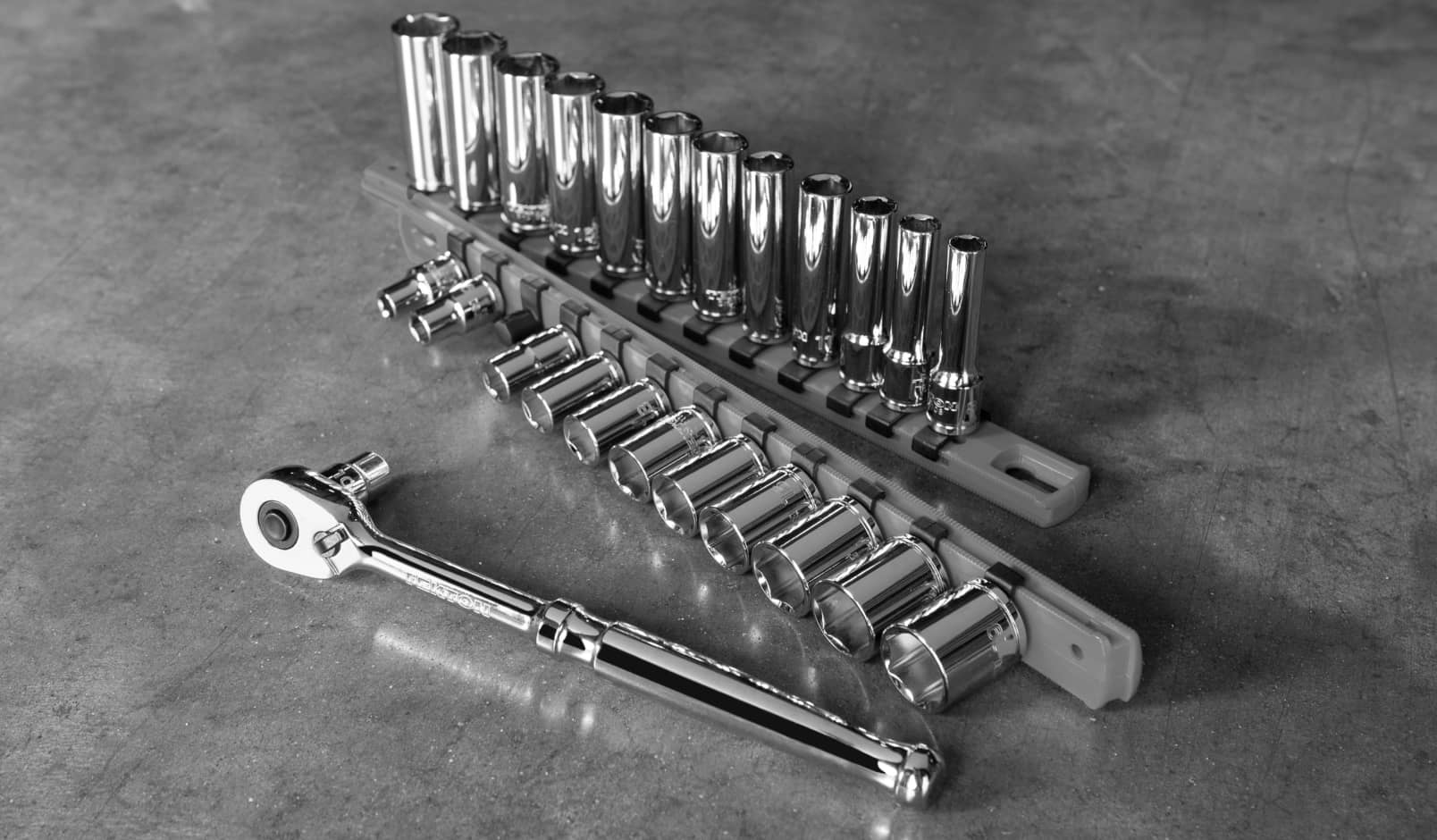
search for a trusted mechanic
Lorem ipsum dolor sit amet, consectetur adipiscing elit lobortis arcu enim urna adipiscing praesent velit viverra sit semper lorem eu cursus vel hendrerit elementum morbi curabitur etiam nibh justo, lorem aliquet donec sed sit mi dignissim at ante massa mattis.
- Neque sodales ut etiam sit amet nisl purus non tellus orci ac auctor
- Adipiscing elit ut aliquam purus sit amet viverra suspendisse potent
- Mauris commodo quis imperdiet massa tincidunt nunc pulvinar
- Excepteur sint occaecat cupidatat non proident sunt in culpa qui officia
Check the air pressure in your tires
Vitae congue eu consequat ac felis placerat vestibulum lectus mauris ultrices cursus sit amet dictum sit amet justo donec enim diam porttitor lacus luctus accumsan tortor posuere praesent tristique magna sit amet purus gravida quis blandit turpis.
Review your suspension frequently
At risus viverra adipiscing at in tellus integer feugiat nisl pretium fusce id velit ut tortor sagittis orci a scelerisque purus semper eget at lectus urna duis convallis. porta nibh venenatis cras sed felis eget neque laoreet suspendisse interdum consectetur libero id faucibus nisl donec pretium vulputate sapien nec sagittis aliquam nunc lobortis mattis aliquam faucibus purus in.
- Neque sodales ut etiam sit amet nisl purus non tellus orci ac auctor
- Adipiscing elit ut aliquam purus sit amet viverra suspendisse potent
- Mauris commodo quis imperdiet massa tincidunt nunc pulvinar
- Excepteur sint occaecat cupidatat non proident sunt in culpa qui officia
Service your vehicle as regularly as posible
At risus viverra adipiscing at in tellus integer feugiat nisl pretium fusce id velit ut tortor sagittis orci a scelerisque purus semper eget at lectus urna duis convallis. porta nibh venenatis cras sed felis eget neque laoreet suspendisse interdum consectetur libero id faucibus nisl donec pretium vulputate sapien nec sagittis aliquam nunc lobortis mattis aliquam faucibus purus in.
“Nisi quis eleifend quam adipiscing vitae aliquet bibendum enim facilisis gravida neque velit euismod in pellentesque”
Conclusion
Eget lorem dolor sed viverra ipsum nunc aliquet bibendum felis donec et odio pellentesque diam volutpat commodo sed egestas aliquam sem fringilla ut morbi tincidunt augue interdum velit euismod eu tincidunt tortor aliquam nulla facilisi aenean sed adipiscing diam donec adipiscing ut lectus arcu bibendum at varius vel pharetra nibh venenatis cras sed felis eget.