The Mechanics of Dual-Clutch Transmissions: How They Operate
Dual-clutch transmissions (DCTs) use two clutches for odd/even gears, enabling near-instant shifts that boost acceleration, fuel economy, and deliver smooth performance in modern vehicles.
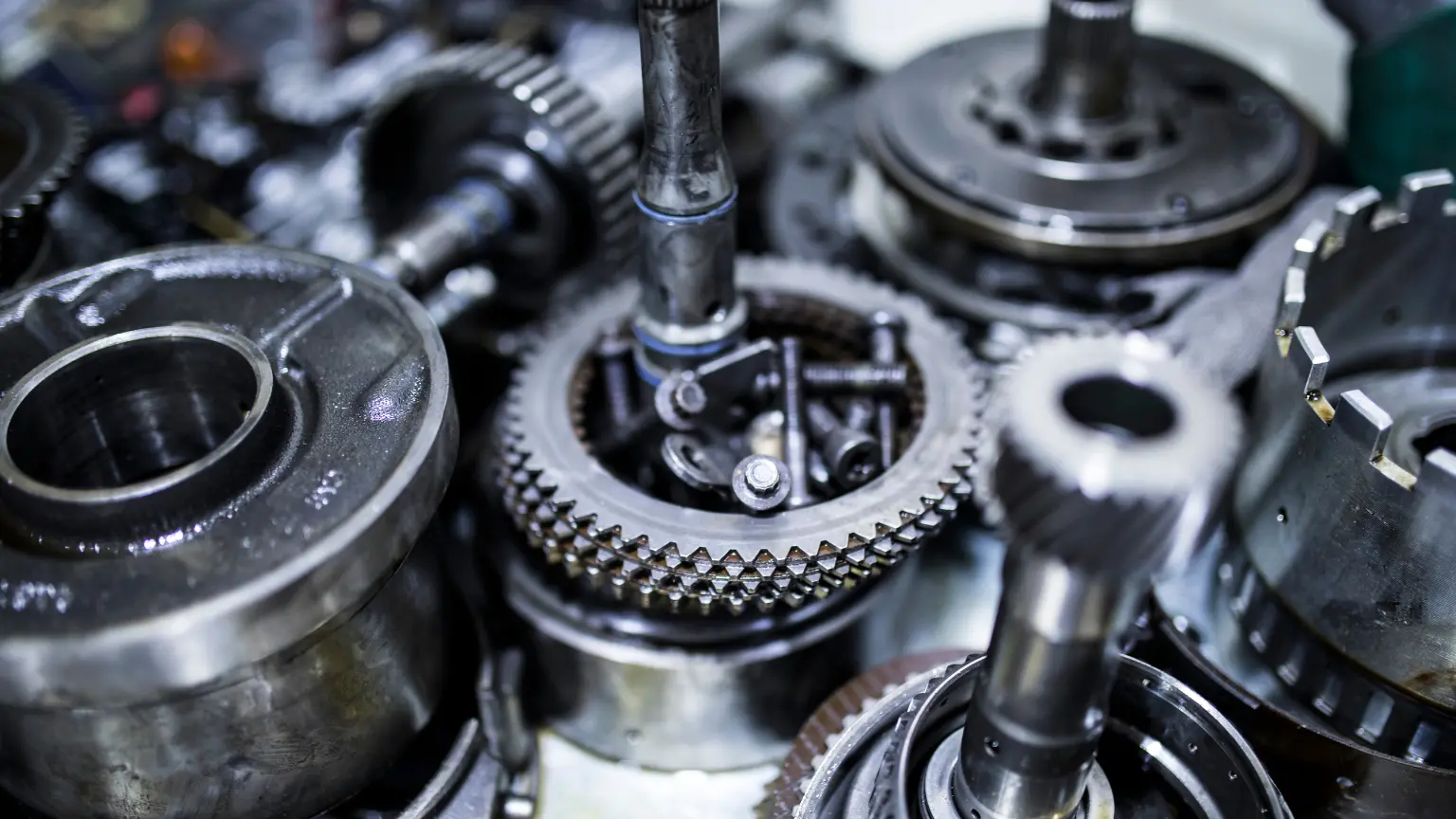
Dual-clutch transmissions (DCTs) represent a significant evolution in automotive technology, combining elements of both manual and automatic transmission systems for enhanced performance. Unlike traditional automatics, DCTs employ two separate clutches for odd- and even-gear sets, allowing for faster, smoother gear changes without the power loss typically associated with automatic transmissions. This design not only improves the vehicle's acceleration but also enhances fuel efficiency, making DCTs a popular choice among modern vehicles that aim for both performance and economy.
Historical Development and Applications
One must learn the origins, evolution, and various applications of dual-clutch transmissions across different vehicle types and industries. The story of dual-clutch transmissions (DCTs) is a testament to the ongoing quest for efficiency and performance in vehicle engineering, with roots extending back to the early 20th century. The original concept is attributed to French engineer Adolphe Kégresse, who in 1939 envisioned a transmission system that could enable faster, smoother gear changes by utilizing two separate clutches. However, early efforts to bring this idea to life were hampered by the limitations of contemporary technology, particularly in the areas of electronics and control systems. It wasn’t until the late 1950s and early 1960s that the first practical applications began to emerge, such as the Easidrive unit developed by Smiths Industries and Rootes, which appeared in the Hillman Minx. Despite these early forays, reliability issues and the complexity of the systems prevented widespread adoption at that time.

The real turning point for DCTs came in motorsports during the 1980s, when manufacturers sought ways to maximize performance by minimizing power loss and delays associated with traditional gear changes. Porsche, in particular, played a pioneering role by developing and refining the Doppelkupplungsgetriebe (PDK) system for use in their racing cars, including the Porsche 956 and later the 962 C. The advantages of near-seamless shifting and uninterrupted power delivery proved invaluable in competitive racing, setting the stage for further technological advancements. However, the size and cost of the necessary electronic control modules kept DCTs confined to high-performance and experimental vehicles until the early 2000s.
A major milestone was reached in 2003 when the Volkswagen Golf R32 became the first mass-produced road car to feature a DCT, marking a shift from niche to mainstream application. This breakthrough was made possible by advances in electronics miniaturization and manufacturing techniques, enabling the integration of complex control systems into everyday vehicles. Since then, DCTs have rapidly expanded beyond sports cars and luxury vehicles.
The adaptability of DCT technology has also led to its adoption in diverse industrial sectors. For instance, in agriculture, DCTs are used in tractors to facilitate seamless gear changes under varying load conditions, enhancing productivity. In commercial trucking, the technology supports efficient power transfer and fuel savings on long-haul routes. Even in rail transport, certain types of railcars have employed dual-clutch systems to manage power delivery and improve operational efficiency. This wide applicability underscores the versatility of DCTs, which continue to evolve to meet the demands of modern mobility and industry. As automotive and industrial technology progresses, the role of dual-clutch transmissions is likely to expand further, cementing their status as a key innovation in the history of vehicle engineering.
How Dual-Clutch Transmissions Operate
How dual-clutch transmissions function, including gear-shifting and the underlying mechanical principles.
The Purpose and Function of Dual Clutches
In dual-clutch transmissions, the core functionality revolves around the two separate clutches, each dedicated to a specific set of gears. The first clutch controls the odd gears (first, third, fifth, etc.), while the second clutch manages the even gears (second, fourth, sixth, etc.). This division allows the DCT system to operate with an efficiency that traditional single-clutch automatic transmission models cannot match. By engaging and disengaging these clutches rapidly, the transmission can switch gears within milliseconds. This swift action minimizes torque and power loss typically experienced during gear shifts in conventional systems, enhancing the vehicle's performance and the driver's control.
The Critical Role of Lubrication
Lubrication is essential for the efficient operation and long-term durability of dual-clutch transmissions (DCTs). Specialized transmission fluids are formulated to withstand the high temperatures and intense friction generated during rapid gear changes. These lubricants minimize wear on gears, clutches, and synchronizers by forming a protective film that reduces metal-to-metal contact. Proper lubrication also ensures smooth engagement and disengagement of clutch plates, helping to prevent overheating and component failure. Without adequate lubrication, DCTs are prone to increased friction, excessive heat, and accelerated wear, all of which can lead to costly repairs and reduced transmission lifespan.
Gear Preselection for Smooth Shifting
One of the standout features of a DCT is its ability to 'preselect' gears. This process involves preparing the next gear in the sequence to be ready before it is actually engaged. For instance, if a vehicle is moving in third gear, the fourth gear is already selected in the other gearbox but remains disengaged. When it's time to shift, the transition is simply a matter of switching clutches, which is much faster than the gear selection process in other transmissions. This method not only provides a smoother ride but also contributes to the quick response times that drivers appreciate in sports and high-performance vehicles, where rapid acceleration and deceleration are frequently required.
Role of Dual Input Shafts in Gear Alternation
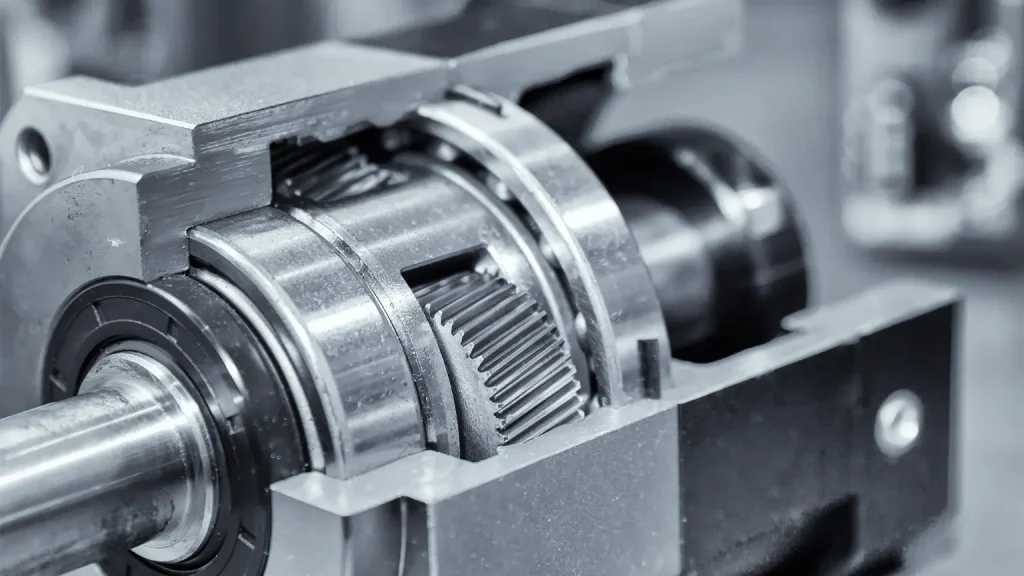
The dual input shafts in a DCT are pivotal in its operation. These shafts are aligned concentrically or side by side and are each connected to one of the transmission's clutches. This setup allows gears to be engaged on one shaft while the other prepares the next gear for activation. Such an arrangement is crucial for the seamless transfer of power from the engine to the wheels without the interruptions typical of single-shaft transmissions. The inherent efficiency of this design helps minimize wear and tear on the transmission, thereby extending the lifespan of the vehicle's drivetrain components.
How Hydraulic Actuators Manage Gear Shifts
Hydraulic actuators play a critical role in managing gear shifts within a DCT. These actuators receive signals from the transmission's electronic control unit, instructing them on when and how to engage or disengage the clutches. The precision of hydraulic actuators is key to achieving the rapid shifts that DCTs are known for. They adjust the pressure applied to each clutch according to real-time driving conditions, ensuring that each gear shift is both smooth and timely. This level of control is part of what makes DCTs preferred in scenarios where driver experience and vehicle responsiveness are paramount, such as in racing or high-performance road driving.
Design and Key Components
The fundamental design and main components of dual-clutch transmissions, and how these elements contribute to their operation.
Role of Electronic Control Units (ECUs) in DCT Operation
The Electronic Control Unit (ECU) plays a pivotal role in the functioning of dual-clutch transmissions, serving as the central hub that manages and optimizes the entire transmission system. It is instrumental in ensuring that the complex mechanics of DCTs operate with the precision required for modern driving demands. Here’s a look at how ECUs contribute to the efficiency and effectiveness of dual-clutch transmission operations:
- Sensor Integration: The ECU continuously receives data from various sensors located throughout the vehicle, such as those measuring engine speed, vehicle speed, and throttle position. This integration allows the ECU to have a comprehensive understanding of the vehicle's current operating conditions.
- Optimal Gear Shift Timing: Utilizing the data from these sensors, the ECU calculates the best moments to initiate gear shifts. By determining the optimal timing for these shifts, the ECU helps maximize the transmission’s efficiency and responsiveness.
- Control of Hydraulic Actuators: The ECU directs the transmission’s hydraulic actuators to engage and disengage the clutches and select gears. This control is executed with precision, ensuring that gear changes are both swift and smooth.
- Adaptive Performance: The ECU’s ability to process and react to real-time vehicle data means that it can adapt the transmission's operation to suit different driving styles and conditions. Whether cruising on a highway or navigating city traffic, the ECU adjusts the DCT settings for optimal performance.
- Enhancement of Driving Experience: By managing the various aspects of the transmission’s operation so effectively, the ECU plays a critical role in enhancing the overall driving experience. It ensures that the vehicle not only performs efficiently but also delivers power smoothly and consistently.
The sophistication of the ECU in managing these tasks is crucial for modern dual-clutch transmission-equipped vehicles. It not only ensures top-notch performance but also helps maintain the transmission system's health, reducing the need for frequent visits to an emergency transmission repair shop. As automotive technology continues to advance, the role of the ECU in DCT operations remains central, underscoring its importance in delivering both performance and driving pleasure.
Importance of Synchronizers in Smooth Shifting
Synchronizers are key components in DCTs that enable smooth gear shifts without the driver noticing any interruption in power. These components help align the speeds of the gears and shafts before the gears engage, preventing grinding. The synchronizers adjust the speed of the gear wheels using friction to match that of the rotating input shaft before fully engaging the gear. This mechanism is vital for reducing wear and tear on the gears, extending the life of the transmission components, and reducing the likelihood of needing affordable transmission repair service.
Leading Manufacturers and Industry Adoption of Dual-Clutch Transmissions
A variety of manufacturers play a crucial role in the global production and integration of DCTs, with their prevalence extending from high-performance sports cars to mainstream vehicles, motorcycles, and even industrial applications. Below is a structured overview of key players and trends shaping the manufacturing and industry usage of dual-clutch transmissions.
- BorgWarner: Today, BorgWarner continues to provide complete transmission units, wet-clutches, and mechatronic modules to a range of global automakers, including Volkswagen Group and Nissan. Their expertise has helped DCTs become standard in many performance-oriented and mainstream vehicles, solidifying BorgWarner's reputation as a leader in the field.
- Getrag: Getrag began large-scale DCT production in 2008 and has since become a major supplier for brands such as BMW, Mercedes-Benz, Ford, Ferrari, and Volvo. Their advanced 7-speed and 8-speed DCTs are especially prevalent in sports cars and luxury vehicles where rapid, seamless shifting is essential. Getrag’s reach across both high-performance and everyday vehicles highlights the versatility and growing demand for DCT technology in the automotive sector.
- ZF Friedrichshafen, Tremec, and HYUNDAI TRANSYS: ZF Friedrichshafen supplies the renowned 7-speed DCT for Porsche’s PDK system, while Tremec provides DCTs for American icons like the Chevrolet Corvette C8 and Ford Mustang Shelby GT500. HYUNDAI TRANSYS manufactures both dry and wet DCTs for Hyundai and Kia, demonstrating the technology’s expansion into mainstream passenger vehicles. These manufacturers exemplify how DCT production is not limited to one region or vehicle type, but spans a diverse array of automotive markets.
- Honda and Broader Industry Applications: Honda stands out for pioneering DCT use in motorcycles, such as the VFR1200F and Gold Wing, and has also equipped select Acura models with DCTs. Beyond passenger vehicles, dual-clutch transmissions are increasingly found in trucks, agricultural tractors, and even railcars. This broadening adoption underscores the versatility of DCT technology and its growing importance in both consumer and industrial transportation sectors.
The collaborative efforts of these manufacturers have driven the rapid evolution and widespread adoption of dual-clutch transmissions. As DCT technology continues to advance, its prevalence across diverse vehicle categories and industries is likely to increase, further shaping the future of automotive and industrial mobility.
Advantages of Dual-Clutch Transmissions
Enhanced Fuel Efficiency and Performance
Dual-clutch transmissions are renowned for significantly improving fuel efficiency. This efficiency stems from the DCT's ability to switch gears quickly and seamlessly, which minimizes the loss of power that typically occurs during gear changes in traditional transmissions. The swift gear transitions allow the engine to operate closer to its ideal speed, reducing unnecessary fuel consumption. Furthermore, the high efficiency of dual-clutch systems translates into improved vehicle performance. Cars with DCTs can accelerate faster than those with standard transmissions because of reduced delays in power transfer and the ability to maintain momentum through shifts.
Reduced Wear on Engine and Transmission Components
Another significant benefit of using a DCT is the reduced wear on engine and transmission components. Traditional transmissions, particularly automatics, can exert more strain on the engine during gear changes, leading to quicker wear and tear. In contrast, DCTs maintain more consistent torque and power delivery during shifts, which reduces stress on the engine and transmission system. This consistent handling of power not only prolongs the life of the engine and transmission components but also helps in lowering maintenance costs over the vehicle's lifespan, making it a more economical choice in the long run.
Improved Driver Experience and Control
The quick shifts and immediate response to driver inputs give a sense of direct control and connection with the car, akin to what is experienced with manual transmissions. Yet, it also retains the comfort and ease of use typical of an automatic transmission. This combination of control and convenience makes DCTs particularly attractive to those who enjoy a dynamic driving experience but prefer not to manage a manual clutch.
Transmission Repair and Service for Dual-Clutch Systems
Importance of Certified Technicians for DCT Repair
Dual-clutch transmissions are complex and require specialized care that only certified transmission repair technicians can provide effectively. These technicians have undergone specific training focused on the advanced mechanics of DCTs, including their sensitive electronic systems and dual-clutch setups. The certification ensures they have the skills to utilize diagnostic tools properly and understand the nuances of DCT behavior under various conditions. Their expertise is crucial not only for making precise adjustments but also for ensuring that the repairs extend the lifespan and retain the efficiency of the transmission.
Common Signs of DCT Problems
Recognizing the early signs of potential issues in dual-clutch transmissions (DCTs) is crucial for vehicle owners to prevent costly and extensive repairs. These transmissions, while efficient, can exhibit specific symptoms indicating malfunctions, which, if caught early, can save time and money in maintenance. Here are some key indicators that there might be a problem with a DCT:
- Grinding Noises During Shifts: This sound typically suggests there could be a misalignment or wear within the clutch mechanism, requiring immediate attention.
- Vehicle Stuttering or Jerking: If the car stutters or jerks during acceleration, it often points to issues with how the clutches engage or disengage.
- Unexpected Gear Slips: This can occur when the vehicle unexpectedly shifts gears or slips into neutral, hinting at problems within the transmission’s electronic control system.
- Delayed Shifting: Slow response times when changing gears may indicate hydraulic system issues, impacting the transmission's efficiency.
- Erratic Transmission Behavior: Any irregular behavior, such as sudden jerks or unexplained revving, should be investigated, as it may signal broader DCT control issues.
These symptoms, if observed, should prompt a visit to a trusted transmission shop where a certified technician can conduct a thorough assessment and address any issues. Early diagnosis and intervention are key to maintaining the performance and longevity of dual-clutch transmissions.
Typical Costs for Dual-Clutch Transmission Repair
Repairing a dual-clutch transmission can be costly, with expenses varying significantly based on the specific service needed and the vehicle model. Dual-clutch transmission service cost tends to be higher than that for more traditional transmissions due to the specialized nature of the technology and labor involved. Simple software updates may be on the lower end of the cost spectrum, while more severe problems requiring component replacements, such as clutches or the gearbox itself, can be quite expensive. Vehicle owners should seek detailed diagnostics from trusted professionals to get clear cost estimates before proceeding with any repairs.

What to Expect in a DCT Inspection Process
A thorough DCT inspection by an automatic transmission repair shop typically includes several key steps to ensure the system functions correctly. The process starts with diagnostic tests to read and interpret the electronic control unit's (ECU) fault codes, which can reveal a range of issues from minor sensor faults to major operational glitches. This is supplemented by a physical examination of the transmission's internal components, like clutches, gears, and hydraulic actuators, for any signs of undue wear or damage. Fluid checks are also critical, as the quality and level of hydraulic fluid can significantly impact the transmission's performance. Finally, a test drive might be conducted to observe the real-time operation of the transmission, allowing technicians to assess its responsiveness and smoothness during gear shifts. Understanding the benefits and potential drawbacks of dual-clutch transmissions includes performance improvements and operational issues.
Regular maintenance checks are crucial. These should include fluid inspections to ensure that hydraulic fluids are at the correct levels and have not degraded, as well as software updates to keep the transmission's electronic controls in prime condition. Schedule your DCT diagnostic or repair with the certified specialists at Trans Medic Transmissions to keep your transmission running at peak performance. Additionally, periodic inspections by certified professionals at a certified transmission repair technician facility can catch issues before they escalate into costly repairs.
Follow a maintenance program
Ante gravida id aenean quis egestas risus nam amet nullam leo diam diam aliquam eu eu malesuada arcu rhoncus suspendisse nulla mattis ut amet sagittis in justo egestas.
search for a trusted mechanic
Lorem ipsum dolor sit amet, consectetur adipiscing elit lobortis arcu enim urna adipiscing praesent velit viverra sit semper lorem eu cursus vel hendrerit elementum morbi curabitur etiam nibh justo, lorem aliquet donec sed sit mi dignissim at ante massa mattis.
- Neque sodales ut etiam sit amet nisl purus non tellus orci ac auctor
- Adipiscing elit ut aliquam purus sit amet viverra suspendisse potent
- Mauris commodo quis imperdiet massa tincidunt nunc pulvinar
- Excepteur sint occaecat cupidatat non proident sunt in culpa qui officia
Check the air pressure in your tires
Vitae congue eu consequat ac felis placerat vestibulum lectus mauris ultrices cursus sit amet dictum sit amet justo donec enim diam porttitor lacus luctus accumsan tortor posuere praesent tristique magna sit amet purus gravida quis blandit turpis.
Review your suspension frequently
At risus viverra adipiscing at in tellus integer feugiat nisl pretium fusce id velit ut tortor sagittis orci a scelerisque purus semper eget at lectus urna duis convallis. porta nibh venenatis cras sed felis eget neque laoreet suspendisse interdum consectetur libero id faucibus nisl donec pretium vulputate sapien nec sagittis aliquam nunc lobortis mattis aliquam faucibus purus in.
- Neque sodales ut etiam sit amet nisl purus non tellus orci ac auctor
- Adipiscing elit ut aliquam purus sit amet viverra suspendisse potent
- Mauris commodo quis imperdiet massa tincidunt nunc pulvinar
- Excepteur sint occaecat cupidatat non proident sunt in culpa qui officia
Service your vehicle as regularly as posible
At risus viverra adipiscing at in tellus integer feugiat nisl pretium fusce id velit ut tortor sagittis orci a scelerisque purus semper eget at lectus urna duis convallis. porta nibh venenatis cras sed felis eget neque laoreet suspendisse interdum consectetur libero id faucibus nisl donec pretium vulputate sapien nec sagittis aliquam nunc lobortis mattis aliquam faucibus purus in.
“Nisi quis eleifend quam adipiscing vitae aliquet bibendum enim facilisis gravida neque velit euismod in pellentesque”
Conclusion
Eget lorem dolor sed viverra ipsum nunc aliquet bibendum felis donec et odio pellentesque diam volutpat commodo sed egestas aliquam sem fringilla ut morbi tincidunt augue interdum velit euismod eu tincidunt tortor aliquam nulla facilisi aenean sed adipiscing diam donec adipiscing ut lectus arcu bibendum at varius vel pharetra nibh venenatis cras sed felis eget.