Transmission Slipping Warning Signs Every Driver Should Know
Learn what transmission slipping is, why it happens, and the warning signs to watch for. This guide explains common causes, safety risks, repair options, and when to seek professional help.
Every driver dreads car trouble, and transmission problems in cars are among the most concerning. Your vehicle’s transmission is responsible for transferring engine power to the wheels, and if it starts slipping, it’s more than just a minor hiccup. A slipping transmission is a sign of potential internal damage that can leave you stranded or faced with costly repairs. That’s why it’s crucial to catch any early signs of transmission problems before they escalate. In this article, we’ll explain what transmission slipping is, the common causes, the warning signs to watch for, and what you should do if it happens.
What Is Transmission Slipping?
This refers to a condition in which the car’s transmission fails to remain engaged in the proper gear or slips unexpectedly in and out of gear. It often feels like the engine is revving but not translating that power to movement. For example, you might press the accelerator and see the RPM gauge climb, yet the car hesitates or accelerates very slowly. Transmission slipping while driving occurs when your vehicle unexpectedly shifts gears without regard to your speed, causing delayed acceleration or unusual noises. In an automatic car, you may notice the transmission “hunting” between gears or dropping into neutral on its own. In a manual car, this can happen if the clutch is worn out and not fully engaging.
When a transmission slips, you may experience a lack of power to the wheels, making the car feel unresponsive or sluggish. It can feel as if the car is struggling to move despite the engine running high. You might also hear the engine roar louder than usual without the expected increase in speed. These slipping transmission symptoms are a clear indication that the transmission isn’t maintaining the necessary friction or hydraulic pressure to stay in gear. The transmission “lets go” of the gear it should be in, and your car loses drive until it manages to catch a gear again. Not only does this affect performance, but it can also be dangerous if it happens in traffic or while climbing hills.
Both automatic and manual transmissions can slip, but the causes differ slightly. In automatics, slipping is often due to internal wear, fluid problems, or electronic malfunctions. In manuals, slipping usually points to a worn-out clutch. Either way, the outcome is similar. The engine’s power isn’t reliably reaching the wheels. Now that we know what transmission slipping means in real terms, let’s look at why it happens.
Common Causes of a Slipping Transmission
There are several causes of slipping transmission issues, and understanding them can help you address the problem effectively. The root cause boils down to either a lack of adequate transmission fluid pressure or worn/damaged components inside the transmission. Here are the most common causes:
- Low or Degraded Transmission Fluid: Low, burned, or contaminated fluid is perhaps the number one culprit behind transmission slipping. The transmission fluid provides the hydraulic pressure needed to engage gears and also lubricates and cools the moving parts. If the fluid level drops or if the fluid is old and dirty, it can’t do its job properly. The result is often poor pressure and overheating, which leads to gear slippage. In fact, low or dirty fluid is often the most common culprit because fluid that can’t properly lubricate and cool will cause the transmission to slip. Drivers should check the transmission dipstick regularly. The fluid should be a bright red or pinkish color and not smell burnt. If you notice dark, brownish fluid or a burnt odor, it’s a sign the fluid is past its prime or the transmission has been overheating.
- Worn Clutch or Bands (Automatic Transmissions): Inside an automatic transmission, a series of clutch packs and steel bands are used to engage and hold different gears. Over time and use, these automatic transmission issues can emerge as the friction material on the clutches or the bands wears out. When they wear down too much, they may start to slip instead of firmly engaging the gears. This results in the engine revving without proportional acceleration. Similarly, in a manual transmission, a car gearbox repair for a slipping clutch often involves replacing a worn-out clutch disc.
- Solenoid or Hydraulic Pressure Problems: Modern automatics use electronic solenoids to control fluid flow and gear changes. If a solenoid fails or gets stuck, it might not direct fluid to the right place at the right time, causing the transmission to slip or shift erratically. Likewise, issues with the transmission’s pump or valve body can lead to pressure loss. With insufficient pressure, gears can slip. Electronic faults or sensor issues that misregulate pressure can also fall under transmission problems in cars that lead to slipping.
- Worn or Damaged Gears and Internal Parts: Just like any mechanical system, transmissions undergo wear and tear. If gear teeth are worn or other internal components are damaged, the transmission may slip out of gear. This kind of internal wear is more likely if maintenance has been poor or simply after extremely high mileage. Additionally, a faulty torque converter in an automatic can cause symptoms similar to slipping if its internal fins or lockup mechanism fail.
- Overheating: Heat is the enemy of transmissions. Heavy towing, stop-and-go driving in hot weather, or a failing cooling system can overheat the transmission fluid. Overheated fluid thins out and loses effectiveness, and extreme heat can cause internal parts to warp or seals to harden and leak. An overheated transmission often starts slipping because the fluid can’t build enough pressure. Preventing overheating by not overworking the vehicle and keeping the cooling system in good shape can help avoid slip caused by heat.
Most often, the immediate trigger for slipping is a fluid issue or worn friction material. For example, if you find transmission fluid under your car, that indicates a leak. Losing fluid will soon lead to slipping gears.
Warning Signs of a Slipping Transmission
How can you tell if your transmission is slipping? Fortunately, transmissions usually give some clear signals when they’re in trouble. Being aware of these signs of transmission slipping will help you catch the problem early.
- Delayed or Hesitant Engagement: One early warning sign is a delay when you shift into Drive or Reverse. You move the shifter from Park into Drive, but the car doesn’t move forward immediately. Instead, it revs for a moment as if in neutral, then “catches” and lurches into gear. This delay, often a few seconds, means the transmission is struggling to engage. You might also experience this hesitation between gear shifts while driving. If your car hesitates or the transmission slips before engaging, that’s a red flag.
- Engine Revs High Without Accelerating (Loss of Power): If you press the gas and see the engine RPM climb rapidly, but the car isn’t picking up speed accordingly, the transmission could be slipping. It feels like the power is not making it to the wheels. The car may creep slowly or not respond while the engine races. You might especially notice this when going up a hill or trying to accelerate to pass another vehicle. The car may even start to move, then slip and momentarily lose drive, causing a surge in engine revs. This “revving with no result” sensation is a classic symptom of a bad transmission slip.
- Sudden Gear Changes or Slipping Out of Gear: Another alarming sign is when the transmission unexpectedly shifts gears without input or falls out of gear entirely. You could be cruising along, and the car suddenly downshifts or even pops into neutral on its own. This unauthorized gear change is dangerous because it can happen at high speeds, leading to loss of acceleration or engine braking. If the transmission slips gears while driving, such as suddenly dropping into neutral, it definitely needs attention. In a manual transmission, this might manifest as the gearbox popping out of gear by itself. In an automatic, you might feel a sudden jolt or change in engine tone as it slips in and out of gear.
- Rough or Hard Shifting: A healthy transmission should shift smoothly. If you feel jolts, shuddering, or harsh thuds during gear changes, something’s not right. Sometimes a slipping transmission will grab suddenly after a delay, resulting in a very hard shift. You might also experience jerking or shuddering when the car finally shifts. Rough shifts can accompany slipping because the transmission is struggling to transition between gears.
- Burning Smell: An overheating transmission often emits a noticeable burnt, acrid odor – usually the smell of burnt ATF (Automatic Transmission Fluid). If you catch a whiff of something like burnt rubber or a chemical smell while driving, and especially if it coincides with any of the performance issues above, pull over and check your transmission fluid. A transmission leaking fluid onto hot exhaust parts could also cause a burning smell. But typically, a burning odor means the transmission fluid itself is overheating and burning, which often goes hand-in-hand with slipping. This smell is a serious warning sign. By the time you smell it, damage may be occurring.
- Unusual Noises: Transmissions in trouble often start making new noises. Listen for whining, buzzing, or humming sounds from the transmission area. Grinding or clunking noises when the transmission shifts are also bad news. A faint whining noise that correlates with gear changes can indicate low fluid or worn components. Any new sound like knocking, grinding, or loud humming, while in gear, could be a clue that gears or bearings are worn or that the transmission is straining.
- Dashboard Warning Light: Modern cars may illuminate a “Check Engine” light or a specific transmission warning light when the transmission is malfunctioning. If the onboard computer detects irregularities like excessive slippage between gear changes, extended shift times, or overheating fluid, it will trigger a warning. In some vehicles, you might see a dedicated transmission temperature warning or a general fault light. If you get a warning light along with any of the above symptoms, the car is telling you something’s wrong. Use a diagnostic scanner to retrieve trouble codes or have a mechanic diagnose it.
Any combination of delayed movement, surging engine RPM, harsh shifts, odd smells, leaks, or warning lights should raise concern. These are all symptoms of a bad transmission. The earlier you recognize these signs and take action, the better.
Why You Shouldn’t Ignore a Slipping Transmission
Transmission slipping is not one of those problems that will just “get better” on its own. It almost always points to an underlying issue that will worsen if left unaddressed. Ignoring a slipping transmission can lead to far more severe damage and even complete transmission failure. More importantly, continuing to drive with a slipping or unreliable transmission can be dangerous. Driving with a slipping transmission is unsafe because the vehicle’s performance becomes unpredictable, and the risk of sudden gear changes, shaking, or severe mechanical damage increases the longer the issue is ignored. Your car might slip into the wrong gear or lose power at the worst possible moment, which could cause an accident or leave you stranded.
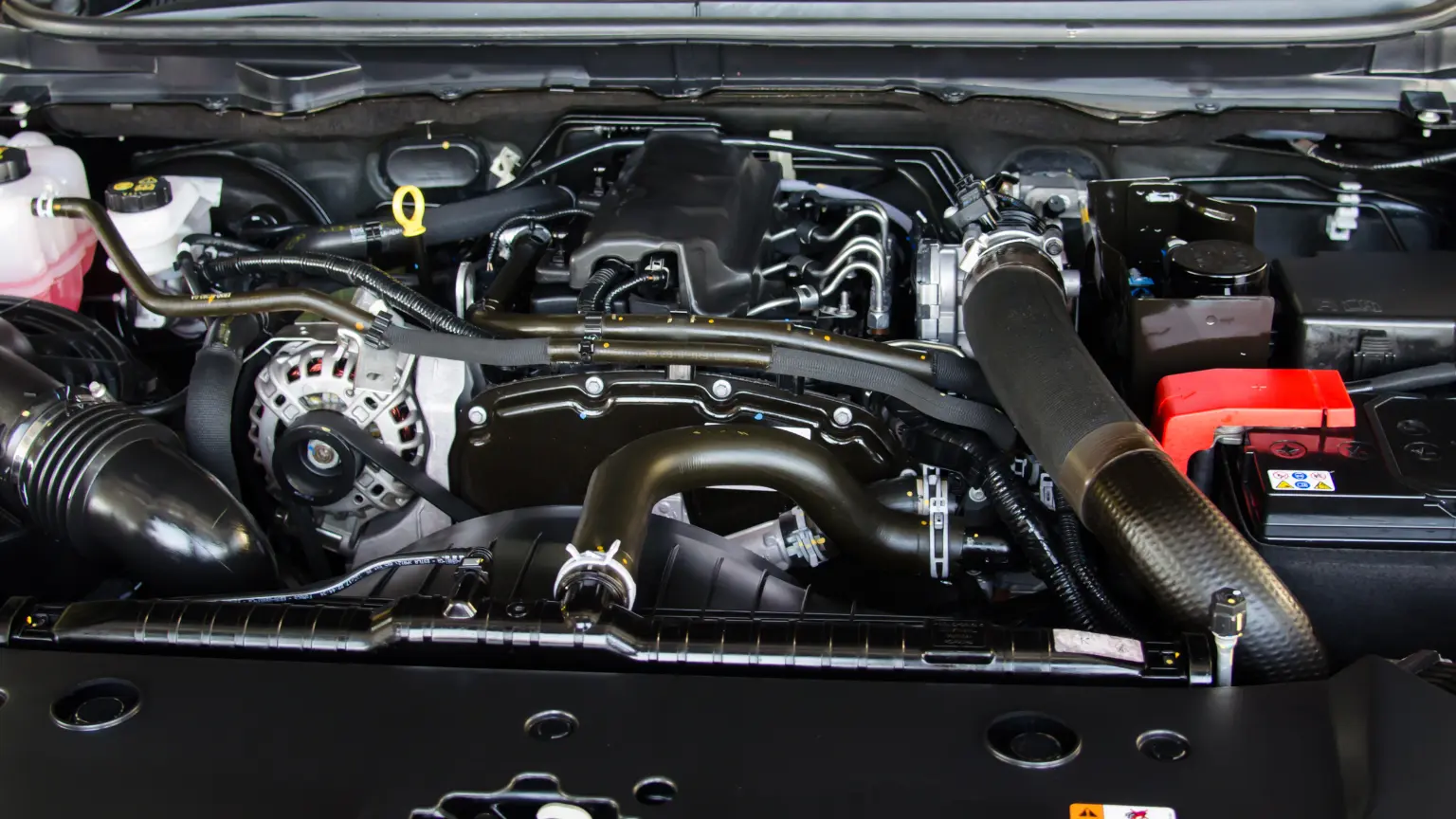
How to Fix a Slipping Transmission
If you’re wondering how to fix a slipping transmission, the honest answer is that many causes of slipping require professional repair. However, there are a few steps you can take to troubleshoot and possibly resolve minor issues:
- Check the Transmission Fluid: Since low or bad fluid is a common cause, start here. Park the car on level ground, let it warm up, and check the transmission dipstick. Observe the fluid level and condition.
- Look for Leaks and Address Them: If you find that the fluid is low, or you see spots of red fluid under the car, locate the source of the leak. Common leak points are pan gaskets, axle seals, or cooler line connections. A leak must be repaired because if you simply add fluid without fixing the leak, the slipping will return. Small leaks can sometimes be fixed relatively inexpensively, whereas ignoring them could lead to running the transmission dry and causing major damage.
- Minor Adjustments (if applicable): Some older automatic transmissions have adjustable bands that can be tightened to compensate for wear. This isn’t common on modern cars, but if you have the technical know-how and a service manual, you could check if band adjustment is possible.
- Replace Worn Components: If the problem is due to worn clutches or bands inside the transmission, or a failing torque converter, these components will need to be repaired or replaced. This typically means removing and disassembling the transmission, which is a job for professionals with the right tools.
If your transmission is slipping: check the fluid and top it up if low, avoid hard driving, and get the car to a repair facility.
Transmission Slipping Repair Costs
Facing a transmission repair can be intimidating, and you’re likely wondering what the transmission slipping cost might be. The truth is that the cost to fix a slipping transmission can vary widely depending on the cause of the problem and the type of vehicle. On the lower end, if you’re lucky and the issue was just very low fluid or a clogged filter, you might get away with a fluid change or minor repair. On the higher end, if the transmission’s internal parts are damaged, you might need a rebuild or replacement.
As a rough guideline, the cost to fix a slipping transmission depends on the cause. A simple fluid change may cost around $80 to $250, while fixing internal components can range from roughly $1,500 to $3,500. Minor repairs like replacing a faulty solenoid, patching a leak, and refilling fluid typically fall on the lower side. Replacing a solenoid might cost a couple of hundred dollars for parts and labor. A transmission service is usually a few hundred dollars or less.
The cost will also depend on where you have the work done. A dedicated transmission shop might give you a more specialized service and could be less expensive than a dealership in some cases. It’s always a good idea to get a couple of quotes if faced with an expensive repair. But be cautious: the best transmission repair isn’t necessarily the cheapest. You want someone who knows what they’re doing, because a poorly done rebuild can lead to more problems down the line.
One more factor to consider is whether your car has any warranty or extended warranty that covers transmission issues. If the vehicle is relatively new and under powertrain warranty, a slipping transmission could be repaired at little or no cost to you by the dealer. But for most cars out of warranty, this is an out-of-pocket expense.
Getting Professional Help for a Slipping Transmission
Because the transmission is such a complex and vital component, professional help is often the best route when dealing with slipping. If you’ve noticed the warning signs we discussed, it’s time to consult with a mechanic or a transmission specialist. Many people start by visiting a trusted auto repair center, especially if it’s a shop that has done good work for them in the past. However, keep in mind that not all general automotive shops do internal transmission work.
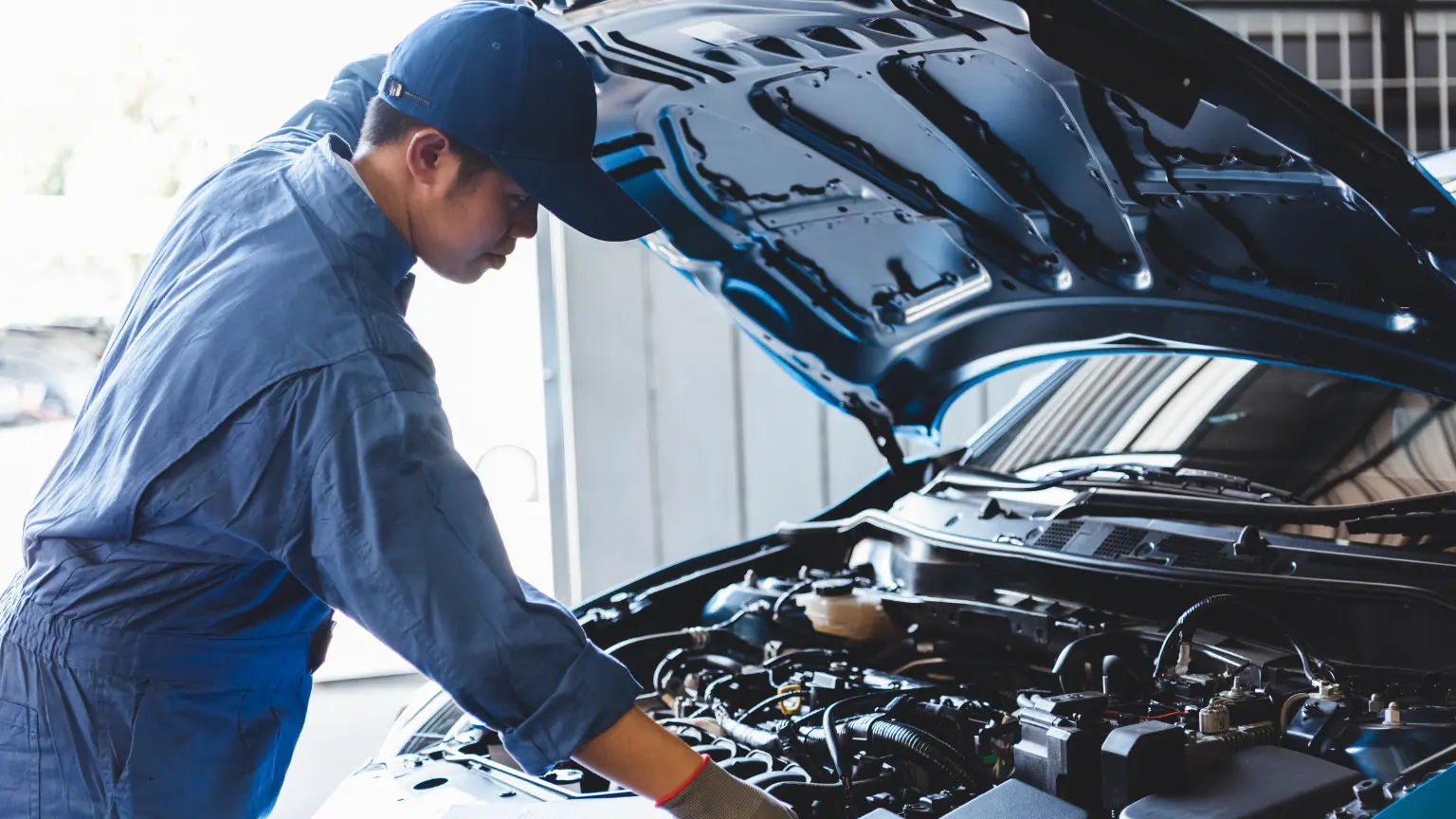
You may need to find transmission stores or specialists in your area that focus on transmissions and driveline work. A local transmission repair shop will have technicians experienced in diagnosing and rebuilding transmissions, which can be a big advantage for a tricky slipping issue. These specialists often have the proper diagnostic equipment to read transmission-specific error codes and measure things like internal pressure, and they’re familiar with the quirks of various transmission models. When looking for help, ask if the shop has experience with your make/model or the specific transmission type. Certifications are good signs of expertise.
It’s worth mentioning that specialized transmission shops often also provide related services like differential or transfer case repairs (for 4WD/AWD vehicles). If your car has multiple issues, a comprehensive drivetrain expert like that can help. As an example of a specialized service provider, Gresham Trans Medic Transmissions in Oregon is a dedicated transmission repair center that focuses on diagnosing and fixing transmissions efficiently. Working with professionals of that caliber means your vehicle’s problem will be pinpointed accurately and fixed using the proper procedures and parts.
Being informed about symptoms of a bad transmission is part of good car ownership. It empowers you to react appropriately and keep your car safe on the road. If you ever suspect your transmission is slipping, don’t panic, but do take it seriously. With the knowledge of the warning signs and causes, along with timely intervention and help from a skilled auto repair center or transmission specialist, you can resolve the issue before it turns into a costly disaster.
Sources
- Gearstar Performance Transmissions – What Is Transmission Slipping? Signs To Look Out For gearstar.com
Follow a maintenance program
Ante gravida id aenean quis egestas risus nam amet nullam leo diam diam aliquam eu eu malesuada arcu rhoncus suspendisse nulla mattis ut amet sagittis in justo egestas.
search for a trusted mechanic
Lorem ipsum dolor sit amet, consectetur adipiscing elit lobortis arcu enim urna adipiscing praesent velit viverra sit semper lorem eu cursus vel hendrerit elementum morbi curabitur etiam nibh justo, lorem aliquet donec sed sit mi dignissim at ante massa mattis.
- Neque sodales ut etiam sit amet nisl purus non tellus orci ac auctor
- Adipiscing elit ut aliquam purus sit amet viverra suspendisse potent
- Mauris commodo quis imperdiet massa tincidunt nunc pulvinar
- Excepteur sint occaecat cupidatat non proident sunt in culpa qui officia
Check the air pressure in your tires
Vitae congue eu consequat ac felis placerat vestibulum lectus mauris ultrices cursus sit amet dictum sit amet justo donec enim diam porttitor lacus luctus accumsan tortor posuere praesent tristique magna sit amet purus gravida quis blandit turpis.
Review your suspension frequently
At risus viverra adipiscing at in tellus integer feugiat nisl pretium fusce id velit ut tortor sagittis orci a scelerisque purus semper eget at lectus urna duis convallis. porta nibh venenatis cras sed felis eget neque laoreet suspendisse interdum consectetur libero id faucibus nisl donec pretium vulputate sapien nec sagittis aliquam nunc lobortis mattis aliquam faucibus purus in.
- Neque sodales ut etiam sit amet nisl purus non tellus orci ac auctor
- Adipiscing elit ut aliquam purus sit amet viverra suspendisse potent
- Mauris commodo quis imperdiet massa tincidunt nunc pulvinar
- Excepteur sint occaecat cupidatat non proident sunt in culpa qui officia
Service your vehicle as regularly as posible
At risus viverra adipiscing at in tellus integer feugiat nisl pretium fusce id velit ut tortor sagittis orci a scelerisque purus semper eget at lectus urna duis convallis. porta nibh venenatis cras sed felis eget neque laoreet suspendisse interdum consectetur libero id faucibus nisl donec pretium vulputate sapien nec sagittis aliquam nunc lobortis mattis aliquam faucibus purus in.
“Nisi quis eleifend quam adipiscing vitae aliquet bibendum enim facilisis gravida neque velit euismod in pellentesque”
Conclusion
Eget lorem dolor sed viverra ipsum nunc aliquet bibendum felis donec et odio pellentesque diam volutpat commodo sed egestas aliquam sem fringilla ut morbi tincidunt augue interdum velit euismod eu tincidunt tortor aliquam nulla facilisi aenean sed adipiscing diam donec adipiscing ut lectus arcu bibendum at varius vel pharetra nibh venenatis cras sed felis eget.