Transmission Overheating: Signs, Risks, And Next Steps
Learn the warning signs of transmission overheating, common causes like towing and low fluid, and the damage heat can create. Get clear steps to take right away plus prevention tips to protect your transmission.
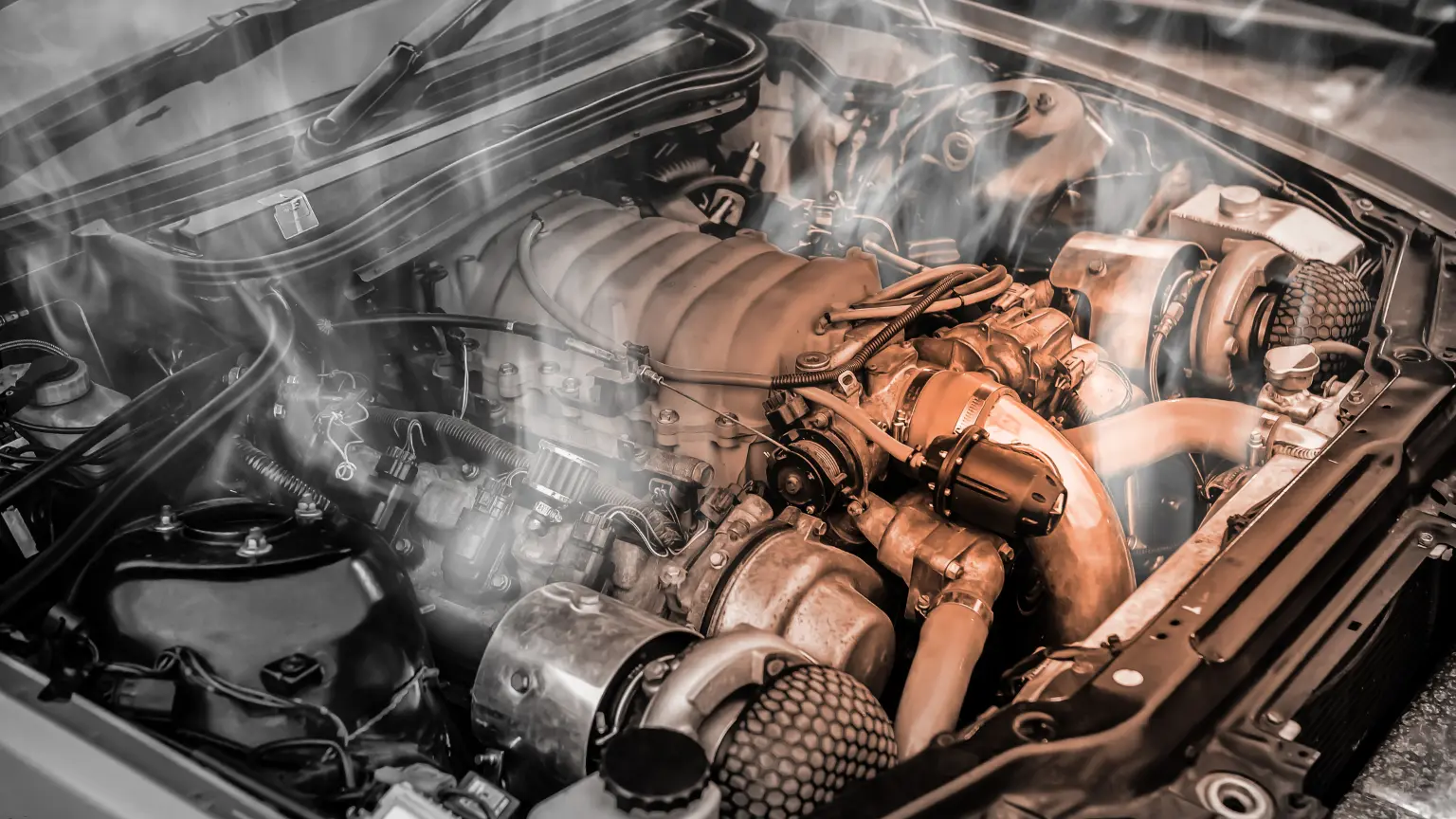
Transmission overheating is a serious issue that can swiftly lead to costly transmission damage if not addressed. Excessive heat is often cited as a leading cause of transmission failure, as it’s estimated that nearly 90% of automatic transmission failures are due to overheating. An overheated transmission means the transmission's (and its fluid's) internal temperature has exceeded safe limits. This can happen in many driving situations, from heavy towing to stop-and-go traffic, and understanding the warning signs and consequences is crucial. In this article, we’ll explore the transmission overheating signs, the potential damage from heat, and the next steps you should take to protect your vehicle’s transmission.
Warning Signs and Symptoms of an Overheating Transmission
Modern vehicles provide several cues to alert drivers of rising transmission temperatures. Some cars have a dedicated transmission temperature warning light on the dashboard that illuminates when the fluid gets too hot. Others may display a message like “Transmission Hot” or have a gauge for transmission temperature. Paying attention to these signals is critical. Even without a warning light, your vehicle will exhibit transmission overheating symptoms that you should not ignore.
- Burning Odor: A burnt smell coming from the transmission area or the fluid dipstick is one of the clearest transmission overheating symptoms. Overheated fluid loses its lubricating properties and starts to burn, producing a distinct acrid odor. You might notice this smell especially after climbing hills or being stuck in traffic, as heat builds up.
- Slipping or Delayed Shifts: An overheating transmission can cause your gears to slip or hesitate. You may press the accelerator and feel a delay before the car moves, or the engine may rev higher without a corresponding increase in speed. This happens because excessive heat thins and degrades the fluid, reducing hydraulic pressure and causing clutch packs to lose grip. The result is sluggish or erratic gear changes.
- Shuddering or Vibrations: A notable vibration or shudder at certain speeds can indicate torque converter problems related to overheating. These torque converter overheating symptoms often occur at highway cruising speeds when the torque converter clutch should lock up. If the converter overheats or its clutch slips, you might feel a tremble or shudder as the transmission struggles to maintain a solid connection.
- Warning Lights: If your vehicle is equipped with a transmission temperature gauge or light, any indication of high heat is an immediate red flag. Additionally, an overheating transmission can sometimes trigger the general “Check Engine” light as sensors detect unusual transmission behavior or fluid temperature. Always investigate the cause of a warning light. It could very well be high transmission temperature.
- Fluid Leaks or Overflow: In some cases, you might find transmission fluid leaking or overflowing from the dipstick tube or vent. Heat causes fluid to expand; if the transmission is overheating in traffic or under heavy load, the expanded fluid can be pushed out of seals or vents. Overheating also hardens rubber seals, potentially causing leaks. Seeing red oily fluid under your vehicle after heavy driving could mean the transmission got too hot and forced fluid out.
- Unusual Noises: Overheated transmissions may produce whining, humming, or buzzing noises. The stress of high heat on bearings and gears can change clearances and lubrication, leading to noise. Likewise, a torque converter running too hot might emit a subtle rattling or whining. Any new noises accompanied by performance issues should be treated with caution.
If you observe one or more of these transmission overheat signs, act quickly. Continuing to drive with an overheated transmission can worsen the damage.
Common Causes of High Transmission Temperature
Understanding the high transmission temperature causes can help you prevent overheating before it happens. A transmission generates a lot of friction and heat during normal operation, but it’s designed with cooling systems to keep temperatures in check. When something upsets this balance, heat can spike. Here are the most common causes of an overheating transmission:
- Low or Degraded Fluid: Insufficient or old transmission fluid is a top cause of overheating. The fluid is responsible for both lubricating moving parts and carrying away heat. If the fluid level is low or if the fluid is worn out and dirty, it can’t do its job. Low fluid means higher friction, and dirty fluid can’t effectively absorb and dissipate heat. Transmission cooling system problems often begin with poor fluid condition or quantity.
- Heavy Loads and Towing: Pulling a trailer or carrying heavy cargo puts extra strain on your transmission. The added weight means the transmission must work harder and generate more heat to move the vehicle. Long uphill drives or towing in hot weather are notorious for causing overheating. Many drivers have experienced an overheating transmission after towing a camper or boat on a summer day. If your vehicle is not specifically equipped for towing, high heat can overwhelm it quickly under these conditions.
- Stop-and-Go Driving: City driving or getting stuck in stop-and-go traffic can lead to a transmission overheating in traffic scenario. Why? Because constant acceleration and braking prevent airflow from cooling the radiator, and the transmission may be shifting frequently and not reaching efficient steady-state operation. The torque converter generates more heat during continuous stop-start cycles, and without moving air, the transmission cooler can’t shed heat effectively.
- Hot Weather: High ambient temperatures reduce the cooling efficiency of the radiator and transmission cooler. In scorching summer conditions, especially combined with the factors above, the threshold for overheating is much easier to reach. What might be “normal” driving load on a cool day could push your transmission over the edge on a 100°F day.
- Radiator or Cooler Failures: Most automatic transmissions are cooled via a heat exchanger in the engine’s radiator or a dedicated auxiliary cooler. A radiator transmission cooler failure will directly cause overheating. If the coolant level in the engine is low or the radiator is clogged, the ATF (automatic transmission fluid) can’t shed heat and will quickly overheat. In short, anything that impairs the cooling system can send transmission temperatures soaring.
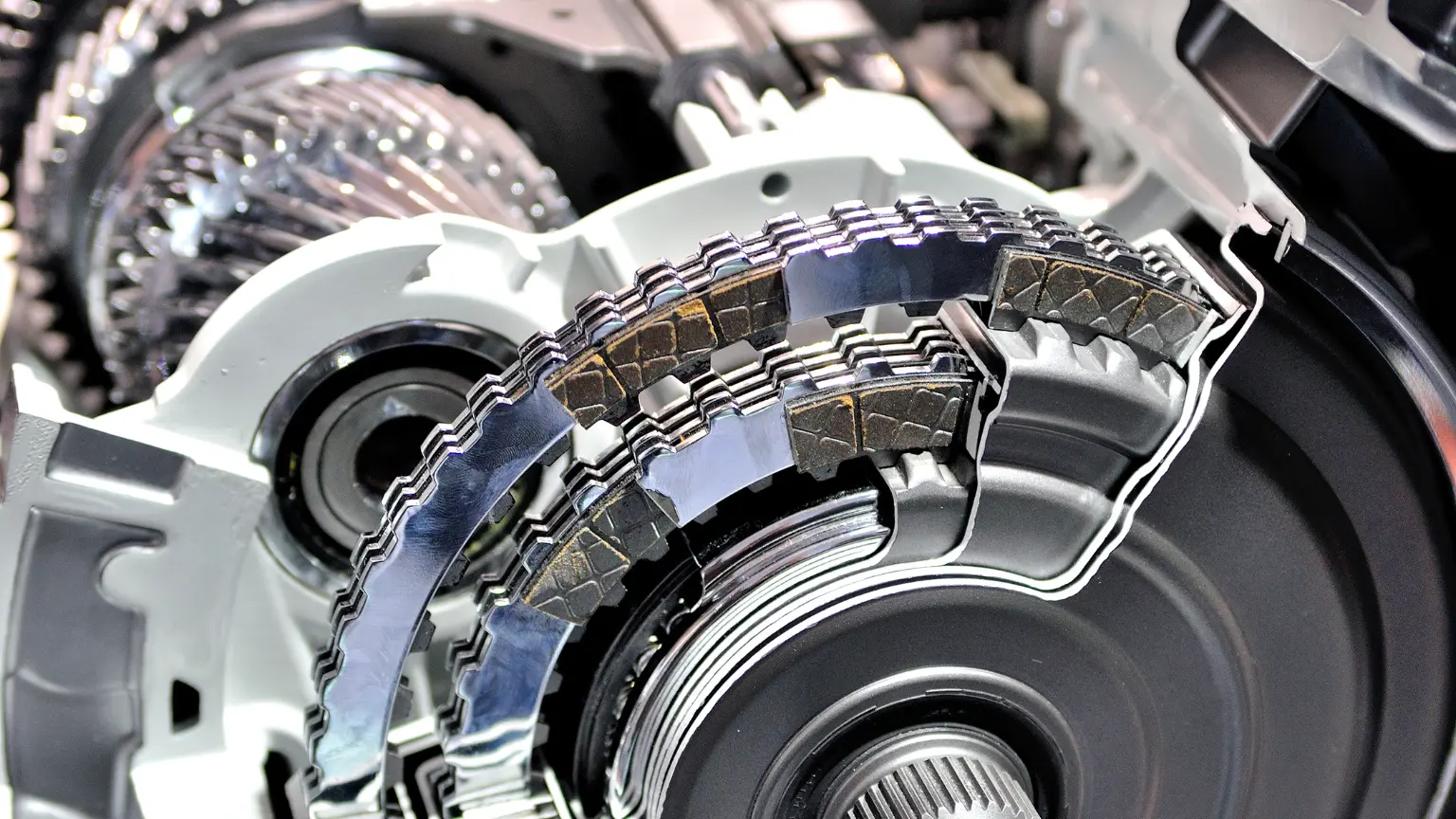
- Torque Converter Slip or Internal Issues: The torque converter is often the single biggest heat source in an automatic transmission. If it’s malfunctioning, it will generate excessive heat. Continuous slippage inside the torque converter means a lot of energy is being turned into heat instead of driving the wheels. Similarly, other internal problems like worn clutches or bands, or a valve body issue causing low hydraulic pressure, can lead to slipping under load. Slippage = friction = heat.
- Fluid Level Too High: It’s worth noting that even overfilling the transmission can cause issues. An overfilled transmission can aerate the fluid, leading to foaming. Foamy fluid doesn’t cool or lubricate well, and can contribute to overheating. Always fill the transmission fluid to the correct level.
Any factor that undermines the cooling system’s capacity can trigger transmission overheating. Knowing these causes, you can take preventative measures, especially if you frequently tow, drive in hot climates, or sit in heavy traffic.
Risks and Damage from Transmission Overheating
Why is transmission overheating such a big deal? The short answer is that heat is the enemy of your transmission’s vital components and fluid. A certain amount of heat during operation is normal. Most automatics are designed to run at roughly 175°F to 200°F (80-93°C) which is similar to engine coolant temperatures. But when temperatures rise beyond this range, each additional degree is doing damage.
Overheated transmission fluid undergoes a sort of chemical breakdown. It loses its lubricating qualities and can even start to “cook.” This transmission fluid burn is more than just a smell; it indicates the fluid’s additives are depleted and it’s turning to varnish. As fluid overheats, it oxidizes and forms a varnish-like coating on internal parts, such as valve bodies and clutch surfaces. Critical seals and o-rings made of rubber can harden and crack once fluid temperatures exceed roughly 250°F (121°C). At that point, leaks may develop and hydraulic pressure drops. If fluid temperature approaches 290°F (143°C) or more, clutches and bands can burn out entirely, causing the transmission to start slipping and eventually fail. Sustained extreme heat can ruin a transmission in short order.
Heat damage inside a transmission is often permanent. The transmission heat damage may include: warped metal components, burned clutch facings, melted seals, and fried electronics. Even the transmission’s computer may trigger a fail-safe “limp mode” if it detects excessive temperature, limiting performance to prevent further harm. You might then need a complete rebuild or replacement of the transmission if the internal damage is severe.
Immediate Steps to Take When Your Transmission Overheats
If you ever find yourself driving and notice a transmission overheating while driving, you should take immediate action. Here are the next steps to follow to minimize damage:
- Pull Over Safely: The moment you suspect your transmission is overheating, find a safe place to pull off the road. Continuing to drive while overheating can cause rapid internal damage, so it’s critical to stop as soon as possible.
- Let it Cool Down: With the vehicle in Park, let the engine idle to pump fluid through the cooler. This helps dissipate heat. If you see smoke or the temperature is extreme, you may also turn off the engine after a minute or two of idling. Do not immediately open the hood if you see any fluid leaking or boiling over, and never touch transmission fluid when hot. Give the transmission at least several minutes to cool down.
- Check Transmission Fluid Level (If Possible): Once things have cooled sufficiently, check your transmission fluid level via the dipstick. Low fluid could be the culprit. Also, observe the fluid’s color and smell on the dipstick. If it’s dark brown/black or has a burnt odor, the fluid is cooked.
- Look for Leaks: While you’re stopped, do a quick inspection under the vehicle. Overheating can cause fluid to purge out. If you see a puddle of transmission fluid under the car, note that information. A significant leak means you likely shouldn’t drive further.
- Drive Gently (If You Must Drive): After things cool down, if the transmission seems to return to normal and there’s no significant fluid loss, you might try to drive carefully to a nearby repair shop. However, drive at moderate speeds and avoid heavy throttle. Keep an eye on any warning lights. The safer alternative, especially if symptoms persist, is to call for a tow. Limping a badly overheated transmission home or to a mechanic could turn a minor repair into a complete overhaul.
- Get Professional Help: Whether or not the transmission seems OK after cooling, it’s important to have it inspected. An expert technician will diagnose why the overheating occurred. It could be a simple issue like low fluid from a small leak, or something more complex like a failing torque converter or clogged cooler. Don’t ignore the event – overheating once is enough to cause some damage, and it will likely happen again if the root cause isn’t fixed. Driving on an overheated transmission without addressing the cause is courting transmission failure.
Remember, these steps are about damage control. Once a transmission has overheated, it may have shortened its lifespan, but prompt action can prevent a total failure. Always err on the side of caution: it’s better to tow the vehicle than to risk driving with a compromised transmission.
Fixes and Preventive Measures for Transmission Overheating
If your fluid has burned, it will need to be replaced. Regular fluid maintenance is one of the best ways to prevent overheating. Old fluid that has oxidized cannot protect the transmission. Follow your vehicle manufacturer’s guidelines on transmission fluid change intervals. If you’ve experienced an overheating event, you might choose to change the fluid and filter sooner. Fresh, high-quality ATF ensures optimal cooling and lubrication.
If the overheating was caused by internal issues, those parts will need repair or replacement. A torque converter that isn’t locking up properly, for instance, may need to be rebuilt or replaced to prevent continual heat generation. Sometimes a malfunctioning solenoid or sensor can cause the transmission to not engage gears correctly, leading to overheating. These should be diagnosed via a scan of the transmission’s control module for error codes. Addressing the root cause is key; otherwise, overheating will happen again even after a fluid change.
If you frequently tow heavy trailers, haul loads, or drive in mountain regions, consider proactive upgrades to handle the extra heat. Installing an auxiliary transmission cooler is a popular solution. This is essentially a small radiator dedicated to cooling the ATF, mounted in front of the main radiator. It can significantly increase the heat dissipation capacity. Also, using a deep transmission pan or synthetic transmission fluid with higher heat tolerance is a possible step to raise the heat threshold. These upgrades can provide extra insurance in preventing overheating under stress.
Not all cars have a readout for transmission temp. If yours doesn’t, and you engage in severe driving conditions, you might install an aftermarket gauge. High transmission temperature causes damage quickly, so being able to monitor the temperature lets you back off or pull over before things get critical. Many gauges use a sensor in the transmission pan to give you a real-time temperature. Keeping an eye on it, you’ll learn what “normal” is for your car and can take action if you see it climbing too high.
Transmission overheating is not something to be taken lightly. The signs all signal that your transmission is under duress from excessive heat. By recognizing these early transmission overheating warnings and responding promptly, you can save yourself from a major breakdown and expensive repairs. Always address the root cause of overheating, whether it’s as simple as a low fluid level or as involved as a failing component. If you’re unsure about the state of your transmission or have experienced an overheating incident, it’s wise to consult a professional technician. The experts at Trans Medic Transmissions can help diagnose transmission cooling issues, repair any damage, and get you back on the road with confidence. Remember, with transmissions, an ounce of prevention is truly worth a pound of cure. Keep the fluid fresh, the cooling system efficient, and your driving habits considerate of your vehicle’s limits, and you’ll drastically minimize the chances of ever encountering an overheated transmission.
Sources:
- Tsukasa Azuma, "What Are Normal Transmission Temperatures?" – Car From Japan (Feb 9, 2024)
- Bob Sharp, "Transmission Temperature: What’s Considered Normal & Why Does It Matter?" – SlashGear (Feb 17, 2025)
- Pat Burrow, "Heat Is Still The Enemy!" – Gears Magazine (Jan 17, 2025)
Follow a maintenance program
Ante gravida id aenean quis egestas risus nam amet nullam leo diam diam aliquam eu eu malesuada arcu rhoncus suspendisse nulla mattis ut amet sagittis in justo egestas.
search for a trusted mechanic
Lorem ipsum dolor sit amet, consectetur adipiscing elit lobortis arcu enim urna adipiscing praesent velit viverra sit semper lorem eu cursus vel hendrerit elementum morbi curabitur etiam nibh justo, lorem aliquet donec sed sit mi dignissim at ante massa mattis.
- Neque sodales ut etiam sit amet nisl purus non tellus orci ac auctor
- Adipiscing elit ut aliquam purus sit amet viverra suspendisse potent
- Mauris commodo quis imperdiet massa tincidunt nunc pulvinar
- Excepteur sint occaecat cupidatat non proident sunt in culpa qui officia
Check the air pressure in your tires
Vitae congue eu consequat ac felis placerat vestibulum lectus mauris ultrices cursus sit amet dictum sit amet justo donec enim diam porttitor lacus luctus accumsan tortor posuere praesent tristique magna sit amet purus gravida quis blandit turpis.
Review your suspension frequently
At risus viverra adipiscing at in tellus integer feugiat nisl pretium fusce id velit ut tortor sagittis orci a scelerisque purus semper eget at lectus urna duis convallis. porta nibh venenatis cras sed felis eget neque laoreet suspendisse interdum consectetur libero id faucibus nisl donec pretium vulputate sapien nec sagittis aliquam nunc lobortis mattis aliquam faucibus purus in.
- Neque sodales ut etiam sit amet nisl purus non tellus orci ac auctor
- Adipiscing elit ut aliquam purus sit amet viverra suspendisse potent
- Mauris commodo quis imperdiet massa tincidunt nunc pulvinar
- Excepteur sint occaecat cupidatat non proident sunt in culpa qui officia
Service your vehicle as regularly as posible
At risus viverra adipiscing at in tellus integer feugiat nisl pretium fusce id velit ut tortor sagittis orci a scelerisque purus semper eget at lectus urna duis convallis. porta nibh venenatis cras sed felis eget neque laoreet suspendisse interdum consectetur libero id faucibus nisl donec pretium vulputate sapien nec sagittis aliquam nunc lobortis mattis aliquam faucibus purus in.
“Nisi quis eleifend quam adipiscing vitae aliquet bibendum enim facilisis gravida neque velit euismod in pellentesque”
Conclusion
Eget lorem dolor sed viverra ipsum nunc aliquet bibendum felis donec et odio pellentesque diam volutpat commodo sed egestas aliquam sem fringilla ut morbi tincidunt augue interdum velit euismod eu tincidunt tortor aliquam nulla facilisi aenean sed adipiscing diam donec adipiscing ut lectus arcu bibendum at varius vel pharetra nibh venenatis cras sed felis eget.