Transmission Maintenance Schedule: How Often You Really Need Service
Follow the right transmission maintenance schedule to protect performance and avoid costly repairs. Learn fluid change timing, flush vs change differences, warning signs, and simple tips for longer transmission l
Keeping up with your car’s transmission maintenance schedule is crucial to the longevity and performance of your vehicle. The transmission is a complex system of gears and hydraulic components that enables your car to shift smoothly. Yet, many drivers are unsure how often to service the transmission, leading to potential neglect of this vital maintenance item. This comprehensive guide explains why transmission service matters, when to change transmission fluid, the difference between a fluid change and a flush, and warning signs of trouble, along with tips to help you care for your transmission.
Why Transmission Maintenance Matters
Regular transmission service is an investment in your vehicle’s future. Automatic transmissions contain many moving parts and rely on clean fluid for lubrication, cooling, and hydraulic pressure. Over time, transmission fluid breaks down and accumulates metal particles and sludge, which can cause gears to slip or wear out faster. A neglected transmission may start shifting harshly, overheating, or even fail completely, leading to extremely costly repairs. Replacing a bad transmission can easily cost $2,900 – $7,100 for a new transmission, depending on the vehicle. This high transmission replacement cost makes it clear that spending a bit on preventative maintenance is far preferable to paying for a full rebuild or replacement later.
Beyond avoiding catastrophic failures, maintaining your transmission also preserves performance and efficiency. Fresh fluid helps the transmission shift gears smoothly and keeps internal clutches and bands operating as designed. If the fluid is dirty or low, the transmission has to work harder, generating excess heat and friction. That can lead to poor fuel economy and strain on other drivetrain components. In short, regular transmission fluid change intervals will save you money and headaches by preventing breakdowns and prolonging your transmission's life. It’s a critical part of any thorough vehicle maintenance checklist for keeping your car running reliably.
How Often to Service the Transmission
Drivers often wonder when to change transmission fluid and what interval to follow. The truth is, the ideal service frequency can vary depending on your vehicle’s type of transmission, age, and driving conditions. Change the fluid roughly between 60,000 and 100,000 miles for an automatic transmission, whereas many manual transmissions need service closer to 30,000 miles. These are general guidelines. Your owner’s manual will list the manufacturer’s recommended interval, which is the best starting point. For example, an automatic transmission service might be suggested at 90,000 miles on one model, but at 60,000 miles on another. Meanwhile, some manual gearboxes have shorter intervals due to different fluid and clutch requirements.
It’s important to adjust the schedule based on your driving habits. “Severe” driving conditions can drastically shorten fluid life. If you frequently tow heavy loads, drive in stop-and-go city traffic, live in a very hot climate, or otherwise put extra strain on the transmission, you should service it more frequently. Under extreme use, fluid might need changing as early as 15,000 to 30,000 miles to prevent excessive wear. On the other hand, vehicles driven mostly on highways under light load can often go to the higher end of the mileage range.
Always check your fluid condition periodically. If it’s dark or has a burnt odor, that’s a red flag. The key is to treat the manufacturer’s schedule as a baseline, and err on the side of caution if your driving qualifies as severe service. Staying proactive about fluid changes is far cheaper and easier than dealing with an overheated transmission down the road.
The Myth of “Lifetime” Transmission Fluid
You might have heard claims that certain modern cars have “lifetime” transmission fluid or sealed transmissions that never need service. Unfortunately, this is a misleading notion. In reality, no oil or fluid in a vehicle truly lasts forever. Automakers sometimes stretch transmission service intervals to 100,000 miles or state no change is required under “normal conditions,” but that doesn’t mean the fluid maintains optimal performance indefinitely. Industry experts strongly warn against trusting the idea of lifetime fluid. There is really no such thing as a fluid that never needs changing, even if a manufacturer suggests it. Periodic changes will significantly extend your transmission’s life. Over time, heat and friction break down the fluid’s lubricating properties and important additives.
Even “sealed” transmissions can have their fluid exchanged by qualified technicians using special equipment. Ignoring fluid maintenance because of a so-called lifetime fill can lead to premature transmission failure. Transmission maintenance schedule recommendations should still be followed, regardless of any marketing about lifetime fluid. It’s wise to include transmission service in your vehicle maintenance checklist at sensible intervals instead of treating it as a never-service item. Your transmission will thank you with smoother operation and greater longevity.
Transmission Fluid Change vs Transmission Fluid Flush
When it’s time for transmission service, drivers often encounter two options at the shop: a fluid change or a fluid flush. Both procedures aim to refresh the transmission oil, but in different ways. In a standard transmission fluid change, a technician drains the fluid by removing the pan or drain plug, replaces the transmission filter, cleans any magnets or debris from the pan, and then refills the transmission with new fluid. This process typically replaces only about 60–70% of the old fluid because a significant amount remains in the torque converter and other parts, but it has the benefit of installing a new filter and physically cleaning out residue from the pan.
By contrast, a transmission fluid flush uses a machine to exchange nearly all of the old fluid for new fluid. The machine connects to the transmission’s fluid lines and pumps new fluid in while drawing the old fluid out, often circulating through the transmission until it runs clean. A flush is faster and replaces almost 100% of the fluid, but it usually does not involve dropping the pan or changing the filter. As a result, a flush alone may leave the old filter in place. A flush swaps out virtually all the fluid in one go, whereas a standard fluid change replaces most of the fluid but also includes a new filter and internal inspection. Each method has its merits: a flush ensures all fluid is fresh, while a change with filter replacement can remove particles and give a snapshot of transmission health.
So which should you choose? It often depends on the vehicle’s mileage and condition. If your car is relatively new or has been regularly serviced, a fluid flush can be a quick way to ensure you have clean fluid throughout the system. However, if you have a high-mileage transmission that’s never been serviced, some mechanics favor a traditional fluid change first, as a sudden flush of detergent-rich fluid could dislodge debris in a neglected unit. Many shops actually use a combination: they’ll drop the pan to change the filter and clean out gunk, then flush to replace the remaining fluid. Cost-wise, flushes and changes are comparable, with flushes sometimes a bit cheaper since they are quicker. No matter which approach is used, what’s important is that your transmission gets fresh fluid at the recommended interval. Both a transmission fluid flush and a fluid change are far better than doing nothing. Your service technician can advise which method is appropriate for your situation. The best transmission services will tailor the maintenance to your vehicle’s needs, ensuring the transmission isn’t harmed in the process.
Signs You Need Transmission Service
How do you know if your transmission is due for service? Aside from mileage-based schedules, keep an eye out for warning signs that your transmission may need attention. One of the simplest indicators is the fluid’s condition. Check your transmission fluid periodically. Healthy fluid is typically a bright translucent red and has a sweet or neutral odor. If the fluid on the dipstick appears dark brown or almost black, or gives off a burnt smell, it’s a clear sign that it’s time for a fluid change. Contaminated or degraded fluid can no longer protect the transmission effectively, leading to overheating and component wear.
Beyond the fluid itself, your car’s behavior can hint at transmission issues. Listen for any unusual noises like whining, humming, or grinding when the transmission shifts gears. Abnormal sounds could indicate low fluid or internal damage. Pay attention to shift quality as well. Hard, jerky shifts or long delays when engaging Drive or Reverse are symptomatic of transmission problems. A transmission in good shape should shift almost imperceptibly. If you feel shuddering or slipping, the transmission may be struggling to maintain gear engagement due to worn fluid or mechanical issues. Another red flag is if your car won’t go into gear or has trouble staying in gear.
Modern vehicles may also warn you via dashboard lights. Some cars have a transmission temperature warning light that illuminates when the transmission overheats, which is often caused by old fluid or heavy strain. Even a general “Check Engine” light can be triggered by transmission-related error codes on many models. If any of these signs occur, don’t ignore them. At the very least, check the fluid level and condition. Low fluid from a leak is a common cause of many transmission problems and can be topped up as a temporary fix. In any case, noticeable symptoms like those above mean it’s wise to schedule an auto transmission repair inspection soon.
Transmission Maintenance Tips for Longevity
Proper maintenance can greatly extend the life of your transmission. Here are some essential tips and best practices to keep your transmission in top shape as part of your routine car maintenance plan:
- Check Fluid Regularly: Make it a habit to inspect your transmission fluid level and condition, at least once a month. Low fluid can indicate a leak, and dirty or burnt-smelling fluid means it’s due for replacement.
- Fix Leaks Immediately: If you spot a reddish puddle or drips under your parked car, you might have a transmission fluid leak. Common leak points are the pan gasket, cooler lines, or axle seals. Don’t delay repairs. Even a small leak can lead to low fluid levels, which cause overheating and severe transmission damage. A local transmission shop can easily repair leaks and save you from much bigger problems down the road.
- Use the Right Fluid: Always use the exact type of transmission fluid specified by your vehicle’s manufacturer. Automatic transmissions are very sensitive to fluid formulation. Using the wrong fluid can impair shifting or even cause damage. Whether it’s a specific ATF grade or a certain gear oil for a manual, stick to the recommended fluid. High-quality synthetic fluids are often preferable for their longevity and heat resistance, especially in high-stress driving conditions.
- Avoid Overheating the Transmission: Excess heat is the #1 enemy of transmissions. Every 20°F increase in operating temperature can dramatically shorten fluid life and component durability. To minimize heat, avoid excessive stop-and-go clutch slipping and refrain from towing or hauling beyond your vehicle’s rated capacity. If you do tow frequently or drive in mountainous/hot areas, consider installing an auxiliary transmission cooler to help keep temperatures in check. Also, ensure your engine’s cooling system is working properly. Keeping the transmission cool will prolong its life and prevent many common failures.
- Keep Up with Scheduled Services: Never underestimate the importance of simply following the service intervals. Mark your calendar or set a reminder for when your next transmission service is due.
By following these transmission maintenance tips, you’ll significantly reduce the risk of breakdowns and enjoy a smoother driving experience. A little attention goes a long way in preserving your transmission’s health.
Professional Transmission Service and When to Seek Help
While most car owners can do basic maintenance like fluid checks, transmission servicing is often best left to the professionals. Modern transmissions are intricate and often sealed units requiring special tools to service properly. If you’re not comfortable performing a fluid change or if your transmission is exhibiting problems, it’s time to consult transmission repair specialists. These are technicians and shops that specialize in transmissions and driveline work, giving them expertise in diagnosing and repairing complex transmission issues. The advantage of going to a specialist or a reputable auto transmission repair shop is that they can accurately assess whether a simple service will suffice or if there’s a deeper issue at play.
Look for certified, experienced shops known for handling transmissions. The best transmission services will use factory-approved fluids, have the proper diagnostic equipment, and provide a warranty on their work. You might start with your dealer’s service department or an independent shop that specializes in transmissions. Word of mouth and reviews can help you find a trustworthy place. Convenience is another factor these days: many shops allow you to book transmission service online through their website. Scheduling an appointment online makes it easy to arrange a visit to have your transmission serviced or evaluated without even picking up the phone.
In some cases, maintenance may reveal or coincide with bigger issues that need repair. Minor problems like leaking seals, worn mounts, or computer calibration can often be fixed without removing the transmission. However, major internal damage may require rebuilding or replacing the transmission. If caught early, a skilled shop can sometimes perform a rebuild, which is often cheaper than a brand-new unit. A dedicated transmission rebuild shop can restore your existing transmission to good working order, usually at a lower cost than factory replacement.
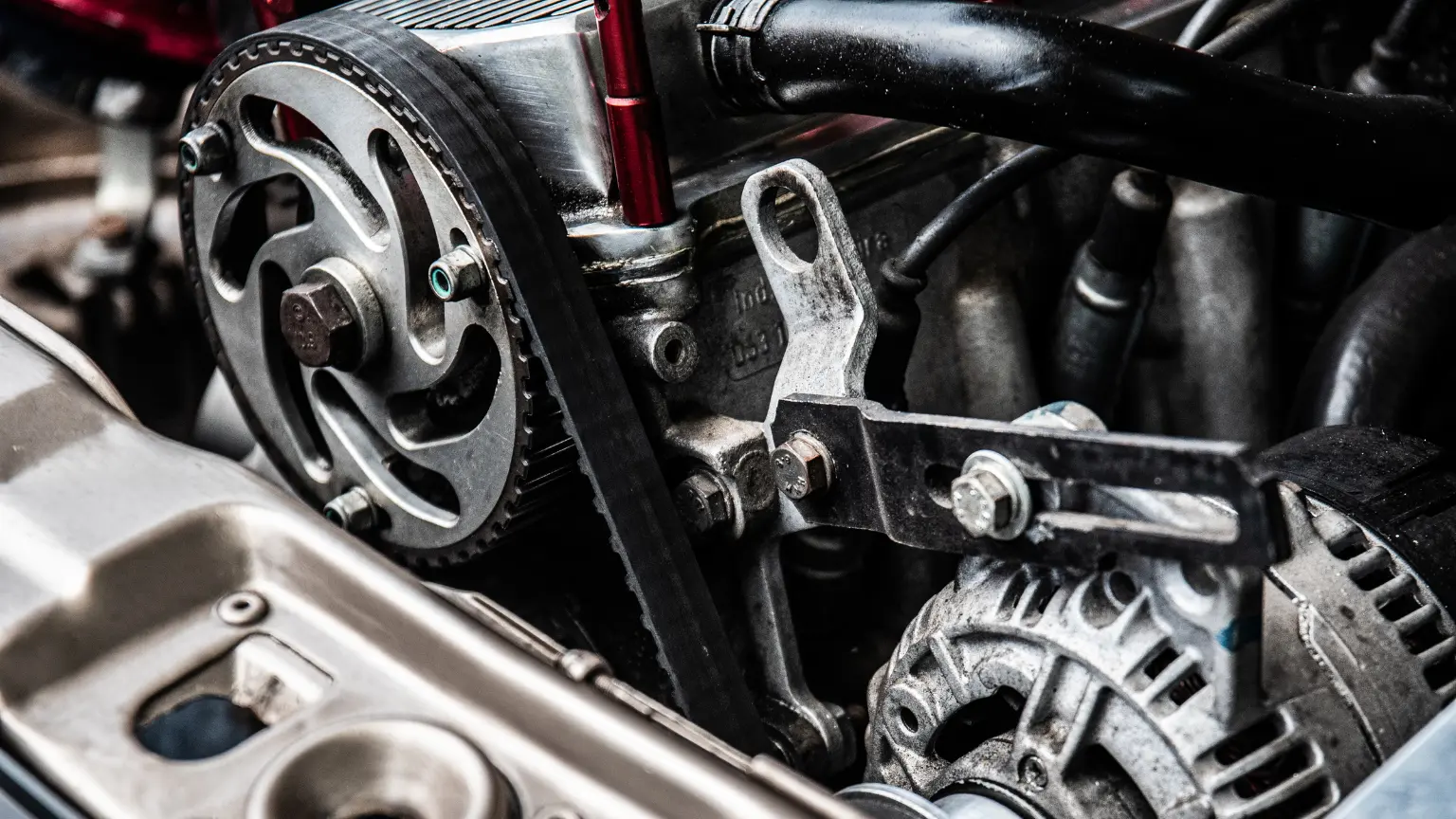
Don’t hesitate to ask questions when engaging with a shop. A good technician will explain whether you just need a service or if a repair is warranted. They can also clarify if your car’s transmission has any special requirements or known issues. Trusting transmission repair specialists ensures you receive an accurate diagnosis and an effective solution. It also provides peace of mind – knowing that a vital component like your transmission is in capable hands. At a local transmission shop such as Trans Medic Transmissions in Oregon, you can be confident that whether it’s a routine fluid change or a complex rebuild, the work will be done correctly and backed by expertise. Enlisting professional help at the right time can save your transmission from further damage and keep your car safely on the road.
By educating yourself on the signs of trouble and understanding the maintenance options, you’ve taken the first step toward being a responsible car owner in this regard. The rest is simply consistency. Include the transmission in your routine car maintenance routine, and you’ll likely avoid breakdowns and extend your vehicle’s lifespan. And if in doubt, consult professionals who can guide you.
Sources
- Honda of Slidell – “How Often to Change Transmission Fluid.” hondaofslidell.com
- AutoZone – “Transmission Flush vs Change: What is the Difference?” autozone.com
Follow a maintenance program
Ante gravida id aenean quis egestas risus nam amet nullam leo diam diam aliquam eu eu malesuada arcu rhoncus suspendisse nulla mattis ut amet sagittis in justo egestas.
search for a trusted mechanic
Lorem ipsum dolor sit amet, consectetur adipiscing elit lobortis arcu enim urna adipiscing praesent velit viverra sit semper lorem eu cursus vel hendrerit elementum morbi curabitur etiam nibh justo, lorem aliquet donec sed sit mi dignissim at ante massa mattis.
- Neque sodales ut etiam sit amet nisl purus non tellus orci ac auctor
- Adipiscing elit ut aliquam purus sit amet viverra suspendisse potent
- Mauris commodo quis imperdiet massa tincidunt nunc pulvinar
- Excepteur sint occaecat cupidatat non proident sunt in culpa qui officia
Check the air pressure in your tires
Vitae congue eu consequat ac felis placerat vestibulum lectus mauris ultrices cursus sit amet dictum sit amet justo donec enim diam porttitor lacus luctus accumsan tortor posuere praesent tristique magna sit amet purus gravida quis blandit turpis.
Review your suspension frequently
At risus viverra adipiscing at in tellus integer feugiat nisl pretium fusce id velit ut tortor sagittis orci a scelerisque purus semper eget at lectus urna duis convallis. porta nibh venenatis cras sed felis eget neque laoreet suspendisse interdum consectetur libero id faucibus nisl donec pretium vulputate sapien nec sagittis aliquam nunc lobortis mattis aliquam faucibus purus in.
- Neque sodales ut etiam sit amet nisl purus non tellus orci ac auctor
- Adipiscing elit ut aliquam purus sit amet viverra suspendisse potent
- Mauris commodo quis imperdiet massa tincidunt nunc pulvinar
- Excepteur sint occaecat cupidatat non proident sunt in culpa qui officia
Service your vehicle as regularly as posible
At risus viverra adipiscing at in tellus integer feugiat nisl pretium fusce id velit ut tortor sagittis orci a scelerisque purus semper eget at lectus urna duis convallis. porta nibh venenatis cras sed felis eget neque laoreet suspendisse interdum consectetur libero id faucibus nisl donec pretium vulputate sapien nec sagittis aliquam nunc lobortis mattis aliquam faucibus purus in.
“Nisi quis eleifend quam adipiscing vitae aliquet bibendum enim facilisis gravida neque velit euismod in pellentesque”
Conclusion
Eget lorem dolor sed viverra ipsum nunc aliquet bibendum felis donec et odio pellentesque diam volutpat commodo sed egestas aliquam sem fringilla ut morbi tincidunt augue interdum velit euismod eu tincidunt tortor aliquam nulla facilisi aenean sed adipiscing diam donec adipiscing ut lectus arcu bibendum at varius vel pharetra nibh venenatis cras sed felis eget.