Transmission Diagnostics: How Professionals Pinpoint Problems
Learn how transmission diagnostics work, from spotting early warning signs to scan tools, fluid checks, and road tests. Understand common causes of failure and why accurate diagnosis can prevent costly repairs.
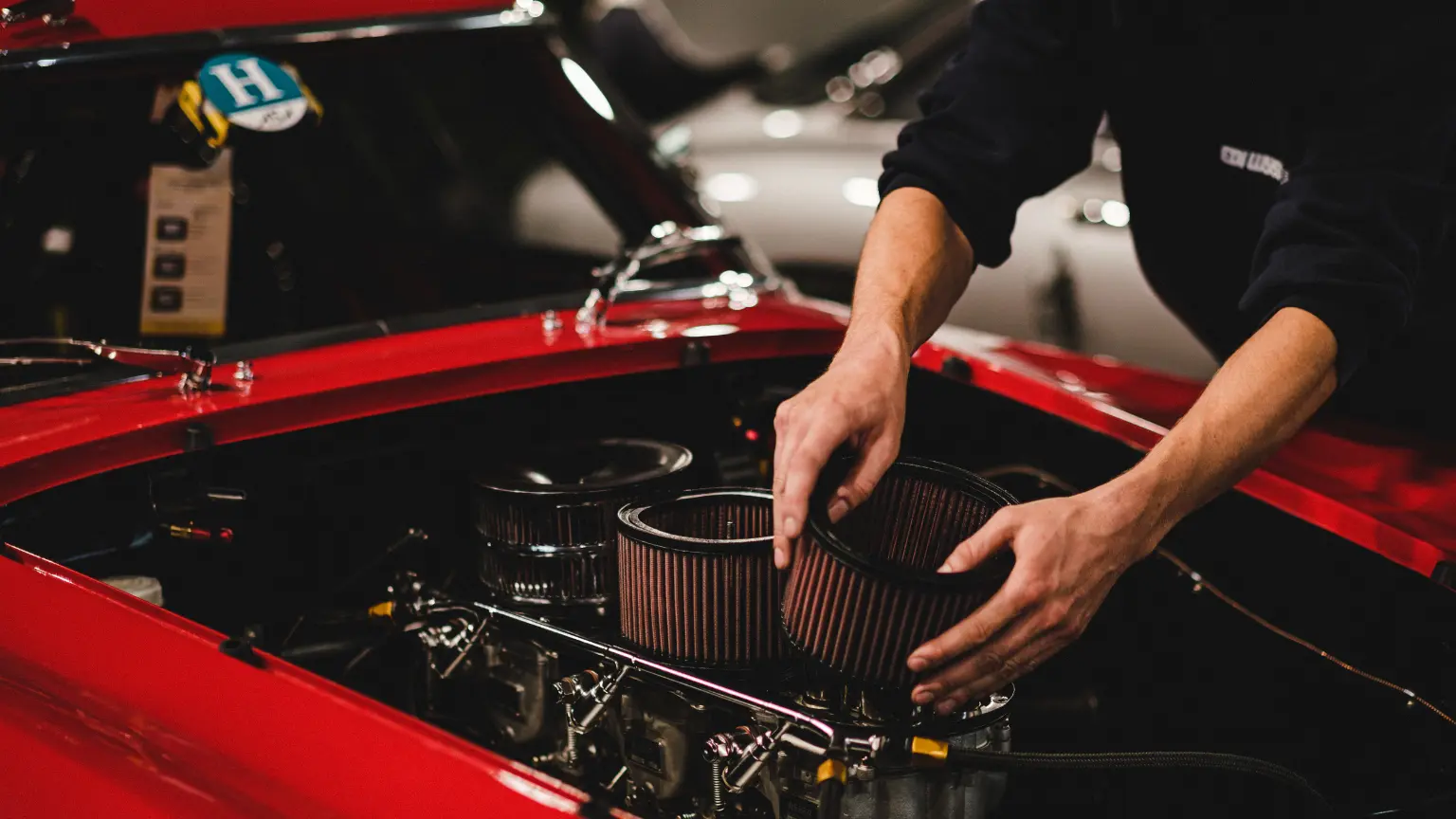
Transmission diagnostics is the process of identifying what’s wrong inside a vehicle’s transmission when it starts acting up. For any driver, discovering car transmission issues can be daunting. Maybe your car hesitates to shift gears on the highway, makes a strange grinding noise, or leaks red oil on the driveway. Rather than guessing what might be wrong, professionals rely on systematic diagnostics to pinpoint problems and recommend the right fix. In this article, we’ll explain the warning signs of transmission trouble and how experts approach diagnosing those problems.
Warning Signs of Transmission Trouble
Before any high-tech tools come out, the first step in gearbox troubleshooting is recognizing that something’s wrong. Transmissions usually give off warning signs when they’re struggling. Paying attention to these early transmission warning signs can save you from more damage down the road. Here are some common red flags:
- Delayed or Slipping Gears: If you press the accelerator and the engine revs but the car is slow to move or “slips” out of gear, that’s a major sign. The vehicle may hesitate before engaging in drive or reverse. Slipping can feel like the car is momentarily losing power or failing to stay in the intended gear.
- Unusual Noises: Transmissions often make distinct noises when there’s a problem. You might hear whining, humming, buzzing, or loud clunking and grinding sounds. A buzzing sound in neutral could hint at a failing torque converter, while grinding often points to worn clutch components in a manual. New or loud noises during gear changes are signs of transmission failure in the making.
- Burning Smell: An overheating transmission can produce a sharp, burnt odor. This often happens when transmission fluid is low or degraded, causing excessive friction. A burning smell combined with other symptoms should spur immediate attention.
- Fluid Leaks: Spotting a reddish oily fluid under your vehicle is a warning sign. Transmission fluid is typically red or pink and has a sweet or tart smell when in good condition. If you find such leaks on your driveway or garage floor, it indicates a seal or gasket problem. Losing fluid can quickly lead to serious damage, since the transmission relies on fluid for lubrication and hydraulic pressure.
- Dashboard Warning Light: Modern cars will illuminate a warning light (often the “Check Engine” light) if the onboard computer detects transmission issues. A transmission-related fault code will trigger a light if sensors pick up problems like slipping or overheating. While a warning light alone doesn’t confirm a transmission failure, it’s an important clue that should not be ignored.
- Shaking or Jerking: Healthy transmissions should shift smoothly. If your car shudders, jerks hard, or has violent shakes during gear changes or at certain speeds, that’s a red flag. This might feel like the car is bucking during acceleration or vibrating heavily at highway speeds, which could indicate issues like torque converter shudder or gear slipping.
- Difficulty Shifting: In manual transmissions, you might physically struggle to shift into gear, or the stick might unexpectedly pop out of gear. In automatics, the transmission might “hunt” between gears or refuse to upshift/downshift at the proper time. These behaviors suggest something is amiss internally.
Any transmission warning signs, such as delayed vehicle response, strange noises, fluid leaks, changes in fluid color or smell, or dashboard warning lights, should be taken seriously. The earlier you recognize these symptoms, the better your chance of addressing the issue before it leads to a major failure. Never ignore these signs, as “minor” transmission issues can quickly escalate into very costly repairs if left unchecked.
Common Causes of Transmission Failure
Understanding what causes transmission to fail can help you prevent problems and appreciate why diagnostics matter. Here are some of the most common causes of transmission problems or failure:
- Low or Dirty Fluid: One of the leading causes of transmission failure is letting the fluid run low or become badly contaminated. The transmission fluid lubricates moving parts, cools them, and provides hydraulic pressure for gear changes. Over time, fluid breaks down, gets dirty with clutch material or metal shavings, or can leak out. Insufficient or degraded fluid leads to poor lubrication and overheating, which causes excessive friction and internal wear. That’s why a regular transmission fluid check and change schedule is crucial for the health of your transmission.
- Overheating: Heat is the enemy of any mechanical system, and especially true for transmissions. Heavy loads put extra strain on the transmission. If the cooling system or auxiliary cooler can’t keep up, the transmission can overheat. Overheating not only breaks down the fluid, but also causes metal parts to expand and seals to harden or crack. This can trigger a cascade of failures. You might first notice a burning smell or erratic shifting when the transmission gets too hot.
- Normal Wear and Tear: Like brake pads or tires, transmissions have components that wear out over many miles. Automatic transmissions have clutch packs and bands that wear down; manual transmissions have a clutch that eventually wears out. Gears themselves can also wear, especially if the lubricants are old. High-mileage transmissions may start slipping, making noise, or shifting poorly simply due to age-related wear. While good maintenance extends their life, no transmission lasts forever. Recognizing when internal wear is causing issues is part of proper diagnostics.
- Electronic Failures: Modern automatics rely on electronics, like sensors, solenoids, and computers (Transmission Control Module) to operate. A failure in a small electronic component can cause big problems like improper shifting or failure to engage gears. A bad shift solenoid might prevent the transmission from changing gears when it should, or a faulty sensor could feed the wrong data to the computer. Sometimes what seems like a serious mechanical issue is actually an electronic glitch.
- Clutch and Torque Converter Problems: In manual cars, a worn-out clutch is a common culprit for transmission issues. Automatics don’t have a manual clutch but have a torque converter that can fail and mimic many transmission symptoms. A failing torque converter or a broken clutch plate can lead to immediate driving problems and potential damage if not addressed.
- Driving Habits and Load: How you drive greatly affects transmission longevity. Frequent hard acceleration, abrupt gear changes, towing heavy loads beyond your vehicle’s rating, or even off-roading can all strain the transmission. These habits generate extra heat and pressure. Over time, abusive use can cause premature failure. Aggressive driving might wear out clutch packs faster, and constant towing can overheat fluid and burn up gears. While transmissions are designed to handle a lot, pushing them to the extreme regularly will shorten their life.
Most transmission failures boil down to heat and friction, as well as normal wear. Keeping the fluid fresh, avoiding overworking the transmission, and fixing issues early all help prevent catastrophic failures.
How Professionals Diagnose Transmission Problems
Diagnosing a transmission is a bit like detective work. The technician will talk to you about what you’ve been experiencing. Your description of transmission issues provides valuable clues. Is there a shudder only when shifting into overdrive? Does the problem occur only after the car warms up, or only on hills? Providing details like these can help the mechanic narrow down possible causes. After discussing the symptoms, the technician will often do a quick initial check around the vehicle. This includes looking under the car for obvious leaks, checking that the transmission housing isn’t physically damaged, and sometimes even a quick test drive around the parking lot to immediately witness the issue. This step is basically gathering clues about your automatic transmission problems or manual issues before diving deeper.
The mechanic will locate the transmission dipstick and inspect the fluid level and condition. The fluid’s appearance and smell can speak volumes. If the fluid level is low, there’s likely a leak. If the fluid is dark brown or black and smells burnt, that indicates overheating and significant wear. Healthy fluid is usually bright red and has a somewhat sweet or petroleum smell. The technician may also check the fluid for contaminants, such as metal shavings or debris, which might indicate internal damage. In some cases, they might drain a little fluid or drop the transmission pan to see if there’s excessive metal sediment or fragments from broken parts. This fluid inspection often gives the first concrete evidence of what might be wrong. Low or dirty fluid alone can cause many transmission diagnostic trouble codes, so this step is essential before moving on to high-tech tests.
Modern vehicles are equipped with an onboard diagnostic computer (OBD-II) that monitors the performance of various systems, including the transmission. If something goes awry, the computer often stores fault codes. Mechanics will connect a diagnostic scan tool to the car’s OBD-II port to retrieve any stored codes related to the transmission. This digital auto transmission repair tool is incredibly useful, but keep in mind that a code by itself doesn’t give a full diagnosis. It’s just one piece of the puzzle. It points in a direction but doesn’t automatically tell the mechanic the exact part to change. Still, accessing these trouble codes is one of the quickest ways to narrow down potential causes.
After the preliminary checks and computer scan, a specialist will usually take the car for a road test. During a test drive, the technician will try to reproduce the conditions under which the issue occurs. They’ll observe how the transmission behaves during acceleration, deceleration, steady cruising, and uphill driving. They will be listening for noises and feeling for shudders or slips. For example, if you complained of a shudder at 50 mph, they’ll see if it happens and note whether it corresponds to a particular gear or torque converter lock-up. By following these steps, professionals systematically narrow down the source of transmission trouble. It’s a process of elimination combined with expertise.
Preventing Costly Transmission Repairs
By now, it’s clear that transmission problems should be addressed as soon as possible and with careful diagnosis. There are two big reasons for this: preventing further damage and avoiding unnecessary expenses. In fact, being proactive can be the difference between a minor fix and having to pay for the worst (a full rebuild or replacement). Getting problems diagnosed early, along with regular maintenance, is the key to keeping transmission repair shop bills in check and ensuring a more affordable transmission repair outcome.
A transmission will rarely fix itself, as problems tend to snowball. Accurate diagnostics help pinpoint that kind of issue early, so it can be fixed before it cascades into something worse. Simply put, the best transmission repair strategy is to catch and correct issues early, not later, when the damage has multiplied. This is where listening to those warning signs and getting a professional diagnostic check promptly is so important.
Equally critical is making sure the right problem is fixed. Transmissions are complicated, and an incorrect guess can be expensive. Imagine a scenario where a car isn’t shifting into third gear. Without proper diagnostics, one might assume the whole gearbox is shot and spend thousands on a rebuild, when in reality the cause was a faulty speed sensor or a bad solenoid. Misdiagnosing a transmission problem can lead to wasted time and money replacing parts that weren’t the issue at all. For instance, replacing a clutch when the real culprit is an electronic control module won’t solve the problem and just drains your wallet. Professional diagnostics ensure that any repairs target the true root cause and not just symptoms. This precision means you’re not paying for guesswork or trial-and-error part swaps.

It’s also worth noting that reputable transmission shops will perform thorough diagnostics first and give you a clear picture of what needs fixing, rather than jumping straight into costly repairs. Being proactive is the golden rule. At the first hint of trouble, get those transmission warning signs checked out. By doing so, you increase the chances of a simpler, more affordable transmission repair. It’s much better to replace a sensor or seal now than an entire transmission later. Accurate diagnostics and timely repairs go hand in hand with preventive maintenance to keep your transmission healthy and your costs down.
Why Choose a Transmission Specialist
You might wonder, can’t any auto mechanic work on a transmission? While general auto repair shops can handle many problems, transmissions are a unique beast. An automatic gearbox specialist is a mechanic with focused training and experience specifically in transmissions and drivetrains. Choosing a specialist can make a big difference in both diagnosis accuracy and the quality of repair. Trans Medic in Gresham, OR, is a dedicated transmission repair center with over 30 years of experience in auto transmission repair, and they focus exclusively on transmissions and driveline issues. That kind of focus means when you take your vehicle there, you know the team has likely seen your issue before and knows how to address it effectively.
Finding a Reputable Transmission Shop
Once you decide to seek out a specialist, the next step is finding the right shop to trust with your vehicle. Not all local transmission shops are equal. You’ll want a place known for honesty, expertise, and good customer service. Here are some tips to find transmission specialists online and in your area that you can feel confident about:
- Check Certifications and Experience: Look for shops that have certified transmission technicians. Certifications from organizations like ASE (Automotive Service Excellence) indicate formal training. Many reputable shops list their technicians’ certifications on their websites or in-store. A shop that has been around for decades or has veteran transmission techs is often a good sign.
- Read Reviews and Testimonials: One of the easiest ways to measure a shop’s reputation nowadays is through online reviews. Search for the shop on Google, Yelp, or specialized auto service review sites. Look specifically at feedback about their transmission work. Consistent positive comments about successful repairs, fair pricing, and customer service are encouraging. Keep an eye out for red flags in reviews, such as reports of unnecessary upselling or unresolved issues. You can also ask for referrals on car forums or community groups if you want personal anecdotes.
- Ask About Diagnostic Process and Fees: A good transmission shop will be transparent about how they diagnose problems. Don’t hesitate to call and ask what their transmission diagnostics process entails and if there’s a fee for the diagnostic. Many specialized shops offer free or low-cost diagnostic services. The key is that they should describe a thorough process rather than instantly quoting you a price for a new transmission without even seeing the car.
- In-Person Impressions: If possible, visit the shop. A well-organized, clean workshop with proper equipment and knowledgeable staff who communicate clearly is a positive sign. When you talk to the technician or service manager, do they explain things in a way you understand? Do they seem interested in your specific situation and ask questions about the symptoms? Trust your gut. You want to feel that they take your concerns seriously and aren’t just rushing to get your business.
- Warranty and Pricing: Inquire about warranty coverage on their transmission work. A confident, reputable transmission shops often provide a warranty on rebuilds or major repairs. This shows they stand behind their work. Regarding pricing, transmission repairs can be expensive, but a reputable shop will provide a clear written estimate and explain the charges. If something is unclear, they’ll clarify it.
Your vehicle’s transmission is vital and costly, so spending a bit of effort to find the right professionals is well worth it.
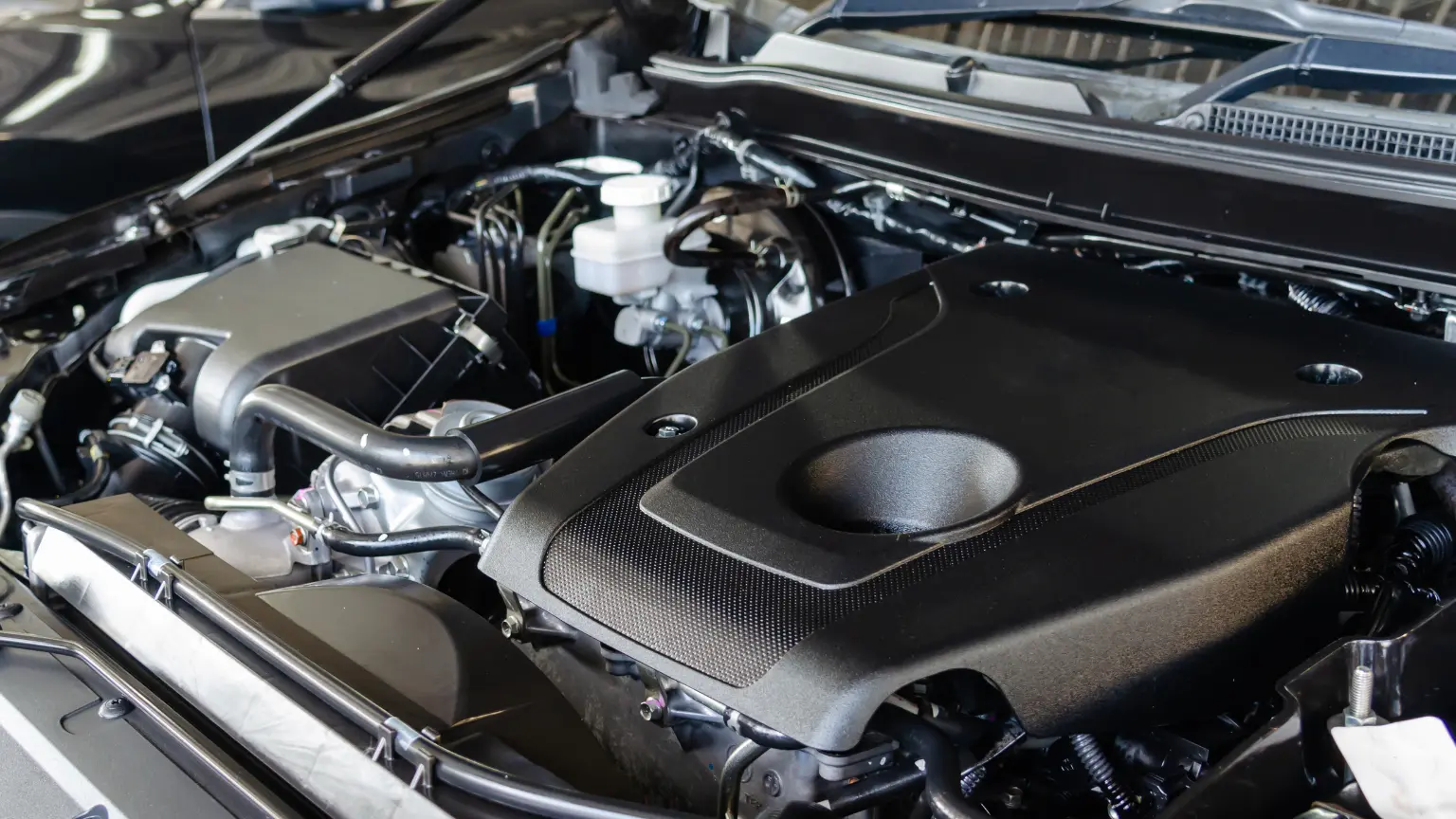
Transmissions are best handled by those who specialize in them. Whether it’s an automatic gearbox specialist for your modern sedan or an experienced tech for your manual truck, choosing the right expert gives you peace of mind. They have the knowledge, tools, and experience to get the diagnosis and repair done right. If your car is showing transmission trouble, don’t ignore it or panic. Take it to a trusted transmission shop, get a clear diagnosis, and you’ll be on your way to a solution. With early attention and the right professionals in your corner, even serious transmission issues can be resolved, and your vehicle can keep running smoothly for many miles ahead.
Sources
- motorist.org Motorist Assurance Program – How Do You Diagnose a Bad Transmission? (signs of transmission issues)
Follow a maintenance program
Ante gravida id aenean quis egestas risus nam amet nullam leo diam diam aliquam eu eu malesuada arcu rhoncus suspendisse nulla mattis ut amet sagittis in justo egestas.
search for a trusted mechanic
Lorem ipsum dolor sit amet, consectetur adipiscing elit lobortis arcu enim urna adipiscing praesent velit viverra sit semper lorem eu cursus vel hendrerit elementum morbi curabitur etiam nibh justo, lorem aliquet donec sed sit mi dignissim at ante massa mattis.
- Neque sodales ut etiam sit amet nisl purus non tellus orci ac auctor
- Adipiscing elit ut aliquam purus sit amet viverra suspendisse potent
- Mauris commodo quis imperdiet massa tincidunt nunc pulvinar
- Excepteur sint occaecat cupidatat non proident sunt in culpa qui officia
Check the air pressure in your tires
Vitae congue eu consequat ac felis placerat vestibulum lectus mauris ultrices cursus sit amet dictum sit amet justo donec enim diam porttitor lacus luctus accumsan tortor posuere praesent tristique magna sit amet purus gravida quis blandit turpis.
Review your suspension frequently
At risus viverra adipiscing at in tellus integer feugiat nisl pretium fusce id velit ut tortor sagittis orci a scelerisque purus semper eget at lectus urna duis convallis. porta nibh venenatis cras sed felis eget neque laoreet suspendisse interdum consectetur libero id faucibus nisl donec pretium vulputate sapien nec sagittis aliquam nunc lobortis mattis aliquam faucibus purus in.
- Neque sodales ut etiam sit amet nisl purus non tellus orci ac auctor
- Adipiscing elit ut aliquam purus sit amet viverra suspendisse potent
- Mauris commodo quis imperdiet massa tincidunt nunc pulvinar
- Excepteur sint occaecat cupidatat non proident sunt in culpa qui officia
Service your vehicle as regularly as posible
At risus viverra adipiscing at in tellus integer feugiat nisl pretium fusce id velit ut tortor sagittis orci a scelerisque purus semper eget at lectus urna duis convallis. porta nibh venenatis cras sed felis eget neque laoreet suspendisse interdum consectetur libero id faucibus nisl donec pretium vulputate sapien nec sagittis aliquam nunc lobortis mattis aliquam faucibus purus in.
“Nisi quis eleifend quam adipiscing vitae aliquet bibendum enim facilisis gravida neque velit euismod in pellentesque”
Conclusion
Eget lorem dolor sed viverra ipsum nunc aliquet bibendum felis donec et odio pellentesque diam volutpat commodo sed egestas aliquam sem fringilla ut morbi tincidunt augue interdum velit euismod eu tincidunt tortor aliquam nulla facilisi aenean sed adipiscing diam donec adipiscing ut lectus arcu bibendum at varius vel pharetra nibh venenatis cras sed felis eget.