Transmission Components Explained: From Torque Converters to Solenoids
Learn the key components of an automatic transmission, including the torque converter, planetary gears, solenoids, and valve body. Understand how these parts work together and why proper maintenance matters.
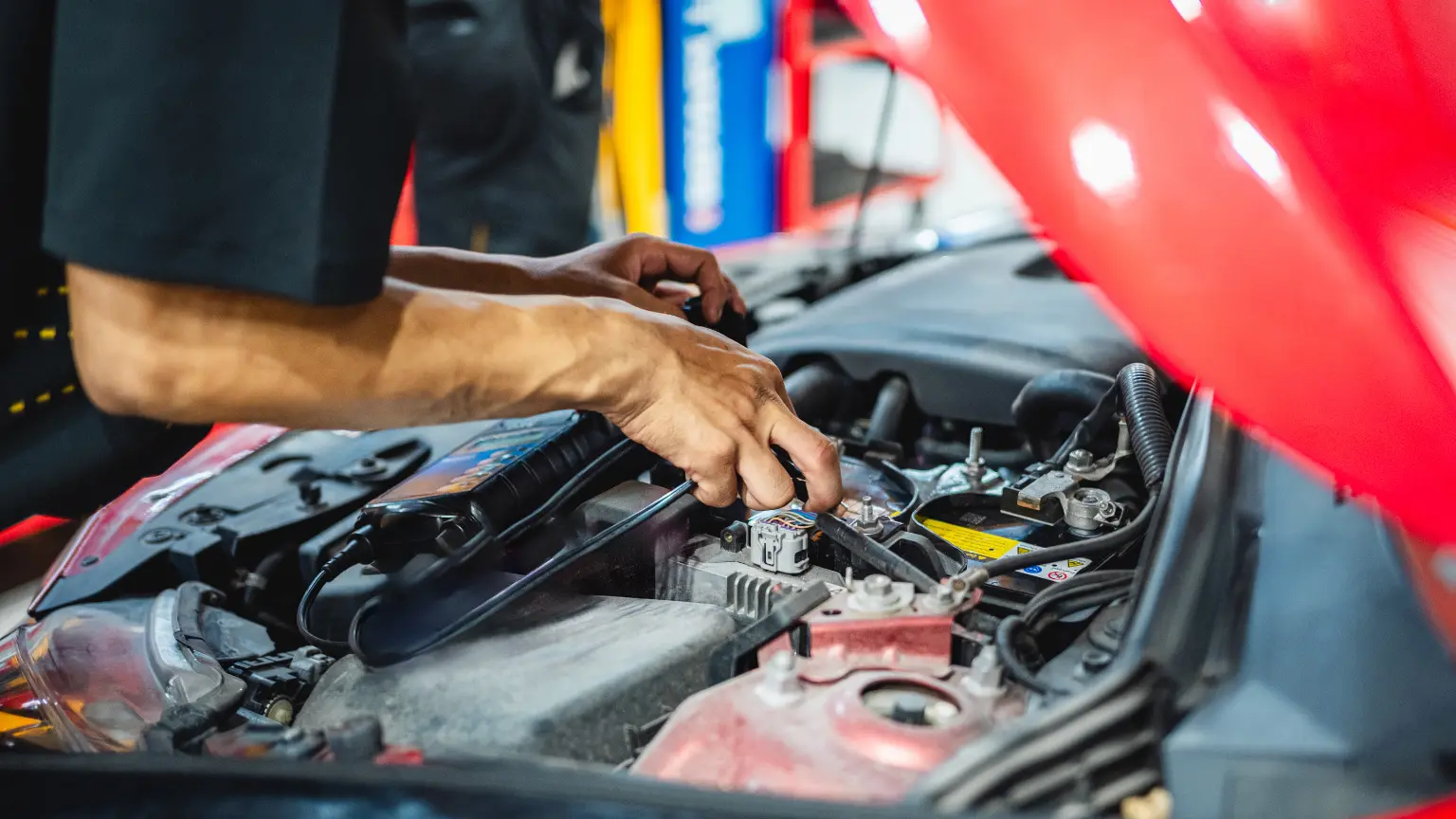
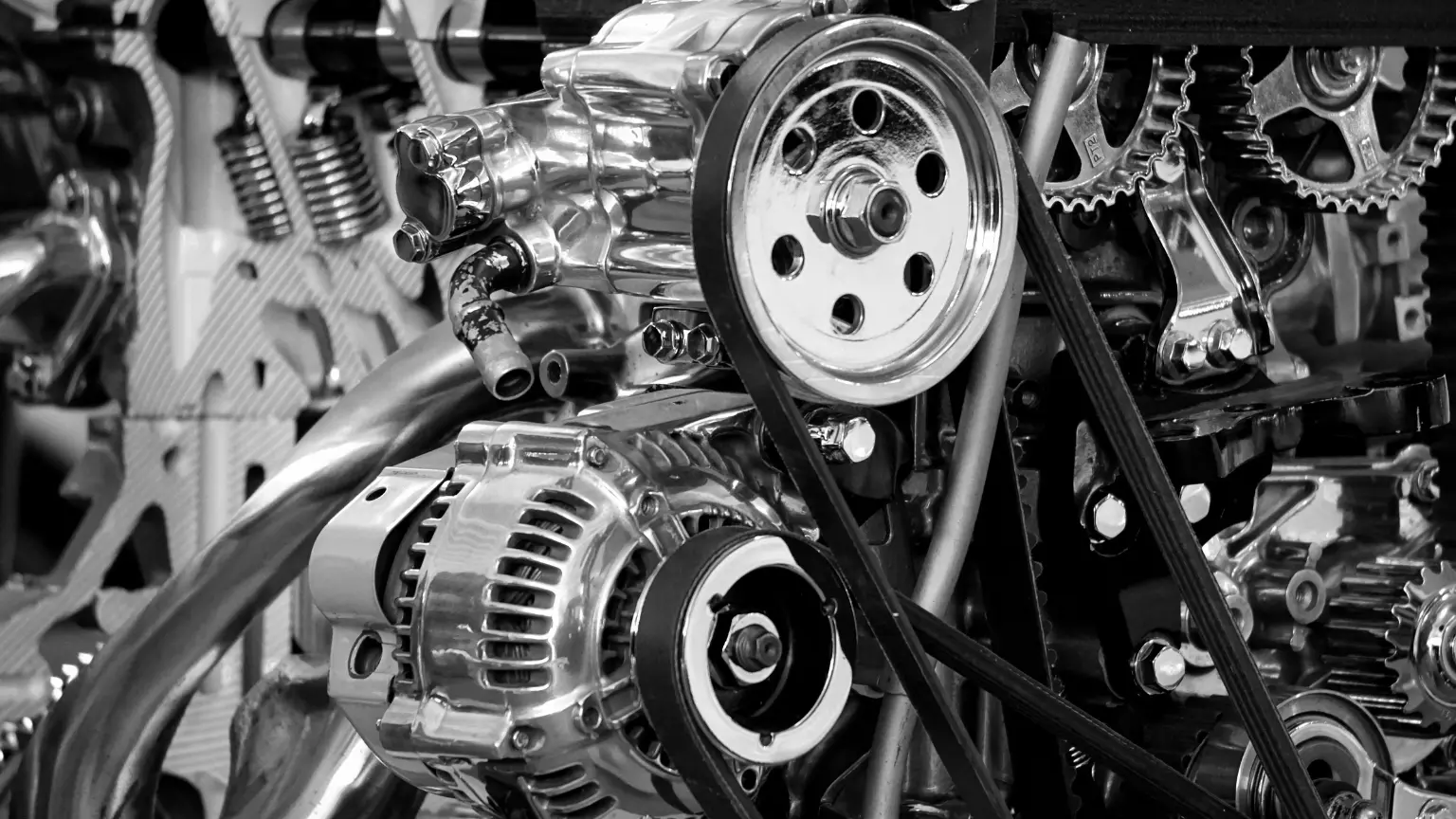
Understanding how a car’s transmission works starts with knowing its key transmission components. The transmission’s job is to transfer power from the engine to the drive wheels through a system of gears and clutches. Both manual and automatic transmissions contain many parts that work together in precise ways. In an automatic, components like the torque converter, planetary gears, clutches, bands, solenoids, and valve body all play specific roles in delivering power smoothly. If you look at a car transmission diagram, you can see how these parts fit together inside the transmission housing. By breaking down the main automatic gearbox parts and their functions, we can better appreciate how power flows and how issues might arise.
Torque Converter: How It Works and Its Function
In an automatic transmission car, the torque converter takes the place of a manual clutch. It’s essentially a fluid coupling that connects the engine and transmission, allowing the engine to keep running even when the car is not moving. The core torque converter function is to transfer engine torque to the transmission input while providing a degree of slip so the vehicle can come to a stop without stalling the engine. The torque converter is mounted between the engine and the transmission, filled with transmission fluid. Inside its round metal housing are three main internal parts: the impeller, the turbine, and the stator, along with the fluid itself. When the engine turns the impeller, it slings fluid onto the turbine’s blades, causing the turbine to spin. This is how engine power gets transmitted to the gearbox without a direct mechanical clutch.
At idle or low engine speeds, the fluid coupling is weak. The engine can turn without strongly turning the transmission. This is why an automatic car can idle in gear at a stop with only light brake pressure. However, when you press the accelerator, the engine spins faster, and the impeller pumps more fluid. The increased fluid flow puts more torque on the turbine, thus turning the transmission and moving the car. The stator, located in the center of the torque converter, redirects fluid flow to improve efficiency and provide torque multiplication at low speeds. Many torque converters also have a torque converter clutch (TCC) mechanism that locks the converter at highway speeds for better efficiency.
One benefit of a torque converter is smooth power delivery. It automatically handles engagement of the drivetrain without any input from the driver. Like any component, it has limitations. Torque converters can generate heat in the transmission fluid and may feel less direct than a manual clutch. Common signs of torque converter trouble include shuddering at certain speeds, slipping, or excessive heat. If problems are severe, the converter may need to be repaired or replaced. Fortunately, torque converters are durable. With proper fluid maintenance, they often last a long time. Understanding the torque converter’s role is fundamental to grasping how an automatic transmission functions.
Torque Converter vs. Clutch – Manual vs. Automatic Connection
A frequent question is how a torque converter compares to a traditional clutch in a manual transmission. When comparing torque converter vs. clutch designs, the purpose is similar. Both connect and disconnect the engine from the transmission, but they do so in different ways. In a manual transmission, a clutch is a mechanical friction disc that the driver engages or disengages via a pedal. By pressing the clutch pedal, the driver separates the engine from the gearbox to change gears or stop the car without stalling. In an automatic transmission, there is no foot pedal or manual action. Instead, the fluid coupling of the torque converter handles this connection automatically.
From a maintenance perspective, clutches in manual cars wear out over time. In contrast, torque converters are maintenance-free but require clean transmission fluid. If the fluid is neglected or overheats, the torque converter can suffer. An automatic transmission might even require a converter rebuild or replacement. While manual clutches are relatively easy to replace on their own, a failing torque converter often means removing the entire transmission for service. Each system has its pros and cons, but both are critical transmission components for their respective transmission types. If a manual gearbox fails internally, sometimes installing a rebuilt manual transmission is the remedy. Automatics might require a full rebuild of the unit, including its torque converter.
Planetary Gear Sets: The Heart of an Automatic Gearbox
Inside an automatic transmission, gear ratios are achieved through clever gear arrangements known as planetary gear sets. These are among the most important transmission system parts because they provide multiple gear ratios in a compact package. A planetary gear set consists of three main elements:
- A central sun gear
- Several planet gears that rotate around the sun
- An outer ring gear with internal teeth that meshes with the planet gears
All these parts can rotate and be either driven or held. By holding or releasing different members of this set, the transmission can produce different output speeds and torques. The design is called “planetary” because the planet gears orbit around the sun gear, similar to planets around a sun, inside the ring gear. A ring gear surrounds both the central and planet gears in this setup.
If the sun gear is held stationary and the planet carrier is driven by the engine, the ring gear might turn in reverse relative to the input. This produces the reverse gear in many automatics. In another scenario, if the ring gear is held and the sun gear is driven, the planets will force the carrier to turn, yielding a forward gear reduction. By altering which element is locked or free, different gear ratios are obtained. Automatic transmissions often have multiple planetary sets combined to get the full range of gears. Despite the complex outcome, the principle remains: planetary gearsets offer a wide range of gear ratios in a relatively small space, which is why they’re used in virtually all conventional automatic transmissions.
To control the gear changes, automatic transmissions use internal clutch packs and bands. These are friction components that can lock specific gears or shafts in the planetary set. A clutch pack can lock two parts together when hydraulic pressure is applied, while a band is a metal strap with friction lining that can tighten around a drum to hold it stationary. When you put an automatic transmission in “Drive,” a specific combination of clutches and bands engages to select 1st gear.
As you accelerate, the transmission’s hydraulic system releases and applies other clutches/bands in sequence, shifting to 2nd, 3rd, and so on. All of this happens automatically and nearly instantaneously. Because of these planetary gears and their associated clutches, automatics can shift smoothly through many ratios without driver input. These gear mechanisms are robust but can wear out over very high mileage or abusive use. Worn clutch packs can lead to transmission slipping because the clutches aren’t holding the gears firmly. Bands can stretch or burn out as well, causing loss of certain gears.
Shift Solenoids: Electronic Valves and Common Problems
Modern automatics don’t rely solely on hydraulics and mechanics; they are also controlled by electronics. Transmission solenoids are small electromechanical valves that open or close to route hydraulic fluid through the valve body to the clutches and bands. Each solenoid receives electrical signals from the transmission control module telling it when to activate. By doing so, the solenoids control which gear the transmission shifts into by regulating fluid pressure to the right circuits. A transmission solenoid is an electro-hydraulic valve that directs fluid flow within the transmission, enabling smooth gear changes. These solenoids are usually mounted in the valve body or sometimes in a separate solenoid pack. They react in milliseconds, enabling precise control of gear shifts based on speed, throttle position, and other inputs.
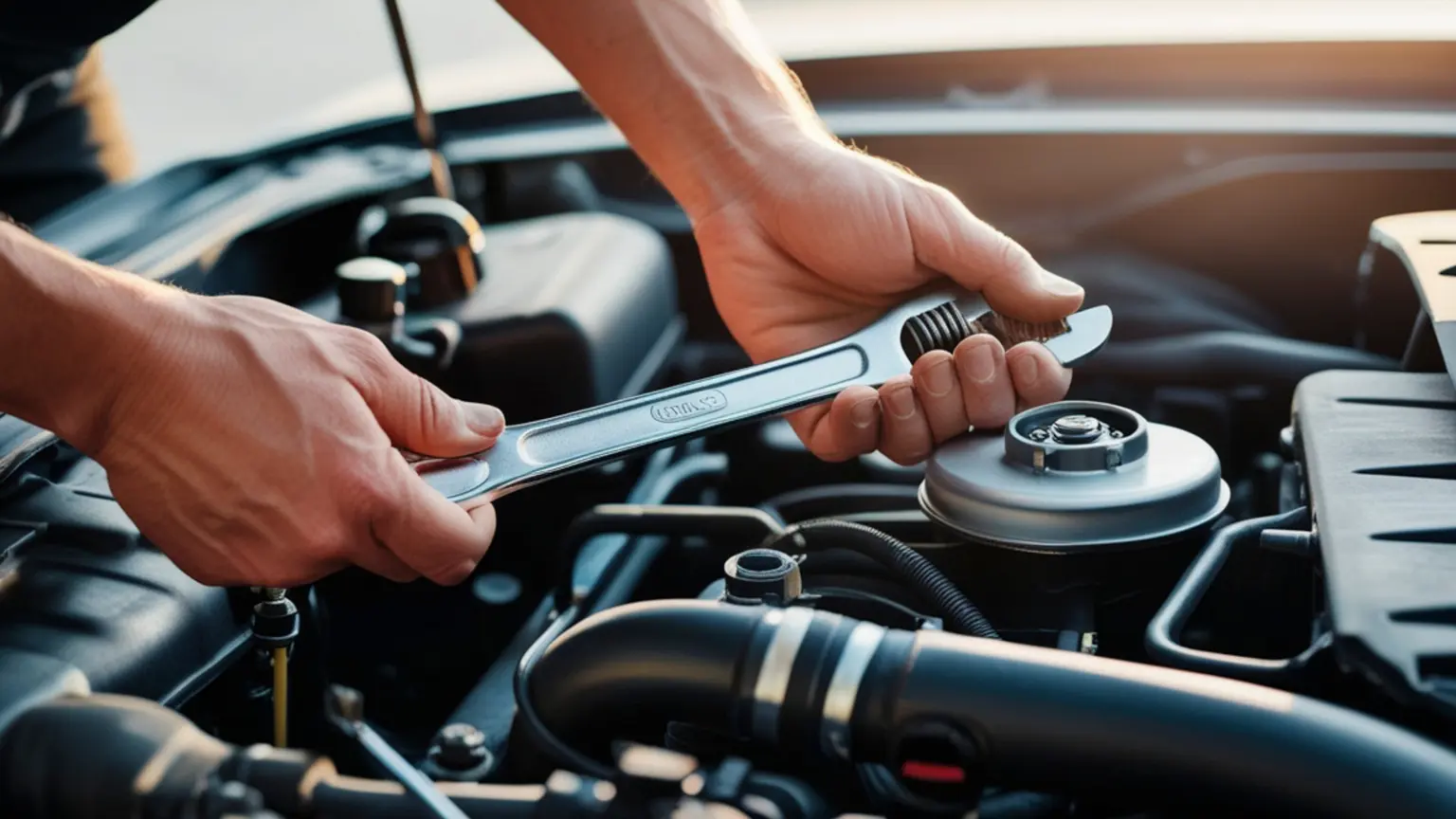
Like any electronic component, solenoids can fail or malfunction. When a solenoid sticks closed, sticks open, or simply doesn’t respond properly, the transmission will have trouble executing shifts. Common transmission solenoid problems include delayed or harsh gear shifting, failure to shift into certain gears, or getting stuck in a single gear. One of the most common symptoms of a bad shift solenoid is noticeably delayed or rough gear changes. You might press the gas and feel the car hesitate or jerk into the next gear. Another symptom is if the transmission won’t upshift or downshift at all, as if it’s locked in one gear; this can happen if a solenoid fails and fluid can’t reach the necessary clutch pack. You might also experience the transmission staying in a low gear or defaulting to second or third gear, accompanied by a check engine light.
Solenoid issues can be caused by electrical problems or by dirty fluid, causing the solenoid valve to stick. Often, a diagnostic scan tool can retrieve trouble codes (like P0750-P0770 range) that indicate which solenoid circuit is malfunctioning. Minor solenoid problems can sometimes be resolved by changing the transmission fluid and filter. The faulty solenoid must be replaced. Fortunately, solenoids are usually accessible by dropping the transmission oil pan and valve body. Still, given the importance of proper operation, it’s usually a job for a skilled technician or automatic gearbox mechanic. Regular fluid changes can help prevent solenoid issues by keeping passages clean.
Transmission Valve Body: The Hydraulic Control Center
The transmission valve body is often described as the brain of an automatic transmission’s hydraulic control system. This maze-like component lives inside the transmission and is crisscrossed with fluid channels. The transmission valve body is a major component that contains numerous passages, check balls, and spring-loaded valves. It’s essentially a control center filled with valves, passages, and solenoids that distribute transmission fluid where it needs to go in order to shift gears. When a particular gear is needed, the valve body directs pressurized fluid to the appropriate clutch pack or band servo, causing that gear to engage.
Inside the valve body, you’ll find various valve mechanisms like shift valves, pressure regulator valves, and accumulators. As you accelerate, the transmission’s computer determines when to shift. It then signals the correct solenoid valves to open or close, which routes fluid through the intricate “worm tracks” of the valve body to engage the next gear. Each passage in the valve body corresponds to a different clutch or band. Accumulators are also used to cushion the engagement, preventing shifts from feeling too harsh by momentarily absorbing pressure spikes.
Valve bodies are made of cast aluminum or iron, and over time, they can wear out or get contaminated. Symptoms of a bad valve body overlap with solenoid issues: hard shifting, delayed shifting, or even loss of certain gears. Because the valve body contains many moving valves and passages, dirt or varnish in the fluid can make valves stick. Additionally, the channels can wear larger, causing pressure leaks. In some cases, a failing valve body can cause the transmission to slip or the torque converter clutch to engage at the wrong times. If diagnosed, the solution might be cleaning or rebuilding the valve body, or in worst cases, transmission valve body replacement with a new or remanufactured unit. Replacing a valve body is a complex task. The part itself is expensive, and it requires careful assembly and calibration. Only a specialized transmission shop will tackle this kind of repair.
Maintenance and Repair of Transmission Components
Automatic transmissions are among the most complex parts of a vehicle, and proper maintenance is key to keeping them working smoothly. One critical aspect of care is auto transmission service. This typically means changing the transmission fluid at the recommended intervals. Fresh fluid ensures proper lubrication, cooling, and hydraulic function for all the parts we discussed. Most vehicle manufacturers suggest an automatic transmission fluid change somewhere around every 60,000 to 100,000 miles. Replacing the fluid periodically helps remove wear debris and replenishes the additives that protect the transmission’s internals. It’s a relatively small maintenance task that can greatly extend the life of your transmission.
Despite good maintenance, transmissions can still develop problems as they age. If you notice warning signs, it’s wise to have the vehicle inspected by a professional. Many general auto repair and transmission shops can handle basic transmission maintenance, like fluid changes or replacing external sensors. However, for more serious issues, you might need a dedicated automatic transmission repair shop or specialist. This is because diagnosing internal transmission problems and performing rebuilds require very specialized skills. A transmission specialist has the expertise and equipment to tear down and reassemble a transmission, something most general mechanics don’t do on a regular basis.
When a transmission fails or has major wear, the repair often involves rebuilding or replacing the unit. In a rebuild, the technician will open up the transmission, replace all the worn transmission parts like clutch plates, seals, gaskets, and any damaged hard parts, then reassemble it to factory specifications. A good rebuild can restore the transmission to like-new function. Some shops also offer remanufactured transmissions. In the case of manual transmissions, it’s sometimes cost-effective to install a rebuilt manual transmission if the old one has serious internal damage. For automatics, rebuilds are common; a reputable transmission rebuild shop will even upgrade certain known weak components during the process for longevity.
Choosing the right people to work on your transmission is important. Look for the best transmission rebuilders or repair specialists in your area with certifications (like ASE), experience, and good reviews. They should stand by their work with a warranty. For example, Trans Medic Transmissions is a U.S.-based transmission specialist known for quality service and expertise in rebuilding both automatic and manual gearboxes. A top-notch shop can accurately diagnose whether your issue can be fixed with a smaller repair or if a full overhaul is needed. It’s often not a DIY job, given the complexity of transmissions and the heavy equipment required to remove and install them.
Transmission components are all about managing power and speed. They take the engine’s output and cleverly manipulate it so that your car can crawl in traffic or cruise on the highway with equal ease. So the next time you shift into Drive or hear your automatic gearbox change gears, you’ll recognize the unseen ballet of fluid, gears, and electronic commands at work. Keeping those components well-maintained will ensure your transmission remains healthy, delivering power reliably whenever you hit the road.
Sources
- How Torque Converters Work – HowStuffWorks auto.howstuffworks.com
- Torque converter – Wikipedia en.wikipedia.org
- What’s a Planetary Gear, and How Does It Work? – The Drive thedrive.com
- Symptoms of a Bad Transmission Shift Solenoid – AutoZone autozone.com
- Transmission Valve Body: What it Is, How it Works, and More – CarParts.com
- How to Check and Maintain Your Transmission Fluid – AAA acg.aaa.com
Follow a maintenance program
Ante gravida id aenean quis egestas risus nam amet nullam leo diam diam aliquam eu eu malesuada arcu rhoncus suspendisse nulla mattis ut amet sagittis in justo egestas.
search for a trusted mechanic
Lorem ipsum dolor sit amet, consectetur adipiscing elit lobortis arcu enim urna adipiscing praesent velit viverra sit semper lorem eu cursus vel hendrerit elementum morbi curabitur etiam nibh justo, lorem aliquet donec sed sit mi dignissim at ante massa mattis.
- Neque sodales ut etiam sit amet nisl purus non tellus orci ac auctor
- Adipiscing elit ut aliquam purus sit amet viverra suspendisse potent
- Mauris commodo quis imperdiet massa tincidunt nunc pulvinar
- Excepteur sint occaecat cupidatat non proident sunt in culpa qui officia
Check the air pressure in your tires
Vitae congue eu consequat ac felis placerat vestibulum lectus mauris ultrices cursus sit amet dictum sit amet justo donec enim diam porttitor lacus luctus accumsan tortor posuere praesent tristique magna sit amet purus gravida quis blandit turpis.
Review your suspension frequently
At risus viverra adipiscing at in tellus integer feugiat nisl pretium fusce id velit ut tortor sagittis orci a scelerisque purus semper eget at lectus urna duis convallis. porta nibh venenatis cras sed felis eget neque laoreet suspendisse interdum consectetur libero id faucibus nisl donec pretium vulputate sapien nec sagittis aliquam nunc lobortis mattis aliquam faucibus purus in.
- Neque sodales ut etiam sit amet nisl purus non tellus orci ac auctor
- Adipiscing elit ut aliquam purus sit amet viverra suspendisse potent
- Mauris commodo quis imperdiet massa tincidunt nunc pulvinar
- Excepteur sint occaecat cupidatat non proident sunt in culpa qui officia
Service your vehicle as regularly as posible
At risus viverra adipiscing at in tellus integer feugiat nisl pretium fusce id velit ut tortor sagittis orci a scelerisque purus semper eget at lectus urna duis convallis. porta nibh venenatis cras sed felis eget neque laoreet suspendisse interdum consectetur libero id faucibus nisl donec pretium vulputate sapien nec sagittis aliquam nunc lobortis mattis aliquam faucibus purus in.
“Nisi quis eleifend quam adipiscing vitae aliquet bibendum enim facilisis gravida neque velit euismod in pellentesque”
Conclusion
Eget lorem dolor sed viverra ipsum nunc aliquet bibendum felis donec et odio pellentesque diam volutpat commodo sed egestas aliquam sem fringilla ut morbi tincidunt augue interdum velit euismod eu tincidunt tortor aliquam nulla facilisi aenean sed adipiscing diam donec adipiscing ut lectus arcu bibendum at varius vel pharetra nibh venenatis cras sed felis eget.