Torque Converter Replacement: When It’s Essential
Learn the most common signs of a bad torque converter, what causes failure, when replacement is needed, and how early diagnosis can prevent major transmission damage
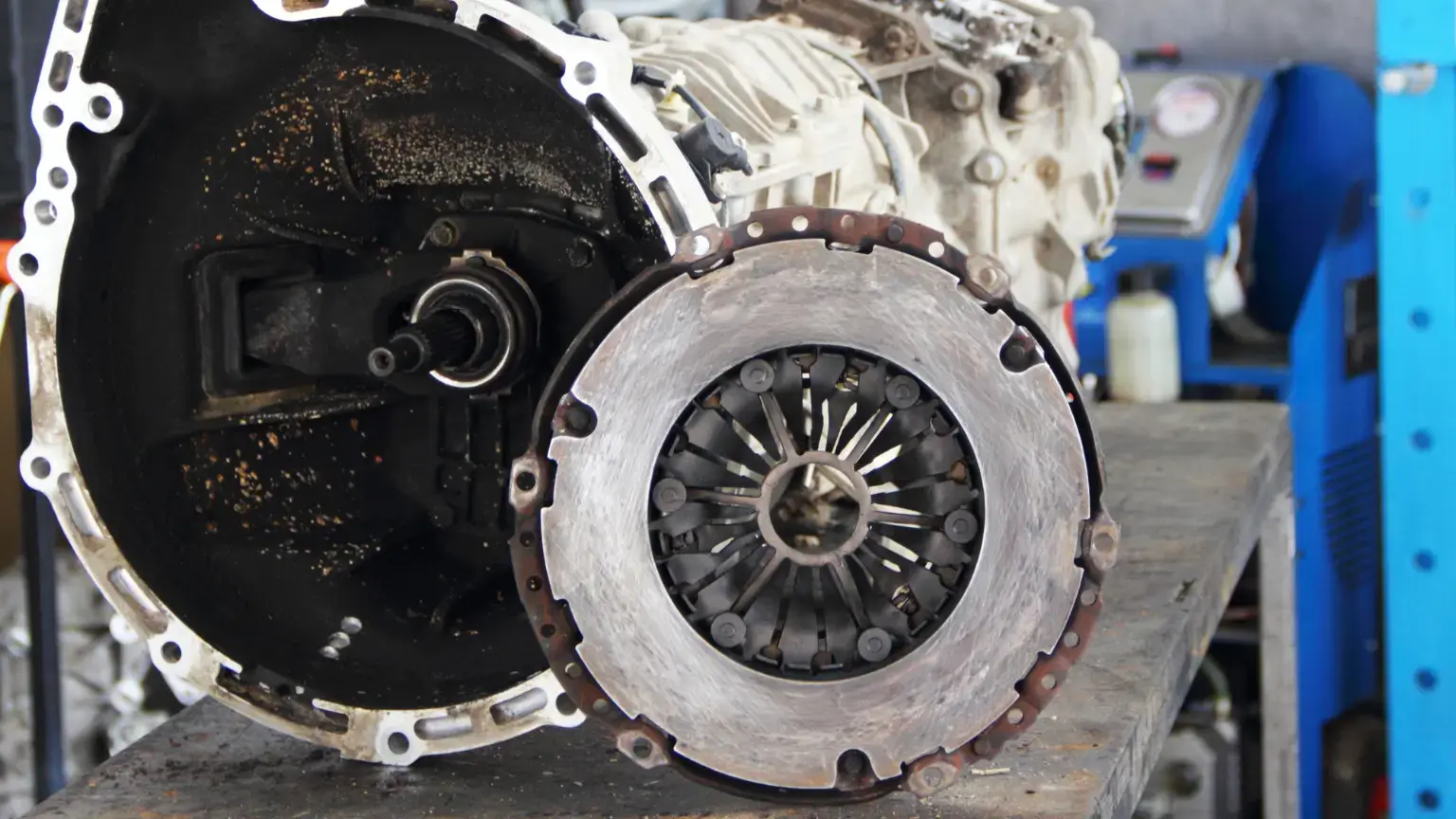
The torque converter is a critical component of your vehicle’s automatic transmission, and when it fails, it can lead to serious transmission damage. A bad torque converter is often one of the most common transmission problems seen by repair shops. When it fails, it often causes additional internal damage to the transmission. Recognizing the warning signs early is vital. In this article, we’ll explain the telltale torque converter symptoms and what to do about them.
Understanding the Torque Converter
In an automatic vehicle, the torque converter serves a similar role to a clutch in a manual car. It is a type of fluid coupling between the engine and the transmission that allows the engine to keep running while the vehicle is stopped, and smoothly transmits power when you accelerate. Inside the converter’s round metal housing are the impeller (pump), turbine, stator, and transmission fluid. When the engine spins the impeller, fluid is flung onto the turbine, which spins and sends power to the transmission. The stator redirects fluid flow to maximize torque, especially at low speeds. This design lets the car come to a stop without stalling and multiplies torque when you first move from a stop.
The torque converter is what enables your automatic transmission to shift gears and deliver power seamlessly. Without a properly functioning converter, the transmission cannot operate correctly. A failing converter will disrupt this smooth power transfer, often masquerading as general automatic gearbox problems in the vehicle’s performance. Understanding how this component works sets the stage for recognizing when something is wrong.
Signs and Symptoms of a Bad Torque Converter
There are several bad torque converter signs that drivers should watch out for. Torque converter issues often feel like broader automatic transmission issues, because the converter directly affects transmission behavior. Below are some of the most common symptoms:
- Transmission Slipping Signs: One of the classic slipping transmission symptoms is when your engine’s RPMs surge, but the car doesn’t accelerate accordingly. You might press the gas and see the tachometer climb, yet the vehicle feels sluggish or hesitates. This slipping typically means the torque converter isn’t effectively transmitting power to the wheels. It can occur during gear changes or while climbing hills, and it often indicates internal converter wear or a failing lock-up clutch.
- Torque Converter Shudder: A torque converter shudder is a unique vibration that typically occurs at moderate speeds (around 30–50 mph) when the converter clutch tries to engage. It may feel like you’re driving over rumble strips or rough pavement, even on a smooth road. This shuddering is a telltale sign of torque converter failure and should not be ignored. It often starts as a mild intermittent tremor and grows more pronounced over time. If you notice vibrations or shaking during light acceleration or steady cruising, the torque converter is a likely culprit.
- Overheating Transmission: An overheating transmission can sometimes be traced back to a bad torque converter. A failing converter may slip excessively, generating excess heat in the transmission fluid. You might notice your dashboard’s transmission temperature warning light, a warning chime, or even a burnt odor from the fluid. Overheating is dangerous because heat breaks down transmission fluid and can damage many components. If your transmission runs hot, a faulty torque converter could be one cause of this transmission troubleshooting headache.
- Strange Noises: Unusual sounds from the transmission area can indicate torque converter problems. Listen for a whining noise, similar to a power-steering whine, that might arise from a bad bearing in the converter. Grinding or rattling noises could indicate that the converter's internal fins or the stator are damaged or worn. Often, these noises are most noticeable when the vehicle is in gear at low speeds or when accelerating. While strange transmission noises can have many sources, a failing torque converter is a known cause of such sounds.
- Delayed or Harsh Shifting: If your automatic gearbox hesitates to shift into gear or shifts with a hard shudder, the torque converter could be to blame. A damaged converter may not build fluid pressure quickly, leading to a delay when you put the car in Drive or Reverse. You might experience a long pause followed by a jarring thunk as the gear finally engages. You might feel erratic or harsh shifts while driving because the converter isn’t smoothing out the power transfer. These behaviors not only make driving unpleasant but can also put extra stress on other transmission parts.
- Stalling at Idle or Rough Idling: In some cases, a bad torque converter can cause the engine to stall when coming to a stop or make the vehicle shake at idle. Inside most torque converters is a lock-up clutch that engages at highway speeds for efficiency. If that clutch sticks “on” due to a failure, it’s like failing to push in the clutch pedal on a manual car. The engine can stall when you stop. Rough idling and stalling can be a strong indicator that the torque converter isn’t disengaging as it should.
- Transmission Fluid Issues: Your transmission fluid’s condition can also hint at converter troubles. If you check the fluid and find it dark, burnt-smelling, or full of debris, it suggests internal damage. A failing torque converter can shed metal particles as its components wear out, contaminating the fluid. Additionally, a bad converter may lead to transmission fluid leaks from the front of the transmission if its seal is damaged. Any unusual fluid condition or leak is a warning sign to get the transmission inspected promptly.
Any combination of these transmission slipping signs and other symptoms is cause for concern. The moment you detect one or more of these warning signs, it’s wise to have a professional assess your vehicle.
What Causes Torque Converter Failure?
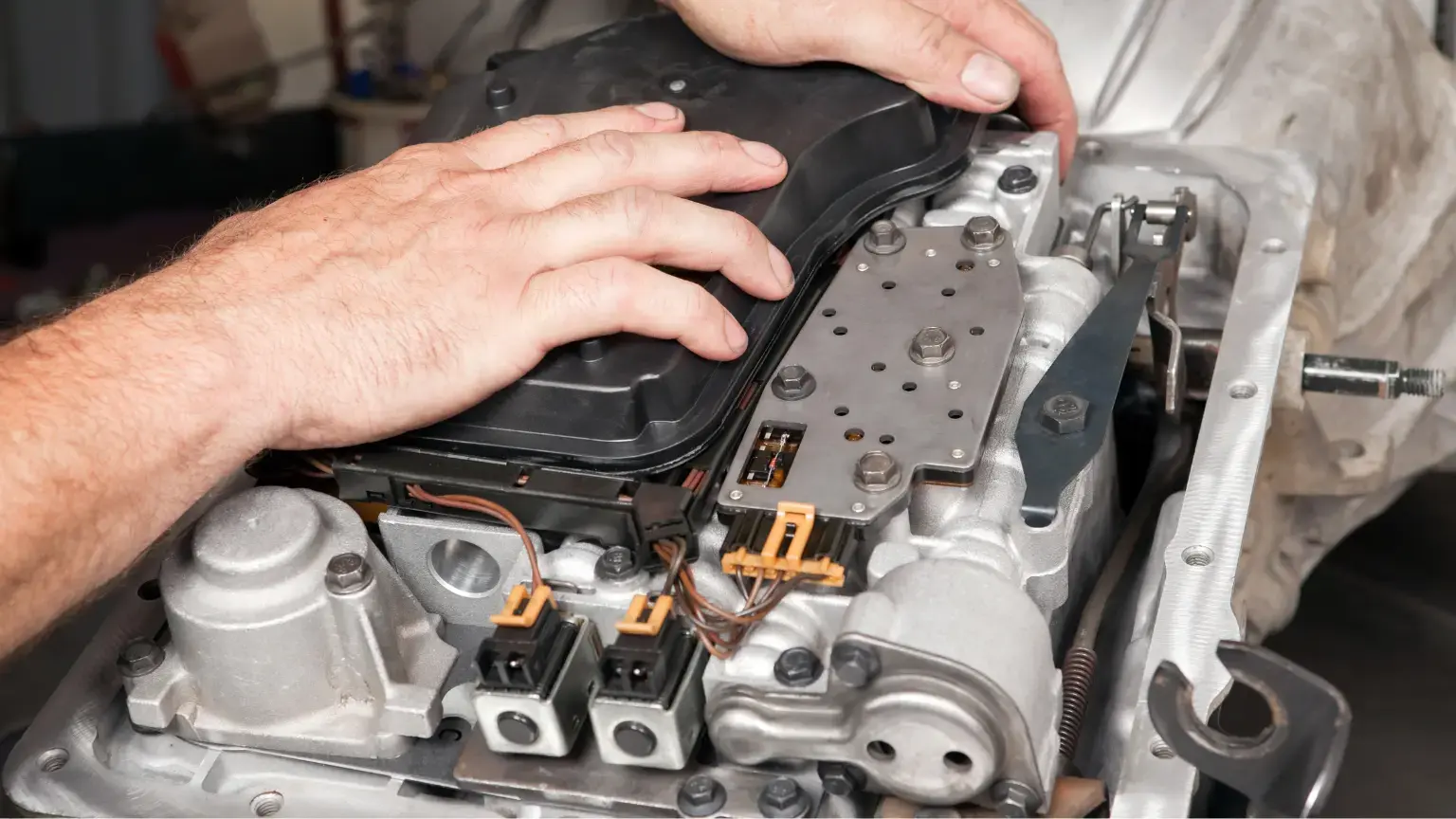
Understanding what causes torque converter failure can help you prevent it. Torque converters fail due to wear and tear or stress on their internal components. Low, dirty, or contaminated transmission fluid is a top cause of converter issues. The torque converter relies on clean ATF (automatic transmission fluid) for both lubrication and the hydraulic pressure needed to transmit power. If the fluid level drops or the fluid breaks down and becomes gritty, the internal bearings and clutch surfaces in the converter wear out faster. Running on old or burned fluid can lead to overheating and the deterioration of seals and friction materials.
Neglect is often a root cause behind many converter failures. Not changing the transmission fluid at the recommended intervals will allow contaminants and friction material to build up. Ignoring early signs of trouble means the converter continues to operate under stress until a minor issue becomes a major failure. Sometimes, external factors like a clogged transmission filter or a failing solenoid can starve the converter of fluid or proper pressure, causing damage. Lack of maintenance and not addressing automatic transmission issues promptly can set the stage for the torque converter to fail.
When to Replace the Torque Converter
Since the torque converter is so integral to your transmission’s operation, you might wonder how to decide when to replace the torque converter. The short answer is: as soon as it’s clearly failing. Delaying a needed torque converter replacement can risk further damage to the transmission. Here are some guidelines on when replacement is essential:
- Persistent Symptoms: If you’re consistently experiencing the symptoms described earlier, it’s a strong indication that the torque converter has an internal problem that won’t fix itself. Minor issues like a single fluid leak or a one-time shudder can be addressed with a fluid change or an additive, but persistent or worsening symptoms indicate the converter likely needs replacement.
- No Improvement with Basic Repairs: Sometimes, mechanics will try less invasive fixes first, such as replacing the transmission filter, performing a fluid and filter change, or adding a friction modifier additive. If you’ve attempted these and the torque converter problems persist, it’s a clear sign that the issue is deeper. At that point, continuing to drive on the failing converter can risk completely breaking it apart or sending debris through the transmission. Replacing the torque converter becomes the only reliable solution to restore proper function and prevent a domino effect of damage.
- Transmission Rebuild or Major Repair Situations: In many cases, torque converter replacement isn’t a standalone job. If your vehicle has undergone a transmission rebuild or is having a remanufactured transmission installed, the converter is typically replaced or rebuilt as part of that process. This is because any catastrophic transmission failure will often send debris into the torque converter, and reusing the old converter can contaminate a new transmission.
It’s better to err on the side of replacing a failing torque converter sooner rather than later. The part itself is not as expensive as the labor to remove and install it, but driving too long on a bad converter can destroy your whole transmission.
Repair vs. Replacement: Cost Considerations
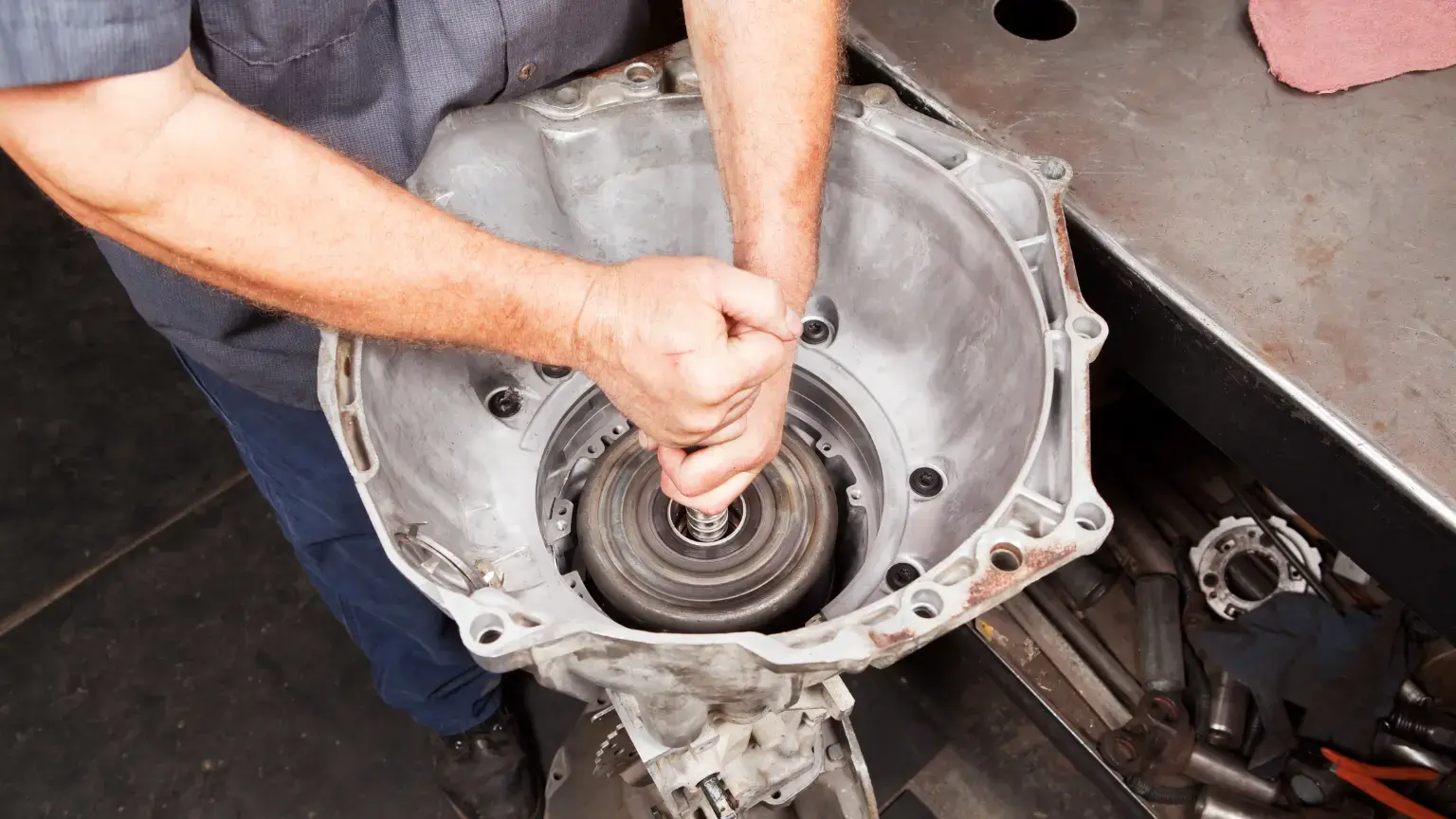
Once you know your torque converter is bad, the next question is whether it can be repaired or must be replaced, and how much it will cost. Torque converter repair cost will mostly come down to the cost of the part and the labor to remove the transmission.
If the issue is caught very early and is minor, a technician might fix that specific issue. However, because the torque converter is sealed and not easily serviceable in-car, typically the converter is swapped out for a new or remanufactured unit. The failing converter is then sent to a specialized facility if it’s to be rebuilt. So in practice, “repair” often means replacement. The only time a converter might not need replacement is if the problem actually lies elsewhere. Plan for a full replacement if your converter itself has failed internally.
The price of a torque converter can range widely depending on the vehicle make and model. Aftermarket and OEM converters vary, but generally, you might pay anywhere from around $200 up to $500 for the part itself. High-performance or heavy-duty vehicles could have more expensive converters.
Replacing a torque converter is labor-intensive because the mechanic has to remove the transmission from the vehicle to access it. In a rear-wheel-drive vehicle, this means dropping the driveshaft and transmission; in a front-wheel-drive vehicle, it involves removing axles and often subframe components. The job can easily be 5–10 hours of labor, depending on the vehicle. Labor rates vary by region and shop, but this can add a significant amount to the bill. For many cars, labor might cost as much as the part or more.
Professional Diagnosis and Transmission Troubleshooting
Because the symptoms of a bad torque converter can mimic other issues, it’s important to have a professional confirm the diagnosis. Many automatic transmission issues share similar warning signs. That’s where proper transmission troubleshooting comes in. An experienced car transmission repair specialist will have the tools and knowledge to pinpoint the true cause. They can perform diagnostic steps such as reading trouble codes from the transmission control module, measuring transmission fluid pressure, or performing a stall-speed test to evaluate converter performance.
If you suspect a bad torque converter, seeking professional help is essential. A qualified mechanic can accurately diagnose the problem and recommend the appropriate fix, and doing this promptly will save you from further complications down the road. Your local transmission service, such as Trans Medic Transmissions, has the specialized equipment to evaluate torque converter operation and overall transmission health. These professionals will typically take the car for a test drive to feel the symptoms first-hand, check the transmission fluid condition, and perhaps drop the transmission pan to look for telltale debris. If needed, they can remove the transmission and inspect the converter directly.
A healthy torque converter is essential for a smooth-driving, reliable automatic car. When this component starts to fail, the vehicle will let you know through symptoms like slipping, shuddering, and overheating. By learning to recognize these signs early, you can address the problem before it takes out your whole transmission. Sometimes a simple service can save your converter; if not, installing a new converter will restore your car’s performance and prevent further damage. Remember that preventative maintenance, especially keeping your transmission fluid clean and cool, is the best way to avoid these problems altogether. With proper care and prompt action when issues arise, you can ensure your torque converter stays in great shape for the long run.
Sources:
- Gearstar – Bad Torque Converter Symptoms, Diagnosis, and Fixes
Follow a maintenance program
Ante gravida id aenean quis egestas risus nam amet nullam leo diam diam aliquam eu eu malesuada arcu rhoncus suspendisse nulla mattis ut amet sagittis in justo egestas.
search for a trusted mechanic
Lorem ipsum dolor sit amet, consectetur adipiscing elit lobortis arcu enim urna adipiscing praesent velit viverra sit semper lorem eu cursus vel hendrerit elementum morbi curabitur etiam nibh justo, lorem aliquet donec sed sit mi dignissim at ante massa mattis.
- Neque sodales ut etiam sit amet nisl purus non tellus orci ac auctor
- Adipiscing elit ut aliquam purus sit amet viverra suspendisse potent
- Mauris commodo quis imperdiet massa tincidunt nunc pulvinar
- Excepteur sint occaecat cupidatat non proident sunt in culpa qui officia
Check the air pressure in your tires
Vitae congue eu consequat ac felis placerat vestibulum lectus mauris ultrices cursus sit amet dictum sit amet justo donec enim diam porttitor lacus luctus accumsan tortor posuere praesent tristique magna sit amet purus gravida quis blandit turpis.
Review your suspension frequently
At risus viverra adipiscing at in tellus integer feugiat nisl pretium fusce id velit ut tortor sagittis orci a scelerisque purus semper eget at lectus urna duis convallis. porta nibh venenatis cras sed felis eget neque laoreet suspendisse interdum consectetur libero id faucibus nisl donec pretium vulputate sapien nec sagittis aliquam nunc lobortis mattis aliquam faucibus purus in.
- Neque sodales ut etiam sit amet nisl purus non tellus orci ac auctor
- Adipiscing elit ut aliquam purus sit amet viverra suspendisse potent
- Mauris commodo quis imperdiet massa tincidunt nunc pulvinar
- Excepteur sint occaecat cupidatat non proident sunt in culpa qui officia
Service your vehicle as regularly as posible
At risus viverra adipiscing at in tellus integer feugiat nisl pretium fusce id velit ut tortor sagittis orci a scelerisque purus semper eget at lectus urna duis convallis. porta nibh venenatis cras sed felis eget neque laoreet suspendisse interdum consectetur libero id faucibus nisl donec pretium vulputate sapien nec sagittis aliquam nunc lobortis mattis aliquam faucibus purus in.
“Nisi quis eleifend quam adipiscing vitae aliquet bibendum enim facilisis gravida neque velit euismod in pellentesque”
Conclusion
Eget lorem dolor sed viverra ipsum nunc aliquet bibendum felis donec et odio pellentesque diam volutpat commodo sed egestas aliquam sem fringilla ut morbi tincidunt augue interdum velit euismod eu tincidunt tortor aliquam nulla facilisi aenean sed adipiscing diam donec adipiscing ut lectus arcu bibendum at varius vel pharetra nibh venenatis cras sed felis eget.