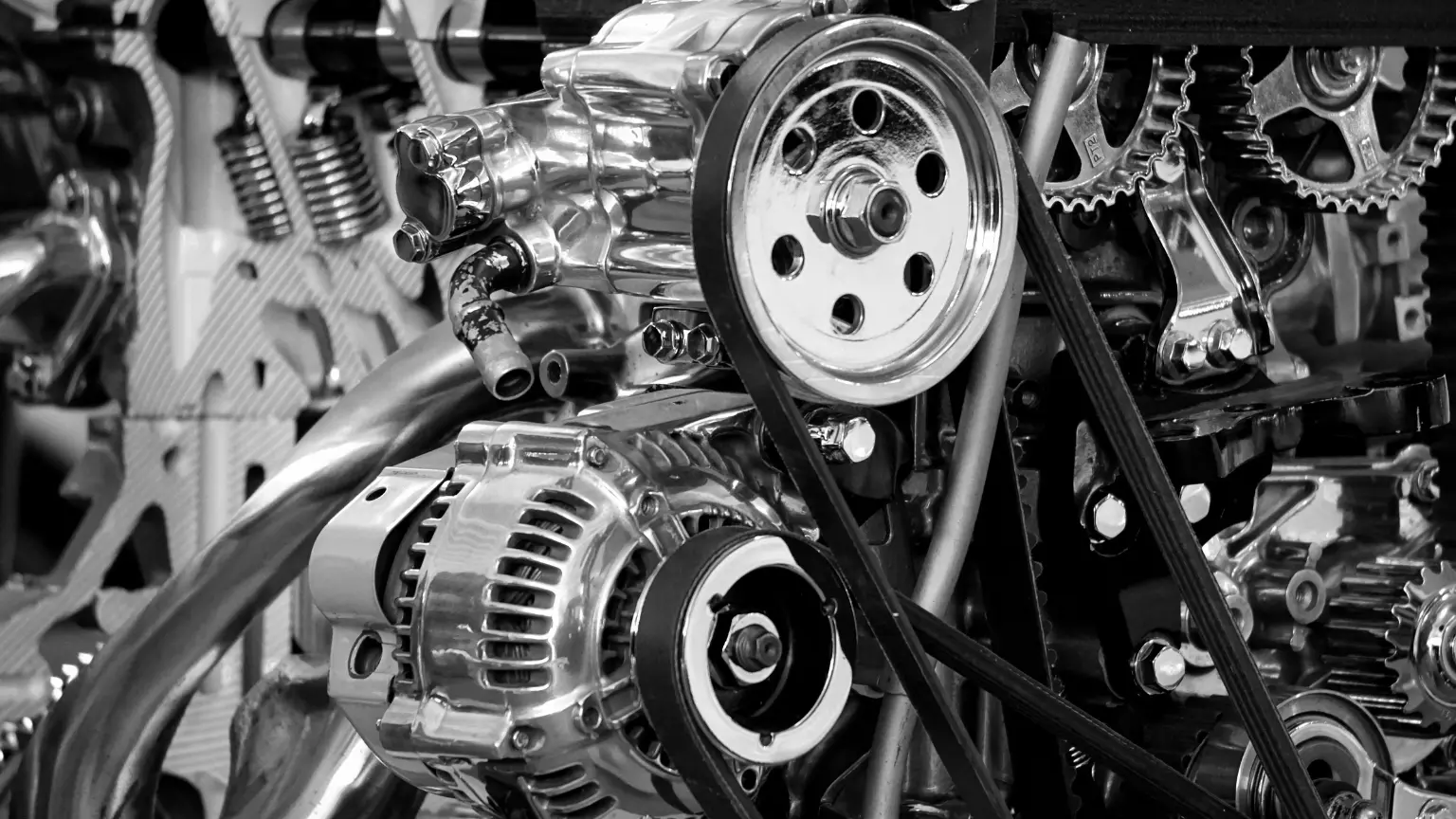
The Typical Transmission Rebuild Timeline From Drop-Off To Pickup
Wondering how long a transmission rebuild takes? This guide explains each step of the rebuild process, typical timelines, and factors that can speed up or delay the job
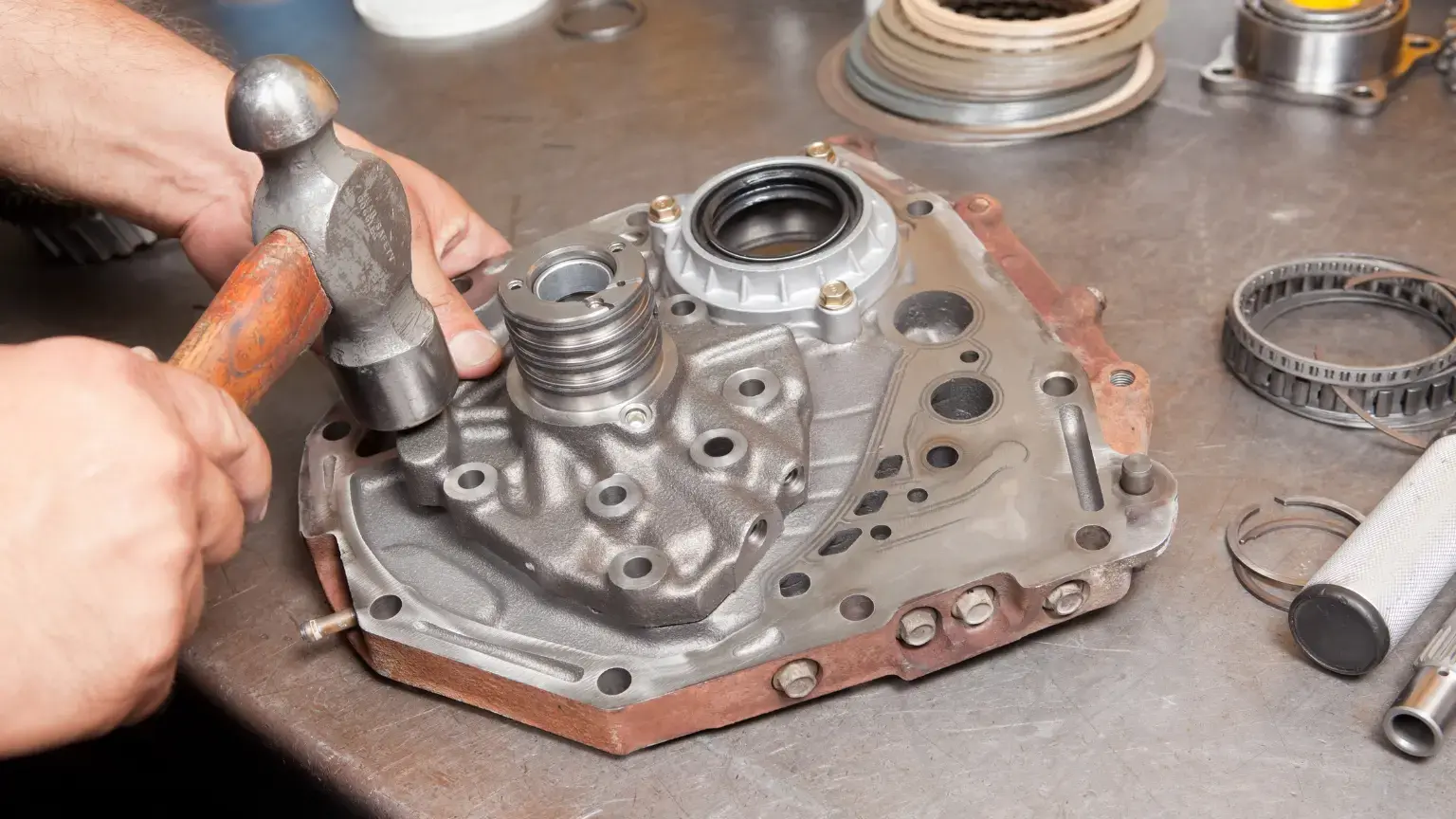
When your vehicle is at a transmission shop for a rebuild, a burning question is: how long to rebuild the transmission, and when can you get back on the road? Rebuilding a transmission is an involved process that requires removing the transmission, replacing or repairing internal components, and meticulous reassembly. It’s not a quick fix like an oil change. Rather, it’s one of the most intensive automotive transmission repair jobs a car might undergo. In this article, we’ll walk through the transmission rebuild timeline step by step in a typical scenario.
Drop-Off and Initial Diagnosis
The timeline starts the moment you hand over your keys at the shop. At most transmission auto repair shops, the first order of business is a thorough evaluation of your transmission’s condition. You’ll discuss the symptoms you’ve noticed. For example, slipping gears, strange noises, leaks, or a check-engine light. Providing detailed information at drop-off helps the technicians zero in on potential issues faster.
Once the vehicle is in the bay, technicians perform initial tests. This usually includes checking the transmission fluid level and condition, looking for leaks, and possibly dropping the transmission pan to inspect for debris. Many shops will also take the car on a short road test to observe how the transmission behaves under real driving conditions. Modern diagnostic tools are hooked up to scan for error codes or irregularities in transmission operation. This diagnostic phase can take anywhere from a few hours to a full day, depending on the problem's complexity. Minor issues might be identified quickly, whereas intermittent or complex faults could require more in-depth testing.
After the initial diagnostics, the shop should have a clearer picture of what’s wrong. At this point, they will typically call you with an initial diagnosis and an estimate. If the issue seems minor, they might recommend a simpler repair. But if major internal problems are suspected, they’ll advise a rebuild. You’ll get an estimated cost and an approximate timeline. The exact timeline remains a range until the transmission is fully opened and inspected. Once you approve the work, the shop proceeds to the next phase of the transmission rebuild timeline.
Removing the Transmission
With approval, the technicians begin the labor-intensive task of removing the transmission from the vehicle. This is often called the “R&R” (remove and replace) process. For front-wheel-drive cars, the transmission is typically transverse-mounted and may require removing axles or other components to drop it out. In rear-wheel-drive vehicles, the driveshaft must be disconnected, and the transmission slid out from under the car. Even for seasoned mechanics, extracting a transmission is a major job.
The unit is heavy and connected to many other parts. Just removing the transmission from the vehicle can take several hours, as the technician must disconnect drive shafts, transmission lines, linkages, and electrical connectors, and possibly even lower the engine subframe in some models. Larger vehicles or 4x4 trucks with transfer cases can take even longer.
As components are taken off, the mechanic looks for obvious signs of failure. They might find burnt fluid, metal shavings, or broken pieces in the bell housing. Such evidence can confirm that an internal rebuild is indeed necessary. This inspection continues once the transmission is out on the workbench.
The housing is then opened, and the transmission is disassembled piece by piece. Every gear, clutch pack, band, bearing, and seal is taken out and laid out for evaluation. This is essentially the core of a gearbox repair. The same idea as rebuilding an automatic transmission, but for a manual gearbox. The mechanic will clean all reusable parts and note any that are worn or damaged beyond specs. It’s a meticulous process: each tiny component must be kept track of. Depending on the transmission’s design and the shop’s workflow, disassembly and initial inspection of all parts could take most of a day. B
Rebuilding Internal Components
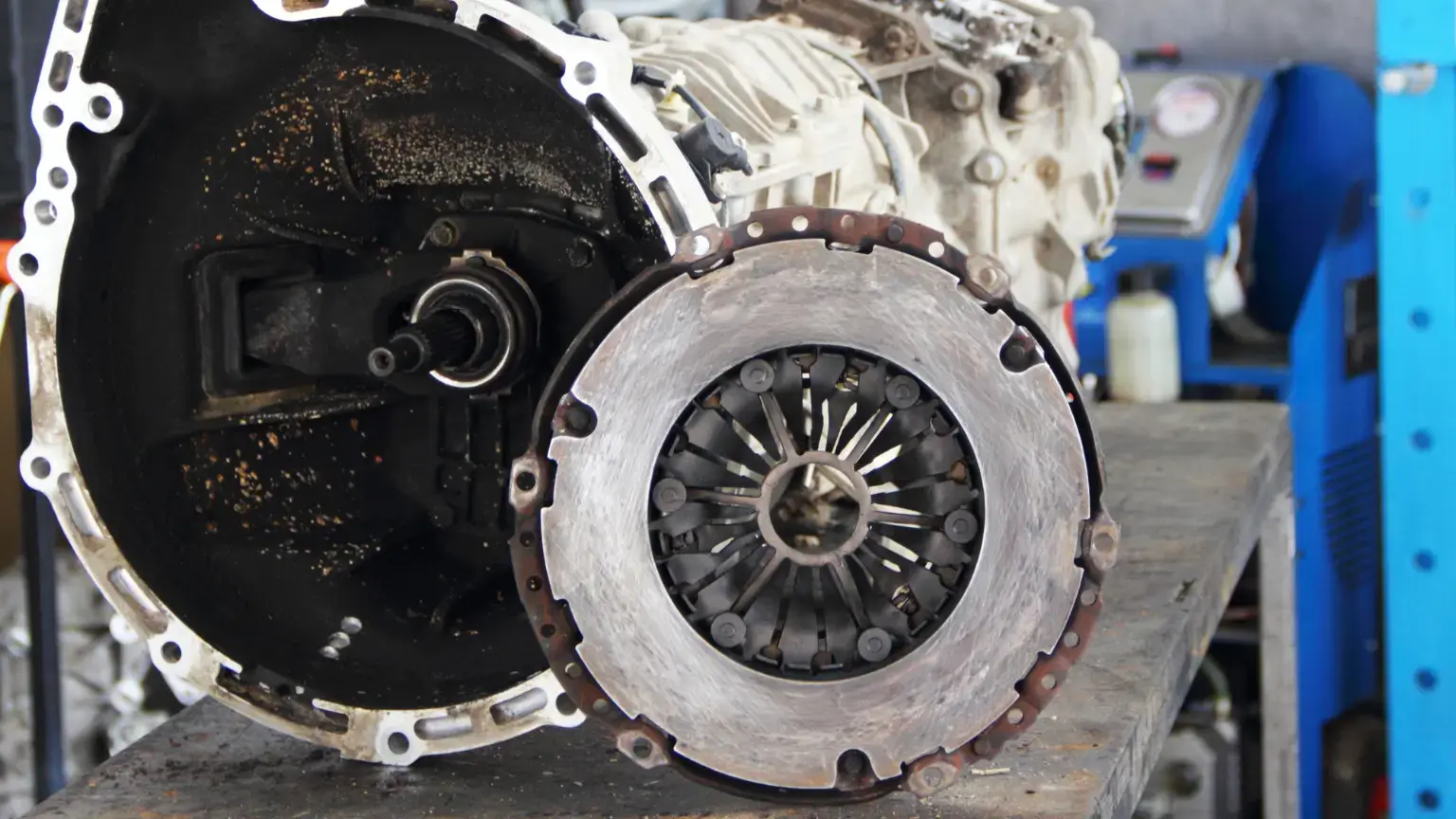
Once everything is disassembled and problem parts are identified, the rebuild process begins. The shop will order any new parts needed. Rebuild kits are used, which include common wear items for that transmission model. If the shop is well-stocked or the parts are common, they might have them on hand. Otherwise, they place orders right away. Parts availability is a major factor in this phase. If your vehicle requires a specialty or rare part, you should expect delays while those components are sourced. For example, an older or unusual model might need a hard-to-find gear, or a specific clutch and transmission service kit might have to be shipped from a supplier. Shops do their best to get parts quickly, but sometimes a back-ordered torque converter or a hard-to-find seal can add days to the rebuild.
The technician will clean the transmission’s internal parts that are going to be reused. All components are typically cleaned in a parts washer to remove metal shavings, sludge, and burnt fluid. If certain parts require reconditioning, this is done at this time. Cleanliness is vital in a transmission rebuild. Even a small bit of debris can cause problems in the finely tuned hydraulic circuits.
With new parts in hand, the mechanic replaces all the worn and damaged components. Inside an automatic transmission, this often means installing new clutch plates and steel plates for each clutch pack, new bands, fresh seals and O-rings throughout, a new filter, and sometimes new solenoids and sensors. Any hard parts that were bad are replaced with new or good-condition used parts. For a manual transmission, the rebuild would involve replacing worn gears or synchros, bearings, and usually the clutch disc and pressure plate. The technician works methodically, often following a service manual or guide, to ensure every part goes back in the correct order with proper clearances. This reassembly of internal components can take a full day or more by itself, especially on complex automatics with many small parts.
Reassembly and Reinstallation
With the internals rebuilt, the technician closes up the transmission case, sealing it with a new gasket or sealant as required. The exterior of the transmission might be cleaned up as well. At this point, the unit is essentially “like new.” Now it’s ready to go back into the vehicle.
- Reinstalling the transmission: Bolting the rebuilt transmission back into the car is essentially the reverse of the removal process, but it still requires care. The unit is lifted into place and aligned with the engine. The bellhousing bolts are torqued down, and the torque converter is attached to the engine’s flexplate if that wasn’t done prior. All the peripheral connections that were removed earlier are reconnected now. The mechanic also reattaches any other components that had to be moved out of the way. This can take several hours. An experienced team might get it done in half a day or less, but in some cases, fitment issues or tricky components can slow things down.
- Refilling fluids and adjustments: Once the transmission is bolted in, new transmission fluid is added. The technician will use the manufacturer’s specified type and fill procedure. If the transmission requires band or cable adjustments, they are done at this time according to spec. In the case of a computer-controlled transmission, the shop may also update or reflash the transmission control module (TCM) or perform a quick relearn procedure if required, though this often happens naturally during test driving.
Testing and Quality Assurance
With the rebuild complete and the car still in the shop, the mechanic performs a series of tests. Often, they will start the car and cycle through the gears while the vehicle is lifted, just to ensure the transmission engages drive and reverse without issues and to circulate fluid. They’ll check for leaks around any of the connections or seals. If everything looks okay, the vehicle is lowered for a road test.
A thorough road test is critical after a rebuild. The technician will drive the car through various conditions to verify that the transmission shifts smoothly and behaves correctly both when cold and at normal operating temperature. During this test drive, they listen and feel for any abnormalities: is it shifting at the right RPM, are there any flares or slips between gears, any clunking noises on shifts, etc. It’s not uncommon for minor transmission and auto repair tweaks to be needed after an initial run. After the road test, assuming all went well, the mechanic does a final under-hood and under-car inspection. They’ll look for any fluid leaks that might have appeared, re-check the fluid level, and ensure all connectors and bolts remain tight. If your vehicle has a transmission dipstick, the shop might show you that the fluid is at the correct level and a healthy color. At this stage, the rebuild is complete. The service advisor or mechanic will call you to let you know your car is ready for pickup.
Factors That Affect the Rebuild Timeline
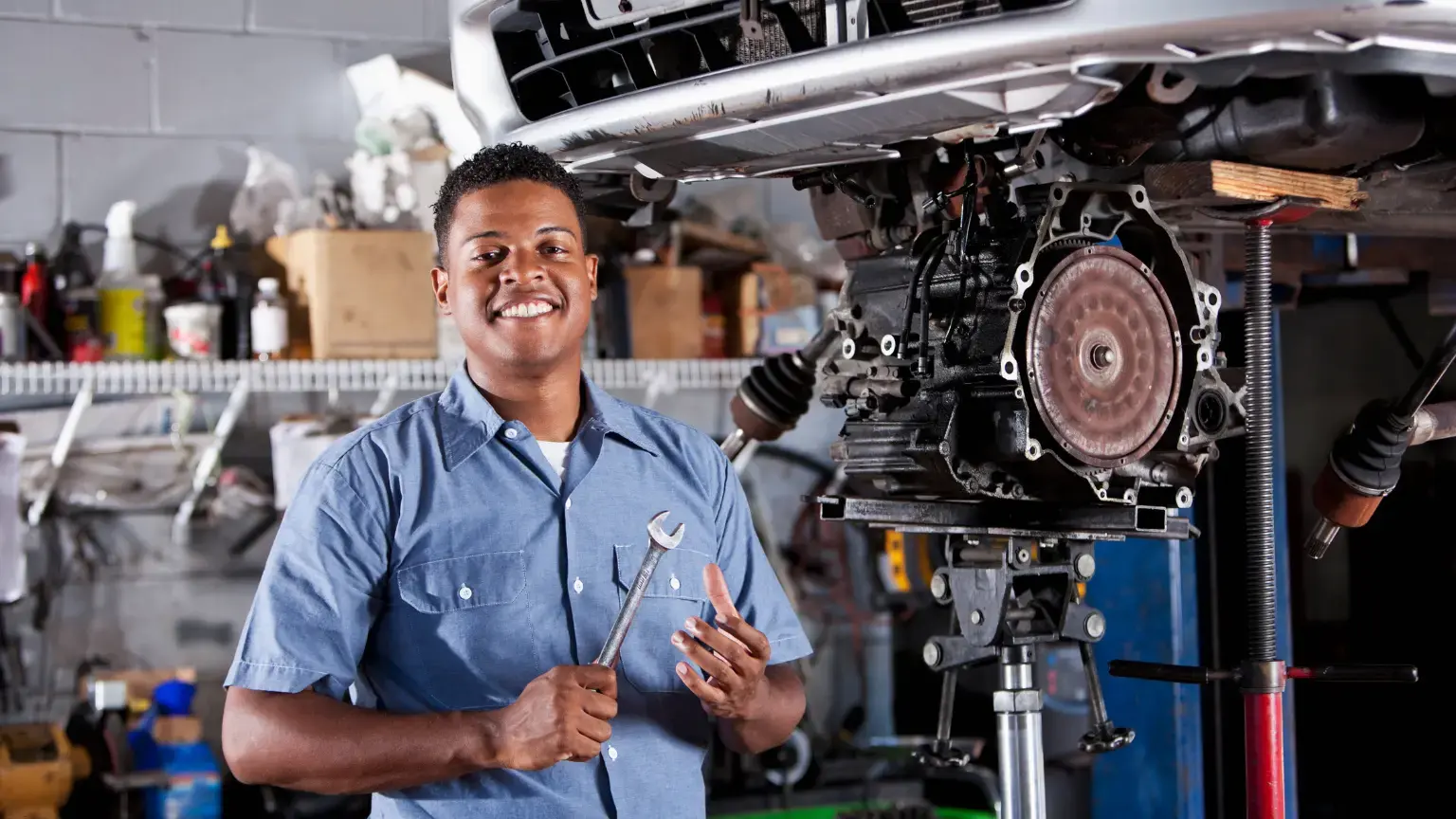
Not every transmission rebuild follows the exact same schedule. Some jobs go quicker than average, and some take longer. It’s important to understand the key factors:
- Severity of damage: The extent of the transmission’s problems is the single biggest factor. A unit that’s in relatively good shape except for a couple of worn components will be faster to rebuild than one that suffered a major failure. Minor issues can sometimes be fixed within a day, whereas a complete transmission rebuild for severe problems may take several days to a week. If your gears are burnt up or many parts need replacement, expect a longer downtime.
- Make and model of vehicle: The type of car and its transmission design also impact timing. Some vehicles have more complex transmission systems or harder-to-remove units. Luxury European cars, for instance, often have very intricate transmissions that can take more time to disassemble and service. Large trucks or 4x4 vehicles might have additional components that add steps to the process. On the other hand, a common model with a straightforward transmission can often be done more quickly simply because the technicians are very familiar with it. Older or rare vehicles may pose challenges. Just figuring out how to get the unit out or finding documentation can slow things down.
- Shop workload and expertise: The current workload of the repair facility can influence how fast they get to your rebuild. If the shop has multiple rebuilds in queue ahead of yours, there might be a delay before they even start on your car. Specialized transmission shops are often more efficient at these jobs than general mechanics. They have the tools and experienced staff ready to go.
- Unforeseen complications: Despite the best planning, sometimes unexpected issues arise that add time. For example, a bolt might break off and need extraction, or a replacement part might turn out to be incorrect and require re-ordering. These extras can add incremental time to the total.
Understanding these factors helps in setting realistic expectations. A reputable shop will consider these variables and give you an honest timeline estimate up front, and update you if anything changes.
Choosing the Right Shop and Minimizing Downtime
One way to ensure a smoother, faster transmission rebuild is to choose the right repair shop. Not all mechanics are equipped for a complex rebuild. General car engine repair shops often lack certified transmission technicians or the specialized equipment needed for an overhaul. Some auto shops that fix transmissions end up outsourcing the actual rebuild to dedicated transmission rebuilders, which can introduce days of extra back-and-forth shipping and coordination. For this reason, many car owners prefer to seek out local transmission specialists who do the work on-site. Typically, the best transmission service comes from a shop that can handle the entire rebuild in-house, from removal to reinstallation, without sending your unit elsewhere. Such specialists usually have a faster turnaround and greater quality control.
If your transmission is failing but the car is still drivable, try to plan ahead. Many auto transmission repair shops allow you to book an appointment ahead of time. Some even let you schedule a transmission rebuild online through their website for added convenience. For example, Trans Medic Transmissions allows customers to set up a rebuild appointment via an online form, ensuring you can secure a slot and the shop can prepare for your visit. By scheduling ahead, you reduce the time your car sits waiting for a technician to become available.
An auto and transmission rebuild is one of the most involved repairs your vehicle might undergo, but understanding the typical timeline can remove much of the anxiety. From the day you drop off your car to the day you pick it up, a series of methodical steps takes place: initial diagnosis, removal of the transmission, complete internal overhaul, reinstallation, and thorough testing. In a transmission rebuild timeline without major hiccups, this whole process usually spans about 3-5 days of work, or roughly a work week, including testing and quality checks. Always keep in mind that this timeline is an estimate. Every car and situation is unique. Factors like parts availability, the severity of damage, and even the shop’s schedule can extend the rebuild by a few days if necessary.
Follow a maintenance program
Ante gravida id aenean quis egestas risus nam amet nullam leo diam diam aliquam eu eu malesuada arcu rhoncus suspendisse nulla mattis ut amet sagittis in justo egestas.
search for a trusted mechanic
Lorem ipsum dolor sit amet, consectetur adipiscing elit lobortis arcu enim urna adipiscing praesent velit viverra sit semper lorem eu cursus vel hendrerit elementum morbi curabitur etiam nibh justo, lorem aliquet donec sed sit mi dignissim at ante massa mattis.
- Neque sodales ut etiam sit amet nisl purus non tellus orci ac auctor
- Adipiscing elit ut aliquam purus sit amet viverra suspendisse potent
- Mauris commodo quis imperdiet massa tincidunt nunc pulvinar
- Excepteur sint occaecat cupidatat non proident sunt in culpa qui officia
Check the air pressure in your tires
Vitae congue eu consequat ac felis placerat vestibulum lectus mauris ultrices cursus sit amet dictum sit amet justo donec enim diam porttitor lacus luctus accumsan tortor posuere praesent tristique magna sit amet purus gravida quis blandit turpis.
Review your suspension frequently
At risus viverra adipiscing at in tellus integer feugiat nisl pretium fusce id velit ut tortor sagittis orci a scelerisque purus semper eget at lectus urna duis convallis. porta nibh venenatis cras sed felis eget neque laoreet suspendisse interdum consectetur libero id faucibus nisl donec pretium vulputate sapien nec sagittis aliquam nunc lobortis mattis aliquam faucibus purus in.
- Neque sodales ut etiam sit amet nisl purus non tellus orci ac auctor
- Adipiscing elit ut aliquam purus sit amet viverra suspendisse potent
- Mauris commodo quis imperdiet massa tincidunt nunc pulvinar
- Excepteur sint occaecat cupidatat non proident sunt in culpa qui officia
Service your vehicle as regularly as posible
At risus viverra adipiscing at in tellus integer feugiat nisl pretium fusce id velit ut tortor sagittis orci a scelerisque purus semper eget at lectus urna duis convallis. porta nibh venenatis cras sed felis eget neque laoreet suspendisse interdum consectetur libero id faucibus nisl donec pretium vulputate sapien nec sagittis aliquam nunc lobortis mattis aliquam faucibus purus in.
“Nisi quis eleifend quam adipiscing vitae aliquet bibendum enim facilisis gravida neque velit euismod in pellentesque”
Conclusion
Eget lorem dolor sed viverra ipsum nunc aliquet bibendum felis donec et odio pellentesque diam volutpat commodo sed egestas aliquam sem fringilla ut morbi tincidunt augue interdum velit euismod eu tincidunt tortor aliquam nulla facilisi aenean sed adipiscing diam donec adipiscing ut lectus arcu bibendum at varius vel pharetra nibh venenatis cras sed felis eget.