Selecting the Right Dual-Clutch Transmission for Your Car
Learn what a dual clutch transmission is and how it compares to automatic gearboxes. Explore DCT pros and cons, fuel efficiency, service needs, and what to consider before choosing one.
When it comes to modern gearboxes, the dual clutch transmission (DCT) has emerged as a compelling option that promises the best of both manual and automatic worlds. A DCT can deliver lightning-fast shifts and efficient power delivery, making it popular in many performance and even everyday cars. But is a DCT the right choice for your vehicle and driving needs? In this article, we’ll break down what a dual-clutch transmission is, how it compares to other transmissions, its pros and cons, and what to consider when selecting the right dual-clutch transmission for your car.
What Is a Dual-Clutch Transmission?
It is an automated manual gearbox that uses two clutches instead of one. Unlike a traditional automatic, which uses a fluid torque converter, a DCT uses two clutches. One handles the odd-numbered gears, and the other handles the even-numbered gears, with overlapping control. This means the transmission can pre-select the next gear while you’re still driving in the current gear, resulting in near-seamless gear changes.
For example, while first gear is engaged, second gear is already prepared on the alternate clutch, so the shift happens almost instantly when prompted. As a result, a dual clutch transmission (DCT) can change gears far more quickly than a human with a manual clutch or even many conventional automatics. A DCT behaves like an automatic dual clutch system. It shifts automatically with no clutch pedal for the driver, yet its internal operation is akin to two manual gearboxes working in tandem. This design gives the driver continuous power during shifts, without the momentary loss of torque you feel in a single-clutch manual.
DCT vs. Automatic: How Does It Compare to a Traditional Automatic?
A conventional automatic transmission uses a hydraulic torque converter to transmit engine power to the drivetrain, along with complex planetary gearsets. This setup tends to be very smooth in operation but comes with some inherent inefficiencies. There’s often a slight delay or “slip” as the torque converter engages, and a portion of engine power is lost to driving the transmission’s hydraulic pump and fluid coupling. By contrast, a dual-clutch transmission directly connects the engine to the gearbox via clutch plates, without a torque converter. This direct connection minimizes power loss. A traditional automatic’s torque converter slippage and hydraulic pumping draw can waste noticeable energy, inefficiencies that a DCT’s dual-clutch design avoids.
Another key difference is the shifting experience. Traditional automatics are praised for their smooth, fluid gear changes. You barely notice the shifts in many modern automatics, especially those tuned for comfort. DCTs, on the other hand, execute extremely fast gear changes that can sometimes be felt more sharply. In aggressive driving, the quick shifts are an advantage, but at low speeds, some DCTs can exhibit hesitation or shudder as the clutches engage. Clutch and transmission integration in a DCT means it behaves a bit more like a manual in slow, creeping situations, which can feel less smooth than a buttery automatic with a torque converter. Car enthusiasts often love the crisp and rapid shifts of a DCT, as it gives a sporty feel; however, everyday commuters might notice that some dual-clutch units aren’t as silky in stop-and-go traffic as a conventional automatic.
Automakers have varying approaches: a decade ago, DCTs were hailed as the future of performance driving, but some brands have stuck with advanced torque-converter automatics or CVTs for their mainstream models. The dual clutch transmission’s major advantage is the ability to shift extremely quickly, yet some DCT designs can feel abrupt during normal driving, which is why not all manufacturers have adopted them across the board.
Performance Benefits of Dual-Clutch Transmissions
The primary reason many sports and performance cars have embraced dual-clutch transmissions is performance. With a DCT, gear changes happen lightning-fast, often quicker than any human could shift a manual transmission. In many modern DCT-equipped cars, upshifts and downshifts are completed in just fractions of a second. Some high-performance models can execute gear changes in under 100 milliseconds (0.1 seconds), a speed that simply isn’t achievable with a traditional manual clutch. Such rapid shifting keeps the engine in its optimal power band almost continuously. The result? Fix transmission lag, and you get snappier acceleration and improved lap times on the track. Upshifts in a dual-clutch system can occur so quickly that the car delivers exceptionally dynamic acceleration without the lull or “shift shock” you’d feel between gears in a manual. This is why many supercars and high-end sports cars exclusively use DCTs. The technology can harness the engine’s power with minimal interruption, giving blistering performance.
Beyond raw speed, DCTs also enhance the driving experience through features like launch control and paddle shifters. Launch control in a DCT-equipped car can manage the two clutches to unleash maximum acceleration from a stop with minimal wheel spin, something that’s harder to execute consistently with a manual. Meanwhile, paddle shifters on the steering wheel allow the driver to manually command shifts in an instant, enjoying a level of control similar to a manual gearbox but far faster. The feeling of those rapid-fire shifts at your fingertips adds a fun, sporty character. Many drivers report that a good dual-clutch makes them feel more connected to the car, almost as if they have the precision of a race car driver.
However, not all the feedback is positive regarding everyday drivability. As mentioned earlier, the same traits that make DCTs thrilling can cause jerkiness at crawling speeds. That said, newer generations of dual-clutch transmissions have improved with software tuning and sometimes adding features like “creep” modes to mimic automatic behavior. Manufacturers often program some slip or smoothing at low throttle openings to reduce harshness. Still, if your priority is sheer performance and a more automatic dual clutch experience, the DCT is a winner.
Dual Clutch for Fuel Efficiency: Are DCTs More Efficient?
Aside from performance, another big selling point of dual-clutch transmissions is their potential for improved fuel efficiency. In conventional automatics, as discussed, energy can be lost through the torque converter and through constantly pumping hydraulic fluid. DCTs eliminate the torque converter’s slip by using direct clutch engagement, which means more of the engine’s power goes straight to turning the wheels at all times.
Maintenance and Service Considerations for DCTs
Most DCTs use specialized transmission fluid, which must be changed at manufacturer-specified intervals. These intervals can be more frequent than for traditional automatics. Often every 30,000-50,000 miles (around 50,000–80,000 km), depending on the car and usage. Regular transmission service is critical because old fluid can lead to poor shifting performance or even damage. Skipping or delaying maintenance is asking for trouble, as the intricate mechanisms in a DCT depend on clean, proper fluid and calibration.
Cost-wise, maintaining a DCT might be slightly more expensive than a standard transmission, but it pales in comparison to the cost of a major repair if something goes wrong. Think of it this way: over about 10 years, performing routine fluid and filter changes on a transmission might cost on the order of a thousand or two thousand dollars total, whereas a single major failure could result in a rebuild bill of several thousand dollars. Neglecting upkeep on a dual-clutch unit can lead to a transmission repair cost well into the multiple thousands. This stark difference highlights why staying on top of DCT maintenance saves money in the long run. It’s far better to pay for oil and filter changes, maybe a clutch fluid bleed or software update, than to replace an entire mechatronic unit or clutch set because it was abused or run with burnt fluid.
If you experience significant clutch slipping or shuddering after a lot of miles, a dual clutch replacement might be necessary to restore smooth operation. This kind of job can be pricey, which again underlines the importance of preventative maintenance to maximize clutch life. Because DCTs are complex, it’s generally not recommended for average DIY mechanics to tear into them. If you attempt to fix transmission problems on a DCT yourself without specialized knowledge, you could easily do more harm than good. These units often require precise electronic diagnostics and even special tools to fill fluids or set clutch clearances.
Examples of Cars with Dual-Clutch Transmissions
Today, you can find DCTs in everything from practical family cars to supercars. Cars with DCT transmission span a broad spectrum: many European and performance-oriented models are equipped with DCTs for their blend of speed and efficiency. Here are a few notable examples of cars that use dual-clutch gearboxes:
- Volkswagen Golf GTI (DSG) – This iconic hot hatch was one of the pioneers in bringing dual-clutch tech to the mass market. VW’s DSG transmission in the GTI introduced many everyday drivers to lightning-fast shifts in an affordable performance car. The DSG made the Golf GTI quicker and more engaging, without sacrificing daily comfort, and it helped popularize DCTs in mainstream cars.
- Porsche 911 (PDK) – Porsche’s 911 sports car is often cited as one of the best cars with DCT. Porsche’s PDK (Porsche Doppelkupplungsgetriebe) is a benchmark for dual-clutch transmissions worldwide. It offers incredibly quick, crisp shifts that are perfectly suited to the 911’s high-performance nature. In fact, modern 911s equipped with PDK can accelerate quickly than their manual counterparts, and the system is so refined that even purists praise its responsiveness.
- Audi S3 (S tronic) – The Audi S3 is a luxury sport compact sedan that comes with a 7-speed S tronic dual-clutch transmission. It’s a great example of a DCT enhancing a daily driver: the S3’s gearbox provides snappy performance shifts when you demand them, but is civil enough for commuting. The dual-clutch works with Audi’s Quattro all-wheel-drive to deliver both smooth city driving and aggressive launches when needed.
- Hyundai Veloster N / Elantra N (DCT) – Even outside Europe, manufacturers have adopted DCTs. Hyundai’s N performance models offer an 8-speed dual-clutch option. These cars demonstrate how a DCT can make a fun, sporty compact car even more thrilling, with rapid shifts and features like rev-matching and launch control. They show that dual-clutch tech isn’t limited to high-priced cars – it’s trickling down to more attainable enthusiasts’ vehicles.
- High-End Exotics (Ferrari, Lamborghini, etc.) – At the top of the scale, virtually all modern supercars use dual-clutch transmissions. Ferrari transitioned from the old single-clutch automated manuals to 7-speed DCTs, starting with models like the 458 Italia, vastly improving shift smoothness and speed. Lamborghini’s Huracán and Aventador also employ dual-clutch gearboxes to handle their immense power while providing seamless gear changes. In the supercar realm, a DCT is practically a given, as it’s the only type of transmission that can cope with 600+ horsepower engines while still being drivable on the street.
Each implementation is a bit different, but the core benefits of quick shifts and efficient power transfer remain. If your car of interest offers a DCT option, it’s likely because the manufacturer wanted to offer the best balance of speed and efficiency for that model.
Finding the Right Shop for DCT Service and Repairs
If you decide to own a vehicle with a dual-clutch transmission, one more factor to consider is where you will have it serviced or repaired when the time comes. It pays to seek out the best transmission shop you can find, ideally one with specific experience in dual-clutch systems. Look for certified transmission shops or dealership service centers that have technicians trained on your type of vehicle and transmission. Certifications such as ASE (Automotive Service Excellence) or manufacturer-specific training indicate that the staff know their way around complex transmissions. The performance transmission shop that builds race transmissions might also be a good bet if they have experience with DCTs, especially for upgrades or high-performance tuning.
Why is a specialized shop important? Tasks like setting clutch kiss points, performing adaptive relearns, or diagnosing mechatronic issues often require specialized diagnostic computers and know-how. A shop that regularly handles only traditional automatics might misdiagnose a DCT issue or use the wrong fluid, for example. On the other hand, a knowledgeable technician will understand the interaction between the clutch and transmission control in a DCT and can ensure that any service is done correctly. Given the potential costs involved in DCT repairs, you want the job done right the first time.
Don’t hesitate to ask if they have worked on dual-clutch transmissions before. A little online research in your area can go a long way. Enthusiast forums or local car clubs often know which shops have a good reputation for transmissions. As an example, if you live near Portland and drive a performance car, you might bring it to Trans Medic Transmissions, where technicians are experienced with modern transmission technology. A good shop will also stand behind its work with a warranty, which is a valuable piece of mind.
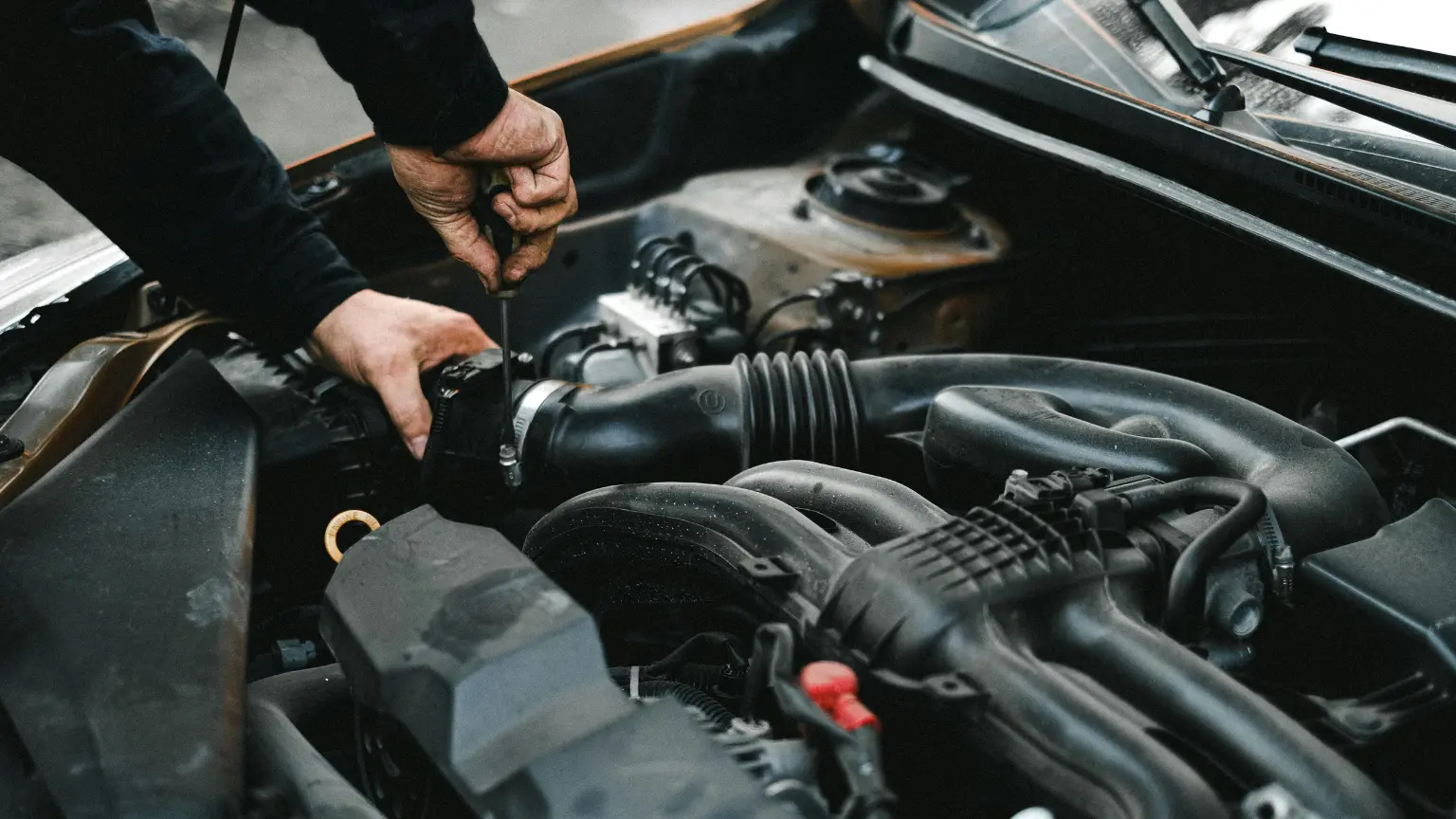
Keep communication open with your chosen mechanic or service advisor. If you notice any odd behavior from your DCT, describe it in detail. Early intervention can prevent minor issues from ballooning into major failures. Certified transmission shops can often fix a minor software issue or replace a single worn component and save you from a more costly repair down the road.
Selecting the right dual-clutch transmission for your car comes down to aligning the technology with your driving style and priorities. If you love driving and demand quick, efficient power delivery, a DCT will put a smile on your face. If you prioritize simplicity and smoothness above all, you might stick with a conventional automatic or consider other options. The good news is that today’s automotive market offers plenty of choices. Dual-clutch transmissions are one of the more intriguing choices available.
Sources:
- Autoweb – "10 Cars with Dual Clutch Transmissions"
- Car-One (Sept 21, 2025) – "What Is a Dual-Clutch Transmission? Don’t Buy Before Knowing the Pros & Cons"
- TREMEC Blog – "The Differences Between a DCT and a Traditional Automatic Transmission"
- HowStuffWorks – "How Dual-clutch Transmissions Work"
Follow a maintenance program
Ante gravida id aenean quis egestas risus nam amet nullam leo diam diam aliquam eu eu malesuada arcu rhoncus suspendisse nulla mattis ut amet sagittis in justo egestas.
search for a trusted mechanic
Lorem ipsum dolor sit amet, consectetur adipiscing elit lobortis arcu enim urna adipiscing praesent velit viverra sit semper lorem eu cursus vel hendrerit elementum morbi curabitur etiam nibh justo, lorem aliquet donec sed sit mi dignissim at ante massa mattis.
- Neque sodales ut etiam sit amet nisl purus non tellus orci ac auctor
- Adipiscing elit ut aliquam purus sit amet viverra suspendisse potent
- Mauris commodo quis imperdiet massa tincidunt nunc pulvinar
- Excepteur sint occaecat cupidatat non proident sunt in culpa qui officia
Check the air pressure in your tires
Vitae congue eu consequat ac felis placerat vestibulum lectus mauris ultrices cursus sit amet dictum sit amet justo donec enim diam porttitor lacus luctus accumsan tortor posuere praesent tristique magna sit amet purus gravida quis blandit turpis.
Review your suspension frequently
At risus viverra adipiscing at in tellus integer feugiat nisl pretium fusce id velit ut tortor sagittis orci a scelerisque purus semper eget at lectus urna duis convallis. porta nibh venenatis cras sed felis eget neque laoreet suspendisse interdum consectetur libero id faucibus nisl donec pretium vulputate sapien nec sagittis aliquam nunc lobortis mattis aliquam faucibus purus in.
- Neque sodales ut etiam sit amet nisl purus non tellus orci ac auctor
- Adipiscing elit ut aliquam purus sit amet viverra suspendisse potent
- Mauris commodo quis imperdiet massa tincidunt nunc pulvinar
- Excepteur sint occaecat cupidatat non proident sunt in culpa qui officia
Service your vehicle as regularly as posible
At risus viverra adipiscing at in tellus integer feugiat nisl pretium fusce id velit ut tortor sagittis orci a scelerisque purus semper eget at lectus urna duis convallis. porta nibh venenatis cras sed felis eget neque laoreet suspendisse interdum consectetur libero id faucibus nisl donec pretium vulputate sapien nec sagittis aliquam nunc lobortis mattis aliquam faucibus purus in.
“Nisi quis eleifend quam adipiscing vitae aliquet bibendum enim facilisis gravida neque velit euismod in pellentesque”
Conclusion
Eget lorem dolor sed viverra ipsum nunc aliquet bibendum felis donec et odio pellentesque diam volutpat commodo sed egestas aliquam sem fringilla ut morbi tincidunt augue interdum velit euismod eu tincidunt tortor aliquam nulla facilisi aenean sed adipiscing diam donec adipiscing ut lectus arcu bibendum at varius vel pharetra nibh venenatis cras sed felis eget.