OBD Codes And Transmissions: What A Scan Can And Cannot Prove
Learn how OBD‑II codes relate to transmission issues, what scan tools can reveal & why a code is just one piece of the diagnosis puzzle
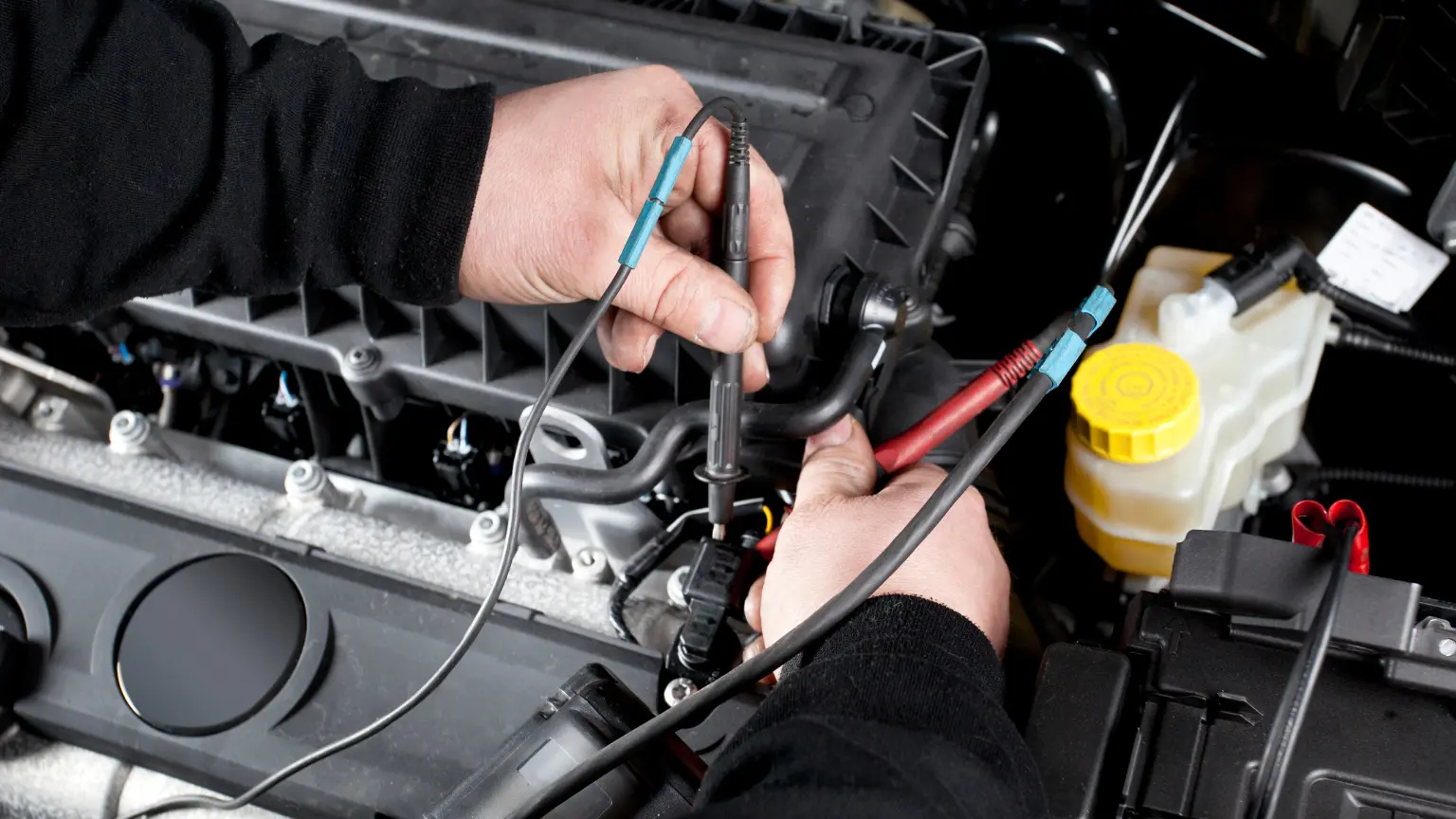
When facing car transmission problems, many drivers turn to their trusty OBD-II scanner or a local auto parts store to pull diagnostic trouble codes. The check engine light might be on, and it's natural to hope that a quick scan will pinpoint the issue. Modern transmission diagnostics often start with reading the vehicle’s computer codes. However, it's important to understand what an OBD-II scan can tell you about a transmission fault. In this article, we'll explore how OBD codes relate to transmission issues, the capabilities and limitations of scan tools, and why a code reader is just one tool in diagnosing transmission problems. For many drivers, seeing OBD transmission codes pop up during a scan might seem like a straightforward answer, but the reality is more nuanced.
Understanding OBD-II and Transmission Codes
On-board diagnostics (OBD-II) systems don't only monitor engine performance. They also keep tabs on the transmission. The transmission has its own control module (often called the Transmission Control Module or TCM) that communicates with the engine’s computer. When something goes wrong in the transmission system, the TCM can trigger OBD-II transmission-related OBD codes just like the engine’s computer triggers engine codes. Transmission trouble codes usually fall into certain number ranges. Many transmission codes begin with “P07” or “P08” in the code listing. These codes indicate faults detected in the gearbox or its controls.
If a transmission fault code is registered, it often will turn on the check engine light. Unlike some vehicles that have a separate transmission warning lamp, most cars use the familiar engine-shaped light on the dashboard to indicate powertrain issues. So a check engine light can indeed mean a transmission problem. A code like P0700 basically tells the engine’s computer that the transmission module has detected a problem. This results in the check engine lamp illuminating to alert the driver. However, P0700 itself doesn't tell you much beyond “there’s a transmission fault.” It's a starting point that indicates the TCM has something to report.
To get more details, a mechanic would need to read the specific transmission codes stored in the TCM memory. The scan tool might show a generic code indicating a transmission issue, but further scanning with advanced equipment or software is needed to identify the specific transmission code that explains the issue. These more detailed codes could indicate anything from a slipping clutch pack to a faulty shift solenoid.
The Check Engine Light and Transmission Faults
Seeing the check engine light transmission warning can be confusing. After all, the wording implies an engine problem, not a transmission. The engine light often comes on for transmission issues that affect the vehicle's performance or emissions. If the transmission is slipping badly or a gear isn't engaging properly, the engine may run outside of its normal parameters, which can trigger a fault code. In some cars, a separate indicator will illuminate for transmission-specific alerts, but many rely solely on the check engine light. If your engine light comes on and the code readout indicates a transmission-related fault, you are dealing with what some might call an engine light transmission issue.
Suppose your car has been shifting erratically or not going into a certain gear, and then the check engine light pops on. You use a code reader, and it returns something like “P0733 – Gear 3 Incorrect Ratio.” This is a transmission-related code indicating the third gear isn’t achieving the expected ratio, which could happen due to slipping or mechanical wear. The presence of such a code confirms that the transmission is having trouble. However, it doesn't tell you why gear 3 is incorrect. It could be due to worn clutch packs, a failing solenoid, or even low fluid, causing insufficient hydraulic pressure. The scan tool identifies check engine transmission codes like these to point you in the right direction, but further investigation is needed to nail down the cause of the improper gear ratio.
What an OBD Scanner Can Reveal
An OBD-II scanner is a powerful tool for gathering clues about transmission performance. With the right transmission scanner tool, you can retrieve any stored error codes specific to the transmission system. These codes act like a roadmap for troubleshooting. A capable OBD2 transmission scanner can also read live data streams from the transmission. This means you can observe data like gear position, torque converter lock-up status, transmission fluid temperature, and other sensor readings in real time while the car is running. Unusual readings can help detect transmission issues that might not be obvious from just driving the car.
Some advanced scan tools even allow you to run active tests on the transmission. A technician might command a solenoid on and off via the scanner to see if the transmission responds appropriately. But even without those advanced functions, a basic transmission code reader provides invaluable information. Highlighting the area of concern points your diagnosis toward specific subsystems or components. It tells you what faults the car’s computers have noticed. It can reveal if a particular gear is slipping, if a valve body solenoid isn’t working, or if there’s a communication problem between the transmission and engine modules, among many other possibilities.
Tools can catch problems that produce an electrical or sensor-based error signature. For instance, they will usually flag a failing speed sensor because the sensor will send signals outside the expected range, triggering a code. Similarly, if the torque converter clutch isn’t locking up when commanded, the TCM can log a code for that. Some tools will even indicate torque converter slip by analyzing the difference between engine RPM and transmission input RPM under lock-up conditions. Transmission diagnostics via scanner can alert you to these kinds of performance issues. A good diagnostic device can spot a torque converter clutch problem by detecting the electronic irregularities, giving you an early warning of such issues.

Hidden Problems: When There's No Code but Something's Wrong
You might experience clear signs of transmission trouble, yet the scanner shows no fault codes, and the check engine light stays off. This situation can be bewildering and frustrating. Imagine feeling gear shift issues such as delayed engagement, surging, or strange noises from the transmission, but your code reader isn’t showing any errors. You’re left wondering if you’re imagining things or if the diagnostic tool is missing something. Such scenarios do happen. It’s entirely possible to have transmission symptoms with no accompanying OBD-II codes or warning lights. There are situations in which perplexing transmission problems arise without diagnostic alerts. In other words, the absence of a code doesn’t always mean the transmission is fine.
So, what do you do when you're diagnosing a transmission problem, and there are no codes to guide you? This is where traditional mechanical diagnosis comes into play. A seasoned technician will revert to basics. Without an electronic breadcrumb trail, one must rely on direct observation and testing. If you find yourself in this no-code situation as a car owner, don’t assume the lack of a check engine light means everything is okay. Trust your butt dyno and your ears. You will likely need a professional who knows how to diagnose transmission problems without the help of a computer. They might perform manual pressure tests on the transmission, inspect mechanical components, or use specialized tools such as chassis ears or infrared thermometers to pinpoint issues that the car’s onboard diagnostics can't detect.
Why Some Transmission Issues Don't Trigger Codes
You may be curious why a serious-feeling problem in your transmission wouldn't generate any error code. The answer lies in the distinction between electronic controls and mechanical hardware. Let's list some examples of problems that often won’t trigger an OBD code:
- Worn or burned clutch packs: The transmission may slip or shift softly, but until it slips enough to mess with input/output speed correlation, the TCM might not log a fault.
- Hydraulic pressure loss (without electronic feedback): If a seal is leaking internally but not enough to cause a dramatic drop in pressure that a sensor notices, you get poor shift quality but no code.
- Mechanical damage to gears or bands: The transmission could make noise or lose a gear mechanically, yet the electronics only see that the gear isn’t engaging and might not flag a specific code for the broken part.
- Minor torque converter issues: A failing torque converter clutch might shudder or slip slightly under load. If it’s not severe enough to upset the sensor readings, you won’t see a code, even though you feel a judder on acceleration.
The car’s computer has blind spots. It can't read the future, and it doesn’t tear down the transmission to inspect clutches and gears. It only knows what its sensors tell it. This underscores why human expertise is crucial.
Beyond Codes: Proper Transmission Diagnostics
Because OBD scans have their limits, professional mechanics have a whole arsenal of diagnostic techniques for transmission issues. Consider the following steps that technicians commonly take:
- Check the Transmission Fluid: The fluid level and condition can tell a lot. Low fluid can cause shifting problems or slipping that might not throw a code. Burnt or dark fluid indicates overheating or clutch wear. If the fluid smells burnt or is contaminated with debris, it points to internal damage, even if no electronic sensors picked it up.
- Inspect for Leaks and Connections: Many transmission problems are exacerbated by fluid leaks or misadjusted linkages. A quick external inspection can reveal issues like a loose wiring connector to the transmission, a leaking pan gasket, or a misaligned shift cable. None of which would set a code, but can definitely cause problems.
- Test Drive and Listen/Feel: A thorough road test is often part of diagnosing transmission problems. A technician will drive the vehicle and observe each shift: Is there a delay going into gear? Does it bang or flare between gears? Is there a shudder at certain speeds? They will also listen for noises and note when they occur. This real-world feedback is critical and can reveal issues like slipping in a specific gear or a torque converter shudder that no computer code could fully capture.
- Perform Advanced Testing if Needed: Depending on the results of the earlier steps, a mechanic might perform a line pressure test, which can identify internal leaks or pump issues. They might also use specialized scan tool functions or oscilloscopes to monitor sensor readings more closely than a basic scanner can. In some cases, inspecting the transmission internals is necessary.
By combining these methods with the initial scan data, a technician can form a complete picture. It’s a bit like solving a mystery. The OBD codes provide some clues, and the follow-up tests and inspections provide the rest. This holistic approach to diagnosing transmission problems is the reason why just pulling a code at the auto parts store can only get you so far.

The Cost to Diagnose Transmission Problems
One practical question drivers often have is: What is the cost to diagnose transmission problems properly? The answer can vary widely depending on how involved the diagnostic process needs to be. If you’re lucky, simply reading the OBD-II codes may point directly to a known issue. However, more often a deeper investigation is needed, and that is usually a paid service at a repair shop. A basic scan and road test might be relatively affordable. But if the shop needs to spend several hours performing pressure tests, dropping the pan, or disassembling parts of the transmission, the diagnostic charges will increase accordingly.
Different shops have different policies. Some transmission specialty shops offer free or low-cost initial diagnostics, hoping to earn your repair business, while others charge a standard fee that covers the labor of a thorough check. As a ballpark figure, a comprehensive transmission diagnostic work-up might run from $100 to a few hundred dollars. Specialized diagnostics for complex systems like the transmission typically range between roughly $100 and $250, depending on the vehicle and location. This would usually cover the time to connect professional scan tools, interpret the codes, and perform an external inspection and basic tests. If the issue is elusive and requires even deeper investigation, the costs can climb significantly due to the extra labor.
A balanced approach is best. Use your transmission code reader and take advantage of the information your vehicle’s computer provides. But also pay attention to how your car drives and feels. If something seems off, don’t ignore it just because the dash isn’t lit up like a Christmas tree. And if you’re not sure how to interpret the codes, it’s wise to consult a professional. Transmission systems are complex, and a seasoned specialist can combine computer diagnostics with hands-on know-how to get to the bottom of an issue. For instance, the team at Trans Medic Transmissions is well-versed in interpreting OBD codes and performing follow-up checks to accurately diagnose transmission problems. By understanding what your scan tool can and cannot tell you, you’ll be better prepared to maintain your transmission’s health and address problems before they turn into costly failures.
Sources
- Foxwell Diag – “Can a Scan Tool Detect Transmission Problems?”
- Transworks Plus – “Car Diagnostic Test Cost: Pricing Breakdown & What to Expect”
Follow a maintenance program
Ante gravida id aenean quis egestas risus nam amet nullam leo diam diam aliquam eu eu malesuada arcu rhoncus suspendisse nulla mattis ut amet sagittis in justo egestas.
search for a trusted mechanic
Lorem ipsum dolor sit amet, consectetur adipiscing elit lobortis arcu enim urna adipiscing praesent velit viverra sit semper lorem eu cursus vel hendrerit elementum morbi curabitur etiam nibh justo, lorem aliquet donec sed sit mi dignissim at ante massa mattis.
- Neque sodales ut etiam sit amet nisl purus non tellus orci ac auctor
- Adipiscing elit ut aliquam purus sit amet viverra suspendisse potent
- Mauris commodo quis imperdiet massa tincidunt nunc pulvinar
- Excepteur sint occaecat cupidatat non proident sunt in culpa qui officia
Check the air pressure in your tires
Vitae congue eu consequat ac felis placerat vestibulum lectus mauris ultrices cursus sit amet dictum sit amet justo donec enim diam porttitor lacus luctus accumsan tortor posuere praesent tristique magna sit amet purus gravida quis blandit turpis.
Review your suspension frequently
At risus viverra adipiscing at in tellus integer feugiat nisl pretium fusce id velit ut tortor sagittis orci a scelerisque purus semper eget at lectus urna duis convallis. porta nibh venenatis cras sed felis eget neque laoreet suspendisse interdum consectetur libero id faucibus nisl donec pretium vulputate sapien nec sagittis aliquam nunc lobortis mattis aliquam faucibus purus in.
- Neque sodales ut etiam sit amet nisl purus non tellus orci ac auctor
- Adipiscing elit ut aliquam purus sit amet viverra suspendisse potent
- Mauris commodo quis imperdiet massa tincidunt nunc pulvinar
- Excepteur sint occaecat cupidatat non proident sunt in culpa qui officia
Service your vehicle as regularly as posible
At risus viverra adipiscing at in tellus integer feugiat nisl pretium fusce id velit ut tortor sagittis orci a scelerisque purus semper eget at lectus urna duis convallis. porta nibh venenatis cras sed felis eget neque laoreet suspendisse interdum consectetur libero id faucibus nisl donec pretium vulputate sapien nec sagittis aliquam nunc lobortis mattis aliquam faucibus purus in.
“Nisi quis eleifend quam adipiscing vitae aliquet bibendum enim facilisis gravida neque velit euismod in pellentesque”
Conclusion
Eget lorem dolor sed viverra ipsum nunc aliquet bibendum felis donec et odio pellentesque diam volutpat commodo sed egestas aliquam sem fringilla ut morbi tincidunt augue interdum velit euismod eu tincidunt tortor aliquam nulla facilisi aenean sed adipiscing diam donec adipiscing ut lectus arcu bibendum at varius vel pharetra nibh venenatis cras sed felis eget.