Finding a Reliable Transmission Mechanic: Tips for Every Car Owner
Transmission specialists use expert diagnostics, specialized tools, and precision repairs for smooth power transfer and longer vehicle life. Check certifications and reviews when choosing.
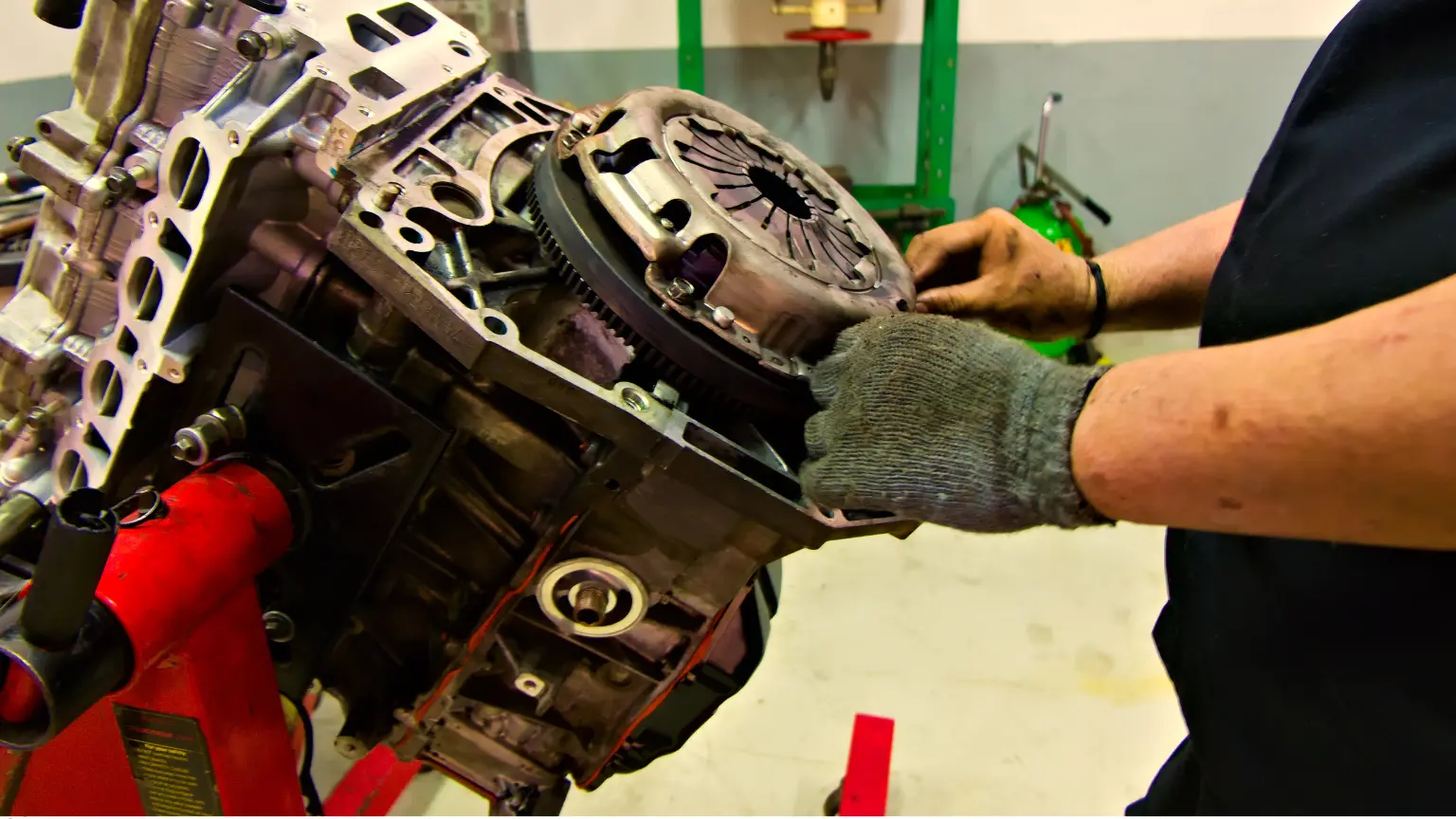
When it comes to car maintenance, the transmission plays a pivotal role in ensuring your vehicle runs smoothly and efficiently. It's essential to provide specialized care to this complex component because it handles the power transfer from your engine to your wheels, allowing for safe and controlled driving. Choosing a transmission specialist can mean the difference between a well-maintained car and one that experiences frequent mechanical issues. Specialists have a deep understanding of transmission dynamics and are equipped to handle intricate problems that general mechanics may not be trained to address. This specific focus helps accurately diagnose issues and implement effective repairs, extending your vehicle's lifespan and performance.
What to Look for in a Transmission Mechanic
Checking Certifications, Experience, and Training
One must understand the importance of assessing a mechanic’s certifications, experience, and the shop's reputation to ensure reliable service. Certifications from recognized automotive institutions, such as ASE (Automotive Service Excellence), indicate that a mechanic has met industry standards in transmission repair. Experience is equally crucial, as seasoned mechanics have a broad understanding of different transmission types and common issues. Training ensures the mechanic is up to date on the latest technologies and repair techniques. Ensure the mechanic or shop regularly participates in ongoing training and maintains up-to-date certifications to perform modern transmission services effectively.
Reading Reviews and Asking for Referrals
There are steps car owners can take to find a trustworthy transmission mechanic, including gathering recommendations, checking reviews, and comparing local shops. To assess a mechanic's reliability for transmission problems, reading online reviews and asking for referrals are invaluable. Customer reviews often highlight the strengths and weaknesses of a mechanic's service, giving you insight into their expertise and customer service quality. Additionally, asking friends, family, or acquaintances for referrals can connect you with trusted specialists who have proven they can handle transmission problems efficiently. When you find car mechanic recommendations through people you trust, it adds a layer of confidence and reassurance about the service you can expect.
Evaluating Diagnostic Capabilities and Equipment
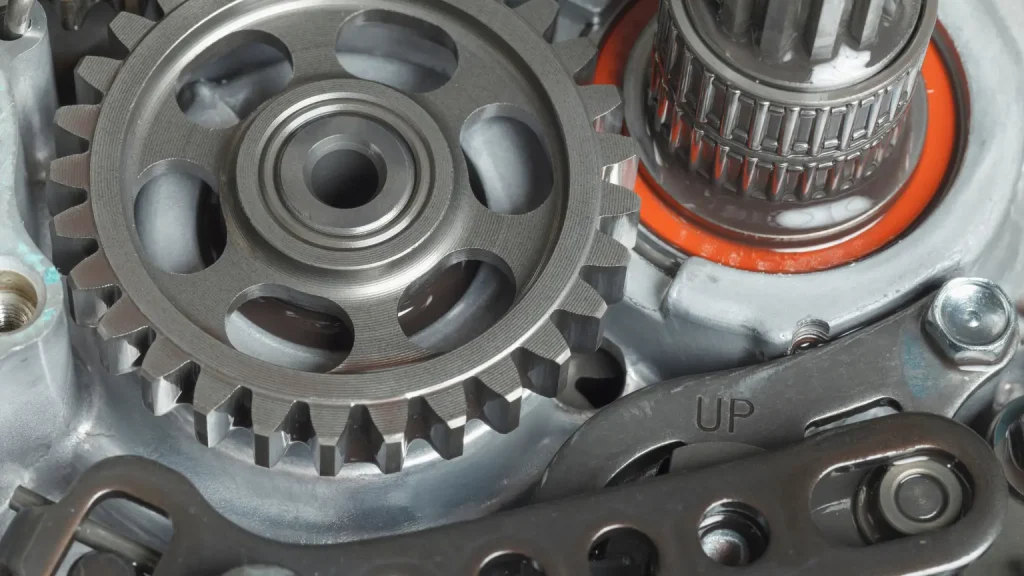
A well-equipped shop will have the latest diagnostic tools and technology to identify transmission problems and determine the best solutions precisely. This equipment enables detailed assessments of car shifting issues and related problems, which are essential for effective repair work. The mechanic you choose should invest in advanced diagnostic equipment and thoroughly understand how to use it to meet your vehicle's specific needs.
Assessing Transparency in Pricing and Warranties
Car owners can compare cost estimates, understand pricing structures, and evaluate warranty or guarantee options to make informed decisions. One of the key aspects of a trustworthy mechanic is transparent pricing and clear warranty information. A good transmission mechanic will provide a detailed quote that outlines the cost of labor and parts before beginning any repair work. They should also explain the terms of any warranties offered on parts and services. This clarity helps you understand the cost of transmission repair upfront, avoiding any unpleasant surprises once the job is done. Moreover, warranties ensure that the work performed is reliable and supported for a certain period or mileage.
It’s crucial for car owners to go beyond surface-level price comparisons and take a closer look at how estimates are structured and what protections are included. Request detailed, written cost estimates from multiple shops. These should break down labor, parts, and any additional fees. Transparent pricing not only helps you avoid hidden charges but also enables apples-to-apples comparisons between providers. Look for shops that clearly explain the reasons behind higher or lower costs, such as the use of premium versus standard parts or the inclusion of advanced diagnostic procedures. Equally important is evaluating the warranties or guarantees offered on both parts and labor. A reputable transmission mechanic will stand behind their work with a warranty that specifies the coverage period and what is included, such as parts replacement or additional repairs if issues recur. Be sure to ask whether the warranty is nationwide or limited to a single location, and clarify any conditions that could void coverage.
Understanding Transmission Issues and Warning Signs
Common Signs of Transmission Failure
Addressing these problems early not only extends your vehicle's lifespan but also ensures safe, reliable operation on the road. Below are common problems:
- Strange Noises: These abnormal auditory signals might present themselves as persistent whining, clunking, or buzzing noises, each of which can suggest different underlying issues. A clunking sound may indicate loose components or damaged gear teeth, while a buzzing noise may indicate the transmission is struggling to maintain proper operation under load. Over time, these sounds may evolve into more noticeable disruptions that affect driving comfort and safety, signaling that the transmission is working harder than it should to compensate for internal deficiencies. The consistent presence of such noises during routine driving is a source of concern and forewarning of potential mechanical breakdowns if the underlying cause is not promptly addressed.
- Gear Slippage: Experiencing gear slippage, where your vehicle unexpectedly shifts out of gear during acceleration or steady cruising, is an alarming symptom that should not be ignored. This phenomenon, characterized by a sudden loss of power transmission between the engine and the wheels, often makes the vehicle feel as though it has momentarily lost its drive or momentum. Such behavior can indicate several issues, ranging from worn friction components within the transmission to hydraulic system problems that regulate gear engagement. The occurrence of gear slippage may also point to potential software or sensor malfunctions that disrupt the seamless communication between the vehicle’s control systems and its mechanical components. As the condition worsens, the loss of proper gear engagement may lead to a decrease in fuel efficiency and unpredictable performance on the road, which can be dangerous in heavy traffic or on high-speed highways.
- Delayed Engagement: This delay can be attributed to issues within the transmission’s control systems, such as solenoid problems that direct fluid flow or internal clutches that take longer than expected to engage. The hesitation might be fleeting at first, but it can become progressively longer as the transmission components continue to deteriorate. During this delay, the vehicle may feel unresponsive, potentially causing an abrupt, hazardous interruption in power delivery, especially when accelerating from a stop or during overtaking maneuvers. Such inconsistencies can disrupt ride quality and the overall driving experience by creating moments of uncertainty about whether the vehicle will respond promptly.
- Leaking Fluid: One of the most visible indicators of transmission trouble is a fluid leak, often appearing as reddish or pinkish puddles beneath the vehicle. This leak is usually a sign that the protective transmission fluid, which plays a critical role in lubricating and cooling the internal components, is escaping from its containment system due to faulty seals or cracked transmission housings. The loss of transmission fluid not only reduces the system's overall efficiency by impairing its ability to lubricate moving parts but also increases friction and heat, which in turn can accelerate wear and tear on the gears and other components. Fluid leakage may start off as a minor issue that seems insignificant, but can quickly escalate into a major concern if the underlying causes are not addressed.
- Burning Smell: Detecting a burning odor in or around your vehicle, particularly when it intensifies during driving, should be regarded as a serious warning sign. This sharp, acrid smell is often associated with overheated transmission fluid, resulting from friction within the system due to deteriorated components or insufficient lubrication. The odor may be more pronounced when the vehicle is under heavy load or when ambient temperatures are high, suggesting that the transmission is working overtime to compensate for internal inefficiencies.
- Warning Lights: Modern vehicles are equipped with sophisticated onboard diagnostic systems that monitor the performance of various components, including the transmission. When these systems detect irregularities, such as fluid inconsistencies, temperature anomalies, or sensor malfunctions, they trigger dashboard visual indicators to warn the driver. This illumination is not just a cosmetic alert; it is a critical signal that underlying issues may require professional attention. In many cases, the warning light may appear alongside subtle changes in driving behavior, such as slight hesitations or minor performance dips, which could easily be dismissed as temporary anomalies.
Each sign indicates potential transmission issues and underscores the need for timely professional evaluation. Recognizing these symptoms early allows you to address issues before they escalate into more costly repairs, ensuring your vehicle's safety, reliability, and longevity over the long term.

Identifying Car Shifting Issues and Gearbox Malfunctions
In cases where shifting feels rough or jarring, it might be due to worn clutch plates or defective solenoids in automatic transmissions. Manual transmissions could suffer from a misaligned clutch pedal or deteriorating gear synchronizers. These conditions affect driving comfort and vehicle safety, making timely diagnosis and repair paramount.
Transmission Troubleshooting Tips
Check your transmission fluid level and condition. This fluid should be a clear red color and not have a burnt smell. Use your vehicle’s dipstick to monitor fluid levels and look for any particles or discoloration that might suggest internal wear or corrosion. Another practical tip is to listen carefully for unusual noises when shifting gears, as they may indicate mechanical wear that requires immediate attention.
Knowing When It’s Time for a Transmission Fluid Change
Regular transmission fluid changes are vital for maintaining your vehicle’s gearbox health. Generally, it is recommended to change the fluid every 30,000 to 60,000 miles, depending on your vehicle’s make and model. However, vehicles that are heavily used or frequently towed may require more frequent service intervals. Adhering to this maintenance schedule can significantly enhance your transmission's lifespan and performance, ensuring your vehicle remains reliable and efficient.
Comparing Local Transmission Repair Services
Advantages of Choosing a Local Transmission Mechanic
Local mechanics are often more invested in their community and can provide a personalized service experience that larger chains might not match. You can build a rapport that facilitates open communication and trust by choosing a local specialist. This relationship ensures that you receive tailored advice and services based on your car’s specific needs and your circumstances. Also, local shops may be more flexible in scheduling and potentially quicker in handling emergencies, given their proximity.
Questions to Ask During Initial Consultations
Inquire about their experience with your particular car model and the type of transmission issues they have handled. Asking about their approach to diagnosing and resolving complex problems can provide insight into their expertise and thoroughness. It’s also wise to discuss warranties and follow-up services to understand how they stand behind their work. Such questions can help you make an informed decision about whether they are the right transmission repair specialist for you.
Finding a Gearbox Specialist for Your Vehicle Type
Specialists with experience in particular brands or models bring a deep understanding of common issues and complexities specific to those vehicles. This expertise enables them to diagnose problems more accurately and efficiently, resulting in better, more reliable repairs.
Exploring Transmission Mechanic Services Offered
Full Diagnostics and Inspection Procedures
Competent transmission mechanics utilize advanced diagnostic tools to identify issues within the transmission system accurately. This step is crucial because it determines the extent of the problems and outlines the necessary repair strategies. A comprehensive inspection can catch potential issues before they become severe, saving car owners from more significant repairs.
Repair vs. Rebuild
Owners often face a choice between complete rebuilds and specific repairs. The best transmission shops can provide guidance on the most cost-effective and suitable option. Repairs might be adequate for minor issues and can extend the life of the vehicle without significant expense. However, if the damage is extensive, rebuilding the entire transmission may be more cost-effective over the long term. This process involves replacing nearly all parts, ensuring the transmission can meet future demands without recurring issues.
Routine Maintenance to Extend Transmission Life
Taking proactive steps toward routine transmission maintenance is essential for ensuring that your vehicle continues to perform reliably. Following these maintenance practices:
- Adjust and Inspect Transmission Bands: These components are critical to ensuring gears engage correctly. Over time, they may loosen or wear due to normal use and mechanical stress. When the bands are not properly adjusted, you might experience issues such as unexpected gear slippage or delayed engagement, which can lead to inefficient power transfer and increased wear on the components.
- Replace the Transmission Filter: This filter accumulates debris, metal particles, and contaminants that can hinder fluid flow and reduce the effectiveness of the transmission fluid. A clogged or inefficient filter impairs the transmission's performance and can increase friction and stress on internal components. Installing a new filter protects the transmission's delicate components from abrasive particles, reduces the risk of overheating, and helps maintain consistent performance. Additionally, a clean filter supports the transmission's overall health by enabling smooth gear changes and reducing the risk of long-term damage.
- Perform a Transmission Flush: Unlike a simple fluid change, a flush expels virtually all degraded fluid from the system, leaving the transmission ready for fresh, clean fluid that performs its intended functions more effectively. By removing the contaminants that build up over time, a transmission flush helps prevent corrosion and reduce friction within the components. This process not only helps cool the system but also improves the efficiency of hydraulic operations that control gear shifts and overall power delivery.
- Inspect the Transmission Pan: During fluid changes, it is advisable to examine the pan for traces of metal shavings, debris, or discoloration, which might indicate internal component degradation. Such signs can indicate early issues such as worn bearings, damaged gears, or failing seals that may compromise the transmission’s integrity.
These routine maintenance practices are not merely tasks to be checked off a list; they are proactive measures that contribute to the overall health and longevity of your vehicle's transmission system.
Frequently Asked Questions
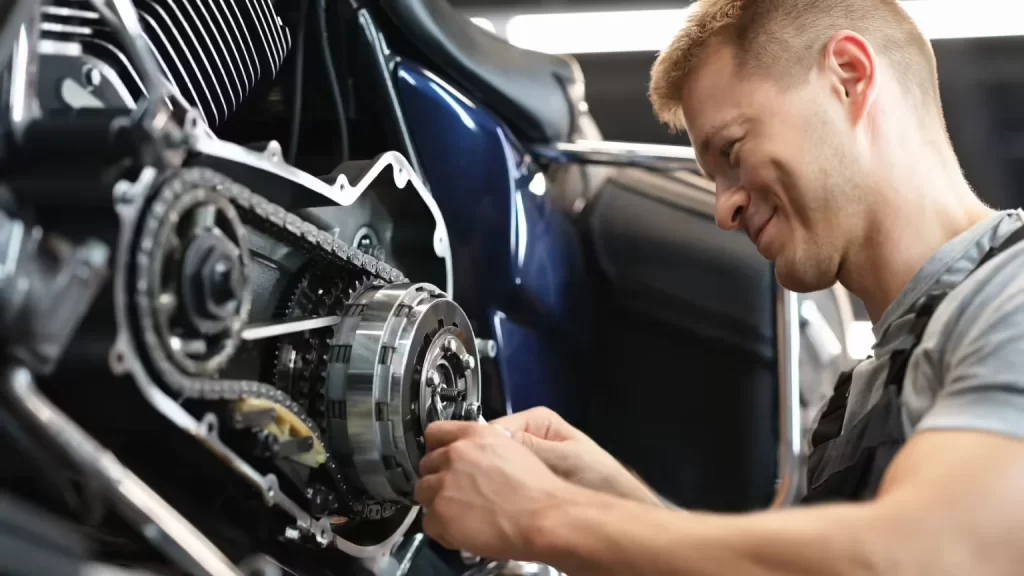
Choosing the right transmission repair shop can make all the difference in your vehicle’s performance and longevity. Below are answers to common questions about what to look for in a transmission repair shop, such as specialization in certain vehicle makes, available services, diagnostic tools, cleanliness, and professionalism.
Does the shop specialize in my vehicle’s make and model?
Shops specializing in your car’s make and model have deeper knowledge of its transmission system, allowing for more accurate diagnostics and repairs tailored to your specific vehicle.
What range of services should a good transmission shop offer?
A reputable shop provides comprehensive services, including diagnostics, repairs, rebuilds, maintenance, and fluid changes, ensuring all your transmission needs are handled in one place.
How important are advanced diagnostic tools?
Modern diagnostic tools are essential for accurately identifying transmission problems. Shops equipped with up-to-date technology can pinpoint issues faster and recommend more effective solutions.
Why does cleanliness and organization matter in a repair shop?
A clean, well-organized shop reflects professionalism and attention to detail, reducing the risk of mistakes and ensuring your vehicle is treated with care.
How can I assess the professionalism of the staff?
Professional staff will communicate clearly, answer your questions patiently, and explain repair processes transparently, making you feel informed and respected throughout the service.
Is it important for the shop to explain its repair process?
Yes, a trustworthy shop will walk you through their diagnostic and repair steps, helping you understand what’s being done and why, so you can make informed decisions.
Securing expert care for your vehicle’s transmission is fundamental to maintaining its performance and longevity. A reliable car service provider specializing in transmissions will use the right tools, technologies, and techniques to ensure your vehicle operates smoothly. This approach not only fixes current issues but also anticipates potential future problems, preventing them from developing into serious concerns. With a competent specialist, you can be confident your vehicle is in good hands, and you will likely see lower repair costs over time due to the high quality of service.
Follow a maintenance program
Ante gravida id aenean quis egestas risus nam amet nullam leo diam diam aliquam eu eu malesuada arcu rhoncus suspendisse nulla mattis ut amet sagittis in justo egestas.
search for a trusted mechanic
Lorem ipsum dolor sit amet, consectetur adipiscing elit lobortis arcu enim urna adipiscing praesent velit viverra sit semper lorem eu cursus vel hendrerit elementum morbi curabitur etiam nibh justo, lorem aliquet donec sed sit mi dignissim at ante massa mattis.
- Neque sodales ut etiam sit amet nisl purus non tellus orci ac auctor
- Adipiscing elit ut aliquam purus sit amet viverra suspendisse potent
- Mauris commodo quis imperdiet massa tincidunt nunc pulvinar
- Excepteur sint occaecat cupidatat non proident sunt in culpa qui officia
Check the air pressure in your tires
Vitae congue eu consequat ac felis placerat vestibulum lectus mauris ultrices cursus sit amet dictum sit amet justo donec enim diam porttitor lacus luctus accumsan tortor posuere praesent tristique magna sit amet purus gravida quis blandit turpis.
Review your suspension frequently
At risus viverra adipiscing at in tellus integer feugiat nisl pretium fusce id velit ut tortor sagittis orci a scelerisque purus semper eget at lectus urna duis convallis. porta nibh venenatis cras sed felis eget neque laoreet suspendisse interdum consectetur libero id faucibus nisl donec pretium vulputate sapien nec sagittis aliquam nunc lobortis mattis aliquam faucibus purus in.
- Neque sodales ut etiam sit amet nisl purus non tellus orci ac auctor
- Adipiscing elit ut aliquam purus sit amet viverra suspendisse potent
- Mauris commodo quis imperdiet massa tincidunt nunc pulvinar
- Excepteur sint occaecat cupidatat non proident sunt in culpa qui officia
Service your vehicle as regularly as posible
At risus viverra adipiscing at in tellus integer feugiat nisl pretium fusce id velit ut tortor sagittis orci a scelerisque purus semper eget at lectus urna duis convallis. porta nibh venenatis cras sed felis eget neque laoreet suspendisse interdum consectetur libero id faucibus nisl donec pretium vulputate sapien nec sagittis aliquam nunc lobortis mattis aliquam faucibus purus in.
“Nisi quis eleifend quam adipiscing vitae aliquet bibendum enim facilisis gravida neque velit euismod in pellentesque”
Conclusion
Eget lorem dolor sed viverra ipsum nunc aliquet bibendum felis donec et odio pellentesque diam volutpat commodo sed egestas aliquam sem fringilla ut morbi tincidunt augue interdum velit euismod eu tincidunt tortor aliquam nulla facilisi aenean sed adipiscing diam donec adipiscing ut lectus arcu bibendum at varius vel pharetra nibh venenatis cras sed felis eget.