Exploring The Unique Aspects of Diesel Transmission Care
Discover essential maintenance practices for diesel transmissions—from specialized fluids and timely filter changes to professional inspections—to boost durability and avoid expensive repairs.
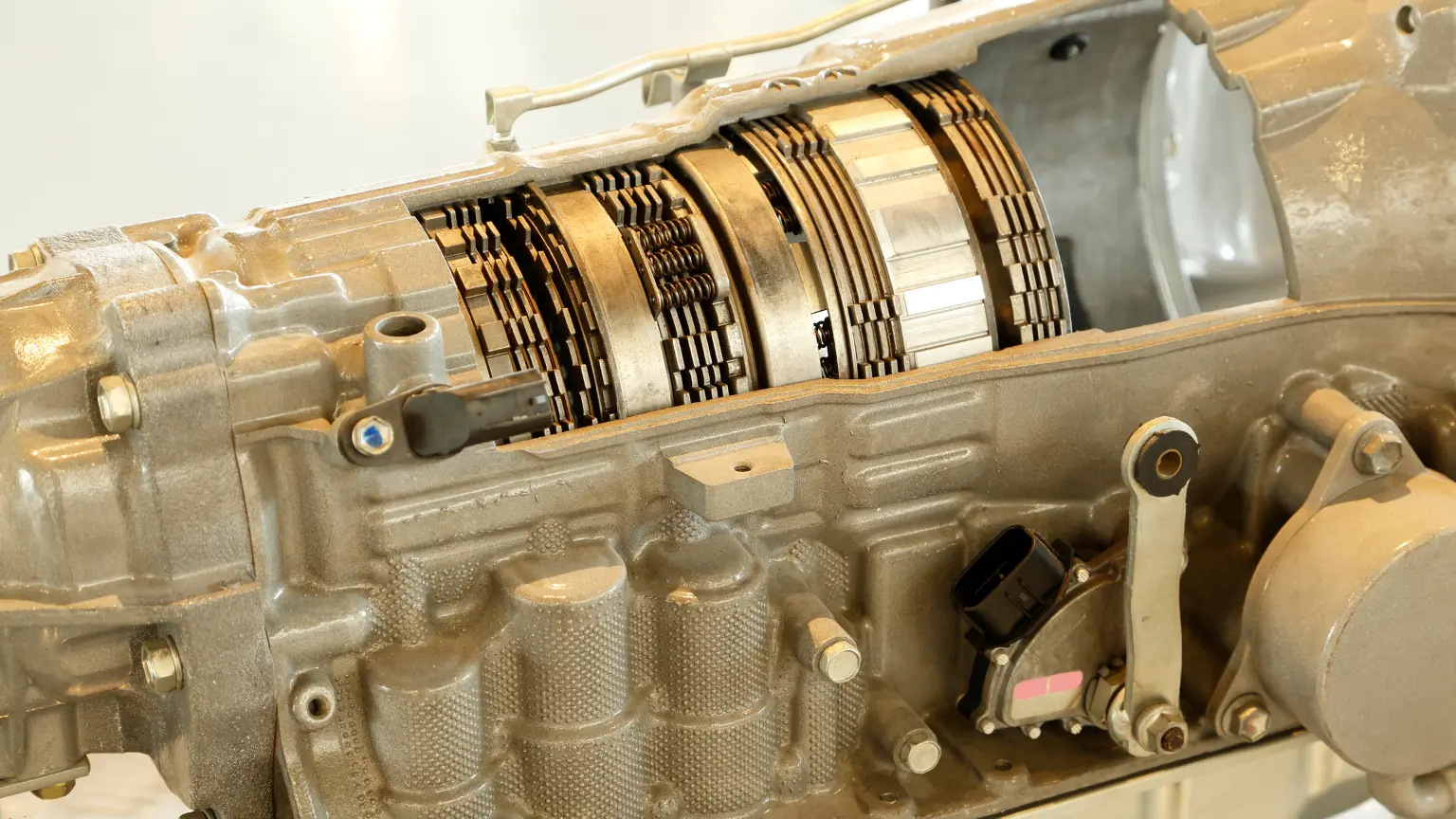
Diesel engines differ in design and performance, especially in their transmission systems. Diesel vehicles are known for their powerful engines that deliver high torque, making them an ideal choice for tasks that demand heavy-duty performance, like towing and hauling. These tasks, however, can put a unique strain on the transmission, meaning that transmission care for diesel engines often requires special attention compared to gasoline-powered systems. Since diesel vehicles are often tasked with heavy-duty operations, such as towing and carrying substantial loads, their transmissions endure significantly more wear and tear. Regular transmission care, tailored to diesel specifications, can prevent major problems before they start.
Understanding Diesel Transmission Mechanics
High Torque Handling in Diesel Transmissions
High torque is a hallmark of diesel engines, but it also presents a challenge for automatic transmission systems. Diesel engines generate torque at low RPMs, which means they require transmissions capable of handling intense power at lower speeds. This differs from gasoline engines, where torque generally builds at higher RPMs, placing a different demand on the transmission. The focus on torque handling in diesel systems is crucial for preventing transmission slippage and extending the life of components, especially under heavy-duty conditions. For these reasons, diesel transmission service must prioritize components that can accommodate sustained torque loads.
Structural Design Differences in Diesel Systems
The structural design of diesel transmissions also sets them apart. Unlike gasoline transmissions, which are generally lighter, these transmissions tend to have reinforced components to withstand the continuous power demands typical of diesel engines. Heavier-duty materials and enhanced gears are often used to reduce wear, which helps prevent transmission repairs. Additionally, the design ensures these transmissions are not only durable but also maintain consistent power output even during prolonged use. This reinforced design allows the transmission to operate efficiently under high stress, supporting reliable performance in demanding environments.
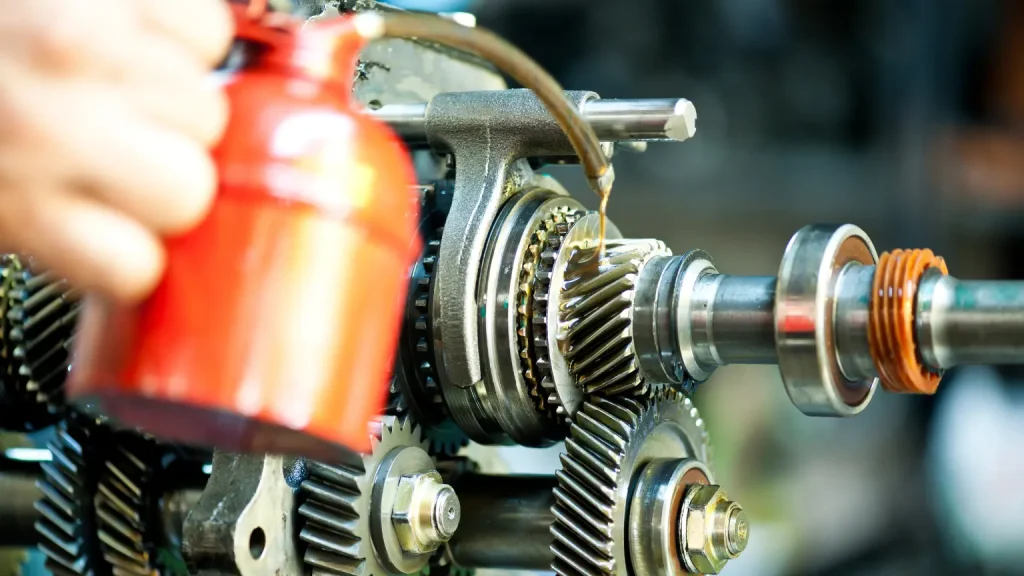
Impact of Diesel Performance on Transmission Wear
A powerful engine can be both a strength and a strain when it comes to transmission care in diesel vehicles. The high-performance nature of diesel engines results in additional wear on the transmission, especially if it’s subjected to frequent heavy loads. Each time a diesel vehicle tows or hauls, the transmission is subjected to additional stress. Over time, without proper care and maintenance, this can lead to common issues such as slippage, overheating, or fluid degradation. Consistent diesel transmission repair can help address wear issues, yet proactive maintenance often makes a bigger difference by preventing severe damage.
Recognizing Early Warning Signs
Identifying the early warning signs of transmission trouble is one of the most effective strategies for protecting your diesel vehicle from costly repairs and unexpected breakdowns. Diesel transmissions, due to their heavy-duty applications and high torque demands, are particularly susceptible to accelerated wear and stress. Subtle changes, such as faint whining noises, delayed or rough gear shifts, unexplained vibrations, or even slight fluid leaks, often serve as the first indicators of underlying issues that, if left unaddressed, can escalate into major mechanical failures. Paying close attention to these small clues allows owners and operators to intervene early, scheduling maintenance or repairs before minor symptoms develop into catastrophic problems. For example, a slight hesitation when shifting gears might point to fluid degradation or a developing internal component issue, while a persistent burning smell could signal overheating or impending clutch failure. By catching these symptoms early, it is possible to prevent further damage to critical transmission components, such as gears, torque converters, and seals, ultimately extending the transmission's lifespan and reducing downtime.
Essential Maintenance Practices for Diesel Transmissions
Importance of Specialized Transmission Fluids
One key aspect of diesel transmission maintenance is the use of fluids specifically designed to handle the intense power output of diesel engines. These specialized fluids are formulated to provide optimal lubrication, reduce friction, and prevent overheating, particularly in high-torque environments. Using generic fluids can result in poor lubrication and increased wear on transmission components, leading to potential issues that may require transmission repair. By using the right fluids, owners can enhance transmission performance and reduce the risks associated with heavy-duty operation, ultimately prolonging the system’s lifespan.
Regular Checks on Fluid Quality and Levels
Maintaining appropriate fluid levels and quality is vital for any automatic transmission, but especially so in diesel vehicles, where fluid breakdown can lead to more significant issues. Diesel transmissions work harder and run hotter, which can cause fluid to degrade faster, reducing its ability to protect and cool the system. Routine checks and timely replacements help prevent common issues, such as overheating and gear slippage, both of which can escalate into costly repairs. Proactive attention to transmission care in the form of fluid maintenance helps keep the transmission functioning at its best, even under demanding conditions.
Driveline and Component Checks
When it comes to comprehensive diesel transmission care, regular inspection of the driveline and its associated components, driveshafts, U-joints, differentials, and axles, plays a pivotal role in ensuring the reliability and longevity of the entire powertrain. These components work in concert to transfer the immense torque generated by diesel engines from the transmission to the wheels, making them fundamental to vehicle performance, especially under heavy-duty conditions. Due to the high torque and frequent load demands placed on diesel vehicles, driveline parts are subject to significant stress, which can accelerate wear and increase the likelihood of failure if not properly maintained. Routine checks allow technicians to catch early signs of trouble, such as vibration, clunking, or unusual noises, which often indicate issues like worn U-joints, imbalanced driveshafts, or differential problems. Left unaddressed, these symptoms can progress to catastrophic failures, resulting in costly repairs, unplanned downtime, and even safety hazards on the road.
A thorough driveline inspection typically involves checking the driveshaft for straightness, ensuring that U-joints are properly lubricated and free from excessive play, and examining differential housings for leaks or overheating. U-joints, in particular, are prone to wear due to their constant motion and exposure to contaminants; regular greasing and inspection help prevent sudden failure that could otherwise immobilize the vehicle. Differentials, which distribute torque between the wheels, require periodic oil changes and monitoring for noise or metal shavings that might indicate internal wear. Axle shafts and their bearings should be checked for signs of twisting, overheating, or lubricant loss, as these issues can lead to misalignment or even axle breakage under load. Additionally, ensuring that all mounts and fasteners are secure helps prevent driveline vibration, which, if ignored, can damage not only the driveline but also transmission and suspension components.
Proactive driveline and component checks are vital for diesel vehicles used in towing, hauling, or off-road environments, where the risk of driveline stress and damage is heightened. By integrating these inspections into routine maintenance schedules, owners can address minor issues before they escalate, extending the lifespan of both the transmission and the broader powertrain. This approach minimizes the risk of unexpected breakdowns and supports safe, efficient operation even in the most demanding conditions.
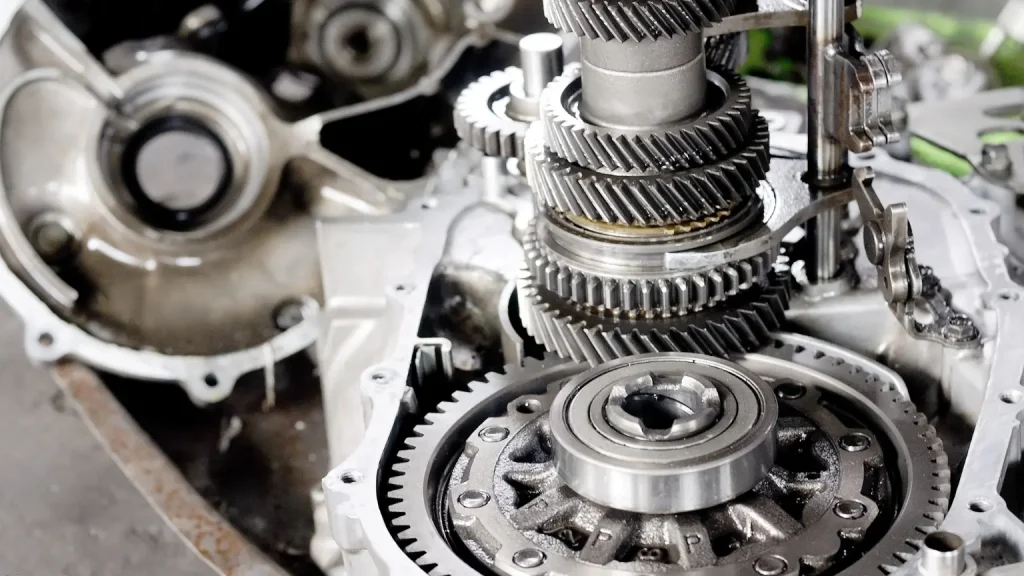
Timely Filter Replacements for Optimal Performance
Replacing filters on time not only keeps the fluid clean but also protects key transmission components from damage, reducing the risk of costly repairs.
- Prevents Contaminant Buildup: Diesel engines, especially under heavy use, tend to accumulate contaminants quickly. Regular filter replacements prevent these particles from building up in the transmission fluid.
- Enhances Fluid Circulation: Clean filters allow for efficient fluid circulation, essential for cooling and lubricating transmission components, which reduces the chance of overheating.
- Reduces Component Wear: Filters capture harmful particles before they reach critical parts of the transmission, minimizing wear on gears, torque converters, and other high-stress components.
- Supports Overall Transmission Efficiency: By preventing blockages and maintaining fluid quality, timely filter replacements help the transmission operate smoothly and effectively, even under tough conditions.
- Minimizes the Need for Costly Repairs: Clean filters and unrestricted fluid flow reduce the risk of significant transmission damage, potentially saving owners from costly transmission repairs.
Consistent filter maintenance is a key aspect of diesel transmission service, contributing to long-term performance and reliability. Diesel engines demand more from their transmissions, making regular filter replacement vital for avoiding fluid flow restrictions that can lead to severe damage and expensive repairs.
Inspections of Key Components Under High Torque
Given the high torque involved in diesel applications, regular inspections of key components are essential to prevent premature wear and mechanical issues. Diesel engines place significant stress on parts such as gears, torque converters, and cooling systems, all of which can wear down faster under heavy loads. Routine inspections allow any emerging problems to be addressed before they affect transmission performance. This level of professional transmission service ensures that each component receives the attention it needs, providing peace of mind to owners and reducing the likelihood of unexpected breakdowns. Consistent inspections help maintain the strength and reliability of the transmission, safeguarding the vehicle's functionality over time.
Impact of ECM Tuning on Transmission
Electronic control module (ECM) tuning has become increasingly popular among diesel vehicle owners seeking to enhance engine performance, fuel efficiency, or towing capabilities. However, altering the ECM’s factory settings can significantly affect transmission operation and long-term durability. When an ECM is tuned for increased horsepower or torque, the transmission is often subjected to higher stress than it was designed to withstand. This added strain can accelerate wear on clutches, gears, and other internal components, potentially leading to premature failure if the transmission is not upgraded or serviced accordingly. Additionally, aggressive tuning may alter shift points, line pressure, and torque converter lockup strategies, impacting the smoothness and timing of gear changes. While some ECM tunes are designed to improve fuel economy and may reduce overall transmission stress, performance-oriented tunes typically require more frequent maintenance and closer monitoring of fluid condition and temperature. To protect transmission longevity, it is crucial to use reputable, certified tuners who understand the intricate relationship between ECM parameters and transmission function. Owners should also consider regular transmission inspections and fluid changes as part of their maintenance routine, especially if their diesel vehicle has been tuned.
Common Diesel Transmission Issues and Repairs
Identifying and Addressing Torque Converter Problems
The torque converter is central to the operation of an automatic transmission, especially in diesel engines, where it must handle greater torque than its gasoline counterparts. Diesel torque converters transmit power from the engine to the transmission, but over time, they may experience reduced efficiency or even failure if subjected to ongoing strain without proper care.
Managing Overheating in Diesel Transmissions
Overheating is a common issue in diesel transmissions, especially when towing or hauling heavy loads. The increased heat generated by these tasks can degrade transmission fluid quickly, impacting its ability to lubricate and cool internal components effectively. Left unchecked, overheating can lead to severe internal damage, including warping of parts and fluid leaks. Proactive transmission services, such as regular fluid changes and inspections of cooling components, help control temperature levels and protect the transmission from heat-related damage. Preventive care focused on overheating management preserves the health and longevity of the diesel transmission.
Recognizing and Repairing Gear Slippage
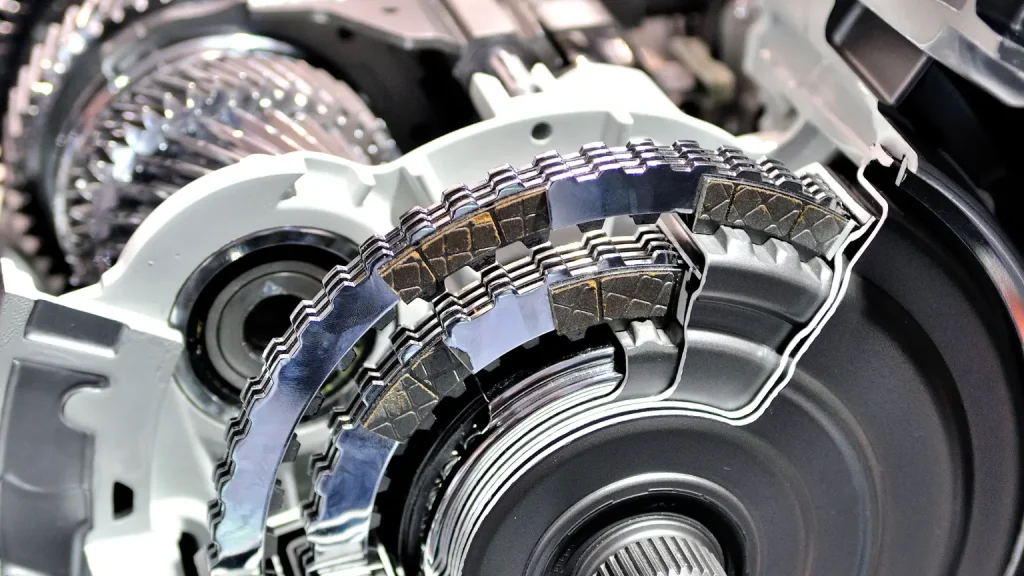
Gear slippage, where the transmission unexpectedly shifts out of gear, is another common issue in diesel engines and can be a sign of underlying mechanical or fluid-related problems. In diesel transmissions, gear slippage may be triggered by worn clutch packs, low-quality fluid, or excessive heat, all of which weaken the transmission’s ability to maintain stable shifts. This condition not only disrupts performance but can also increase the strain on other parts. Addressing gear slippage promptly with professional transmission service ensures that the transmission can handle high torque demands and maintain reliable operation, especially during heavy-duty tasks.
Diagnosing Diesel Transmission-Specific Issues
Diesel transmissions require specific diagnostic approaches due to their unique mechanical demands. Unlike gasoline engines, which may share a broader set of issues across models, diesel engines often exhibit transmission problems related to torque, fluid flow, and wear patterns exclusive to diesel performance. For example, higher torque can accelerate wear on gears and converters, while lower engine RPMs may require different fluid properties to function effectively. Finding a technician experienced in diesel transmission repair can make a substantial difference, as these professionals use targeted diagnostics to identify issues unique to diesel setups, allowing for repairs that address the root of each problem.
The Value of Professional Diesel Transmission Service
Benefits of Seeking Experienced Diesel Technicians
An expert technician brings tailored strategies, helping to identify and prevent issues specific to diesel engines that might otherwise go unnoticed.
- Specialized Knowledge: Diesel technicians possess a deep understanding of diesel transmission systems, enabling them to apply strategies that address the particular needs of these engines.
- Enhanced Handling of High Torque: Professionals trained in diesel systems know how to manage the high torque levels these transmissions face, preventing unnecessary wear.
- Proactive Maintenance Approach: With experienced technicians, owners can rely on preventive care that identifies potential problems before they escalate into serious issues.
- Improved Transmission Performance: By choosing a skilled technician, owners ensure that each service optimizes the transmission's functionality, promoting smoother and more efficient operation.
- Cost Savings Through Preventive Care: Knowledgeable technicians help reduce repair costs by catching minor issues early and preventing costly fixes that can result from neglected maintenance.
Diesel transmissions require diagnostic approaches that account for their particular operating conditions and performance expectations. Professional diesel technicians are equipped with diagnostic tools and techniques that allow them to accurately assess transmission health and identify potential issues early on. This approach to transmission care is especially important for preventing recurring problems that might not be easily detected with standard diagnostic methods. By using specialized tools and knowledge, diesel technicians can pinpoint the root causes of transmission issues, ensuring that repairs are both efficient and effective.
Finding Reliable Local Transmission Repair Options
Choosing a trustworthy local transmission repair shop for diesel maintenance is crucial for vehicle longevity and performance. Local shops that specialize in diesel engines offer a convenient and accessible solution for regular maintenance, allowing owners to build a relationship with technicians who are familiar with their vehicle's specific needs. A reliable local shop provides the added benefit of consistent monitoring and service records, which can help technicians track performance over time and proactively address any developing issues. Investing in a local shop for diesel transmission service ensures that maintenance is handled by professionals who understand the unique requirements of diesel transmissions.
Questions to Ask When Choosing a Repair Shop
Selecting the right repair shop is an important decision, particularly for diesel vehicle owners who depend on specialized transmission care to keep their engines running smoothly. Key questions, such as whether the shop has experience with diesel transmissions, what diagnostic tools they use, and how they handle high-torque applications, can reveal valuable insights about their expertise. Additionally, understanding their sourcing process and warranty policies can provide added confidence in their service. A qualified shop can address these questions clearly, helping owners make informed decisions about the ongoing care of their automatic transmission and ensuring long-term reliability.
Relying on a skilled automatic transmission mechanic for maintenance and repairs is a wise approach, as these professionals are equipped with the expertise and tools necessary to diagnose and resolve diesel-specific issues. Working with a knowledgeable mechanic provides a level of care that ensures reliable performance under heavy loads and high torque conditions, ultimately giving owners confidence in their vehicle’s performance and longevity. Keep your diesel vehicle running strong under heavy loads with expert transmission service and repair by scheduling an appointment at Trans Medic Transmissions. With ongoing preventive care, diesel transmissions can continue to deliver exceptional power and durability, supporting heavy-duty tasks with dependability.
Follow a maintenance program
Ante gravida id aenean quis egestas risus nam amet nullam leo diam diam aliquam eu eu malesuada arcu rhoncus suspendisse nulla mattis ut amet sagittis in justo egestas.
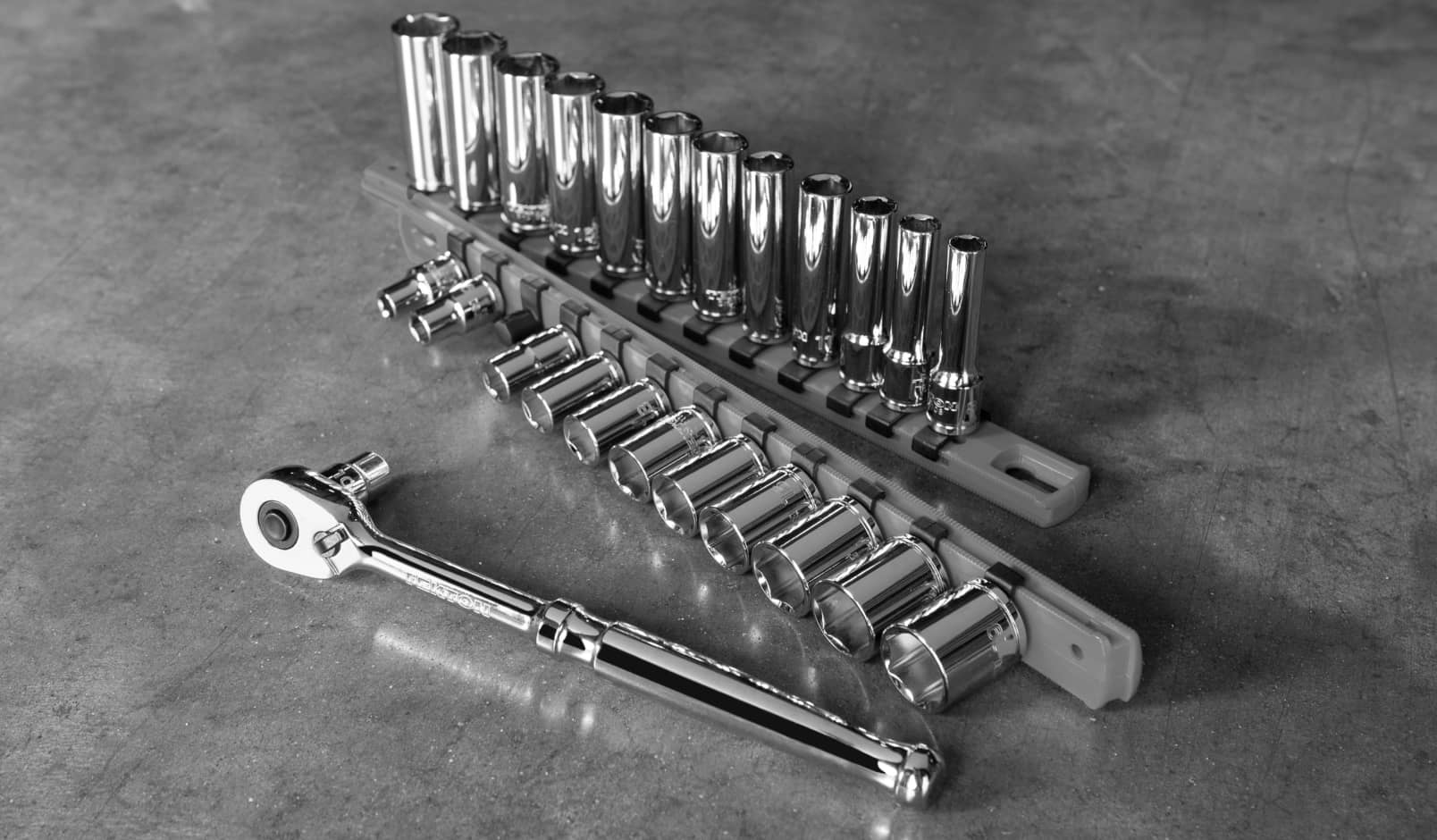
search for a trusted mechanic
Lorem ipsum dolor sit amet, consectetur adipiscing elit lobortis arcu enim urna adipiscing praesent velit viverra sit semper lorem eu cursus vel hendrerit elementum morbi curabitur etiam nibh justo, lorem aliquet donec sed sit mi dignissim at ante massa mattis.
- Neque sodales ut etiam sit amet nisl purus non tellus orci ac auctor
- Adipiscing elit ut aliquam purus sit amet viverra suspendisse potent
- Mauris commodo quis imperdiet massa tincidunt nunc pulvinar
- Excepteur sint occaecat cupidatat non proident sunt in culpa qui officia
Check the air pressure in your tires
Vitae congue eu consequat ac felis placerat vestibulum lectus mauris ultrices cursus sit amet dictum sit amet justo donec enim diam porttitor lacus luctus accumsan tortor posuere praesent tristique magna sit amet purus gravida quis blandit turpis.
Review your suspension frequently
At risus viverra adipiscing at in tellus integer feugiat nisl pretium fusce id velit ut tortor sagittis orci a scelerisque purus semper eget at lectus urna duis convallis. porta nibh venenatis cras sed felis eget neque laoreet suspendisse interdum consectetur libero id faucibus nisl donec pretium vulputate sapien nec sagittis aliquam nunc lobortis mattis aliquam faucibus purus in.
- Neque sodales ut etiam sit amet nisl purus non tellus orci ac auctor
- Adipiscing elit ut aliquam purus sit amet viverra suspendisse potent
- Mauris commodo quis imperdiet massa tincidunt nunc pulvinar
- Excepteur sint occaecat cupidatat non proident sunt in culpa qui officia
Service your vehicle as regularly as posible
At risus viverra adipiscing at in tellus integer feugiat nisl pretium fusce id velit ut tortor sagittis orci a scelerisque purus semper eget at lectus urna duis convallis. porta nibh venenatis cras sed felis eget neque laoreet suspendisse interdum consectetur libero id faucibus nisl donec pretium vulputate sapien nec sagittis aliquam nunc lobortis mattis aliquam faucibus purus in.
“Nisi quis eleifend quam adipiscing vitae aliquet bibendum enim facilisis gravida neque velit euismod in pellentesque”
Conclusion
Eget lorem dolor sed viverra ipsum nunc aliquet bibendum felis donec et odio pellentesque diam volutpat commodo sed egestas aliquam sem fringilla ut morbi tincidunt augue interdum velit euismod eu tincidunt tortor aliquam nulla facilisi aenean sed adipiscing diam donec adipiscing ut lectus arcu bibendum at varius vel pharetra nibh venenatis cras sed felis eget.