Essential Tools for Transmission Dismantling and Assembly
Precision transmission repairs demand the right tools—from snap ring pliers and bearing pullers to torque wrenches and valve body jigs—to safely dismantle, rebuild, and diagnose manual and automatic systems.
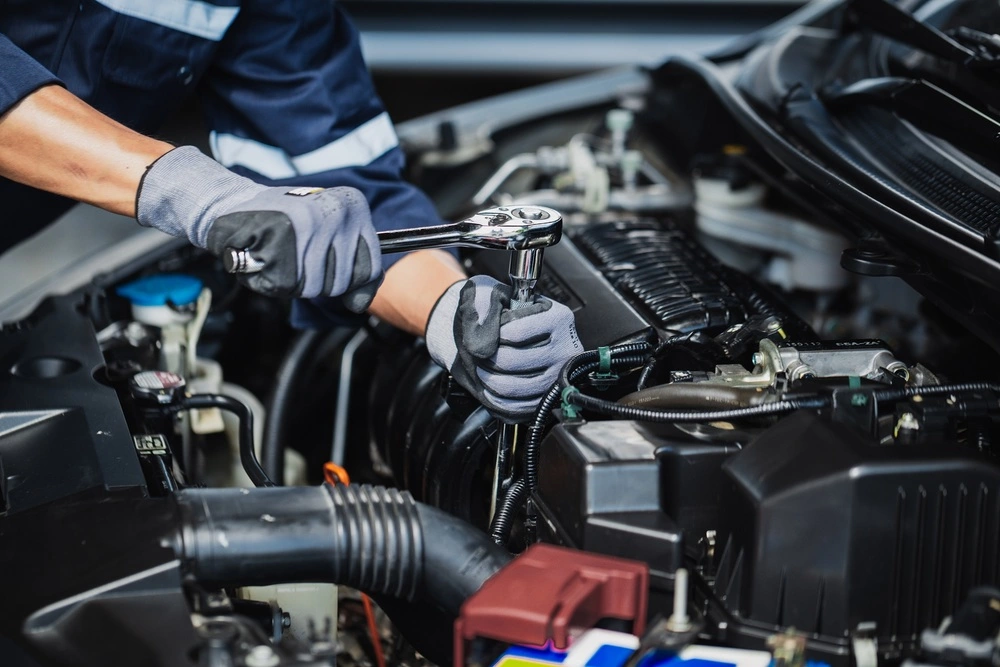
Transmission assembly tools are vital for mechanics to perform efficient and reliable repairs on automatic and manual systems. The difference between a quick, successful repair and a prolonged, problem-ridden process often lies in precision tools designed specifically for transmission repair. Having the right tools not only ensures the job is done correctly but also protects the vehicle’s intricate components from damage during dismantling and reassembly. This blog post on proper tools highlights their significance in reducing the likelihood of errors, which can lead to costly rework and customer dissatisfaction.
Essential Transmission Dismantling Tools
Snap Ring Pliers for Retaining Rings
These pliers are designed to handle snap rings, a common component used to secure parts within the transmission. The unique design of snap ring pliers allows manipulation and removal of snap rings without damaging the parts or the rings. This tool is crucial for performing a thorough and damage-free transmission dismantling process.
Seal Pullers
Another essential tool in a transmission mechanic's toolkit is the seal puller. Used for extracting old and worn seals, it helps prevent scratches or other damage to the shafts and housings. Using the right seal puller ensures that the seals can be removed efficiently without harming other transmission components.
Bearing Pullers
Designed to remove bearings safely and effectively from transmission shafts, these tools are crucial because bearings are often fitted tightly within the transmission and require precise force to extract without causing damage. Bearing pullers come in different types and sizes, making them suitable for various bearing styles and configurations. Having the right bearing puller in your transmission rebuilding tool set can save significant time and prevent damage during dismantling.
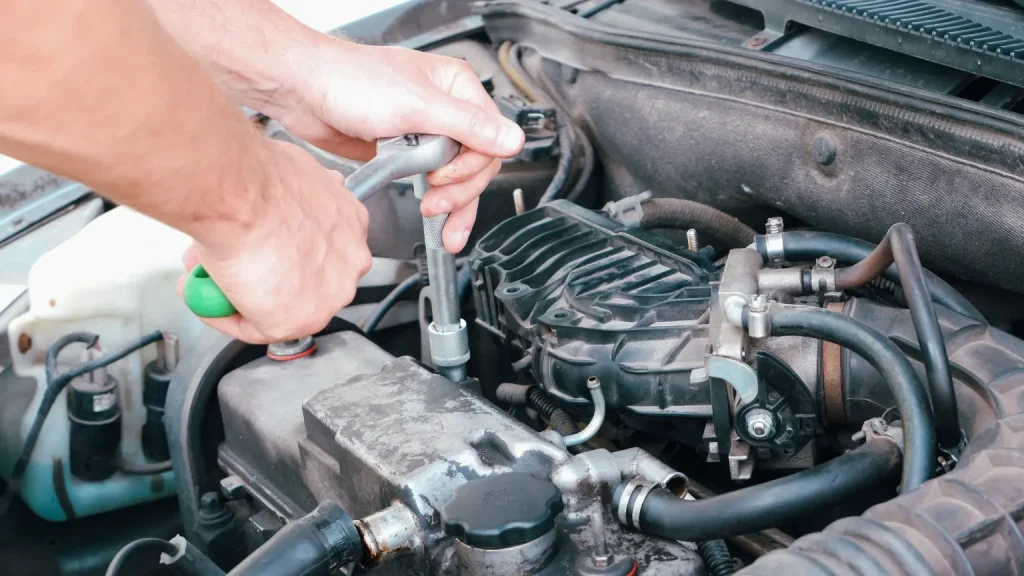
Transmission Holding Fixtures
These fixtures hold the transmission steady, providing a stable platform that facilitates easier access to internal components and reduces the risk of errors during disassembly. Using a transmission holding fixture helps maintain the alignment and integrity of the structure, which is crucial for the reassembly and overall functioning of the system.
Assembly and Measurement Tools
Tools used during the assembly phase and for precise measurement include torque wrenches, dial indicators, and bushing drivers. Precision is paramount to ensure reliable performance and longevity.
Torque Wrenches
Torque wrenches are essential in ensuring that all fasteners within the transmission are tightened to the specified torque value, which is crucial for the transmission's longevity and functionality. The precision these wrenches provide helps prevent over-tightening, which can lead to stripped threads, or under-tightening, which may cause components to loosen over time. This tool is particularly important when working on sensitive components that require an exact force for optimal performance.
Valve Body Alignment Jigs
For those working with automatic transmission tools, valve body alignment jigs are indispensable. These jigs ensure that the valve body, which controls the hydraulic fluid within automatic transmissions, is aligned correctly during reassembly. Proper alignment is crucial as it affects the transmission’s ability to shift gears smoothly. Using a valve body alignment jig, mechanics can reduce the likelihood of post-repair complications, enhancing the reliability of their work.
Bushing Drivers
Bushing drivers assist in accurately installing new bushings during the transmission assembly process. Bushings must be set precisely to avoid any misalignment, which can affect the transmission's operation. These drivers come in various sizes to fit different bushing types and sizes, ensuring that each bushing is installed without damage to the bushing or the housing.
Specialized Tools
The assembly of synchronizers and gears within transmissions, particularly in manual systems, requires meticulous attention to detail and precision. Here, specialty transmission tools play a pivotal role. Careful handling is crucial for the proper functioning of the manual transmission.
- Gear Installers: These are precision tools designed to slide gears onto shafts without causing damage to the gear teeth or the shaft surface. They distribute pressure evenly during installation, preventing dents, scratches, or misalignments that could lead to operational issues. It often comes with adjustable settings for different gear sizes, ensuring compatibility across various transmission types. By maintaining the structural integrity of the gears and shafts, gear installers are crucial for achieving a seamless fit that supports optimal transmission function. Using this tool reduces the time and effort required for manual installations, enhancing both efficiency and accuracy in assembly.
- Synchronizer Compressors: Synchronizer compressors are specifically engineered to handle synchronizer rings and hubs with care. They ensure that the synchronizer fits snugly into its designated position, promoting smooth gear shifts and reducing wear over time. The design of synchronizer compressors often includes ergonomic grips and precise control mechanisms, allowing technicians to apply the right amount of force without overdoing it. This precision is especially critical for maintaining the synchronizer’s integrity and ensuring the long-term reliability of the transmission system.
- Shaft Support Stands: Shaft support stands provide stability and accessibility during the assembly of synchronizers and gears. These stands hold the shafts securely, minimizing movement and vibration while work is being performed. By keeping the shafts steady, shaft support stands enable precise alignment of gears and synchronizers, reducing the likelihood of errors. They also improve safety by preventing the shaft from slipping or falling during assembly. Many shaft support stands are adjustable and portable, making them versatile for use in different workshop settings. Their robust design ensures durability, even when handling heavy or complex transmission components.
- Circlip Installers: These tools ensure that circlips are installed evenly and securely, preventing gaps or misalignments that could cause the transmission to malfunction. Circlip installers are designed to grip and position circlips precisely, reducing the risk of snapping or deforming these components during installation. Their compact design makes them easy to use in tight spaces, a common challenge in transmission assembly. By ensuring the proper placement of circlips, these tools contribute to the overall stability and efficiency of the transmission system.
They play a vital role in extending the life and reliability of transmission systems by minimizing the risk of damage and ensuring precise alignment. Investing in these tools is a must for technicians aiming for professional-grade results in manual transmission repair and assembly.
Specialty Tools for Transmission Repair
Gear and Shaft Presses for Heavy-Duty Work
In the realm of transmission shop tools, gear, and shaft presses stand out for their ability to handle the heavy-duty pressing operations required during transmission repair. These presses apply controlled pressure to install or remove gears and shafts, ensuring that these components are neither damaged nor misaligned during the process.
Clutch Alignment Tools
For repairs involving manual transmission tools, clutch alignment tools are indispensable. They ensure that the clutch disc is perfectly aligned with the pilot bearing, facilitating smoother engagement and disengagement of the clutch. Proper alignment is crucial to avoid premature wear and tear on the transmission and to ensure optimal performance. Mechanics rely on these tools to maintain the integrity and efficiency of the clutch system.
Hydraulic Jacks and Transmission Stands
Both are essential for safely lifting and supporting transmissions during both dismantling and assembly. These tools provide the stability needed to perform intricate repairs without risking damage to the transmission or injury to the mechanic. By using hydraulic jacks and stands, shops can enhance their operational safety protocols and ensure that transmissions are handled with the utmost care.
Diagnostic Tools for Testing
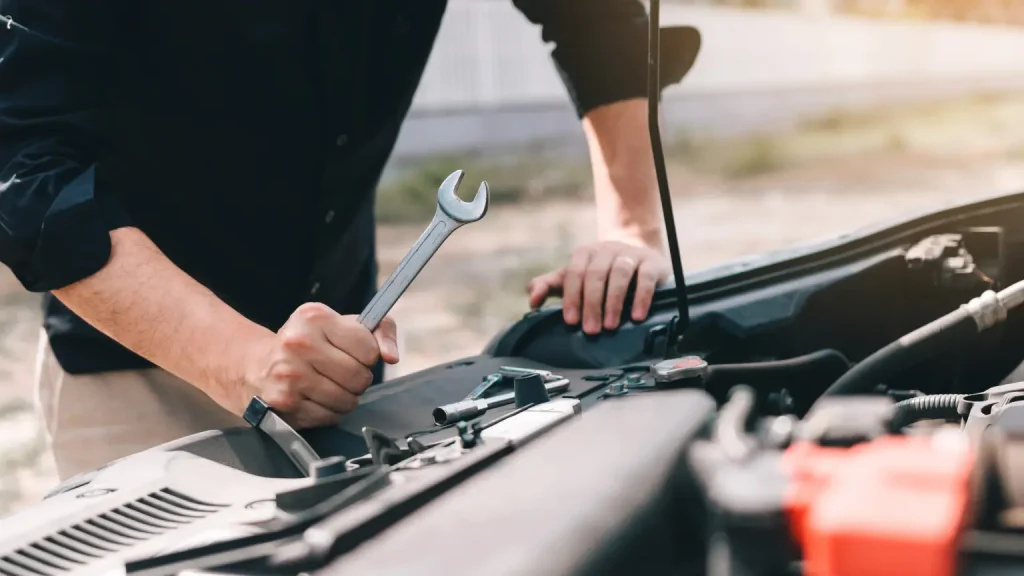
Diagnostic tools are vital in identifying issues within a transmission before they lead to major repairs. Proactive testing is crucial in preventing extensive damage and in maintaining the transmission’s longevity. Here's how essential diagnostic tools benefit testing:
- Transmission Fluid Pressure Testers: Low or inconsistent pressure levels can indicate problems such as leaks, clogged filters, or failing pumps. By detecting these issues early, technicians can prevent damage to the transmission's internal components. Pressure testers are typically equipped with gauges and adapters to ensure compatibility with different transmission models. This tool not only helps identify problems but also verifies the effectiveness of repairs, making it a vital component in transmission diagnostics.
- Electronic Diagnostic Kits: Electronic diagnostic kits connect directly to a vehicle's onboard computer system, allowing mechanics to access and interpret data from the transmission control module. These kits are essential for identifying electronic malfunctions, such as faulty sensors or software errors, that could impair the transmission's performance. By providing real-time data on parameters like shift timing, torque converter operation, and solenoid function, these tools help pinpoint issues quickly and accurately. Many electronic diagnostic kits have advanced features like code readers, live data streaming, and customizable settings for specific vehicle models. Their ability to diagnose complex electronic issues makes them invaluable in modern automotive repair.
- Automotive Stethoscopes: Automotive stethoscopes are specialized listening tools used to locate unusual noises within the transmission system. These noises, such as grinding, clicking, or whining, can indicate issues like worn gears, failing bearings, or improper alignment. By amplifying and isolating these sounds, stethoscopes enable technicians to identify the exact source of the problem without disassembling the entire transmission. They are especially useful for diagnosing mechanical issues that might not be immediately evident through visual inspection. Lightweight and portable, automotive stethoscopes are a simple yet powerful tool for enhancing diagnostic precision and efficiency.
- Infrared Thermometers: Infrared thermometers are critical in detecting temperature-related issues within the transmission system. These tools measure the surface temperatures of various components, helping technicians identify hot spots or areas of excessive heat. Overheating is a common symptom of insufficient lubrication, slipping clutches, or excessive friction. Infrared thermometers allow for quick and non-invasive temperature checks, making them ideal for spotting problems before they cause permanent damage. Many models include laser targeting and adjustable emissivity, ensuring accurate readings across different materials.
These tools not only save time but also prevent costly repairs by catching problems early. For technicians aiming to maintain the highest standards of service, investing in high-quality diagnostic equipment is essential. By integrating these tools into their workflow, professionals can enhance their ability to deliver reliable and long-lasting transmission solutions.
Enhancing Workflow with Tool Organization
Efficient transmission repair hinges not only on technical know-how but also on how well tools are organized and how systematically tasks are approached. A well-structured tool organization system and thoughtfully crafted checklists can dramatically improve workflow, reduce downtime, and minimize costly errors during transmission dismantling and assembly. The foundation of an effective tool organization strategy begins with categorizing tools based on their function, such as grouping diagnostic instruments, hand tools, specialty transmission devices, and cleaning equipment separately. The tools required for cleaning and inspecting transmission components for wear or damage ensure that parts are suitable for reuse. Using dedicated storage solutions such as drawer inserts, foam cutouts, or pegboards helps keep each tool visible and accessible, ensuring that no time is wasted searching for misplaced items. Color-coded labels or etched markings can further streamline the process, allowing technicians to quickly identify the right tool for each task, even in high-pressure situations.
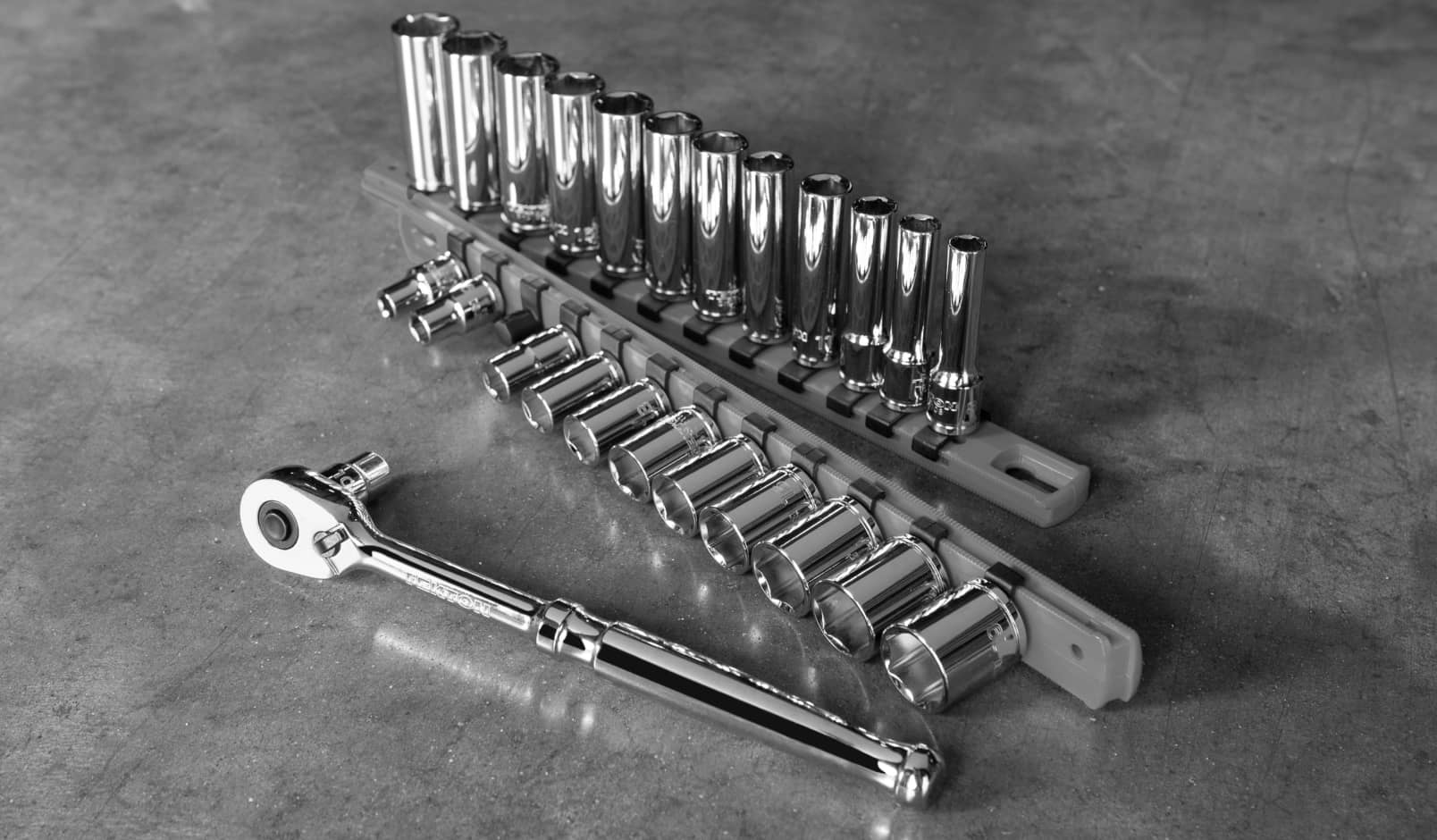
Beyond physical organization, establishing a standardized tool checklist for every transmission repair job is crucial. Before beginning work, technicians should review and verify the availability of all essential tools required for the specific transmission model and repair scope. This pre-task checklist might include items such as socket and wrench sets, pliers, screwdrivers, specialty pullers, and measurement devices. By confirming each tool’s presence and condition beforehand, the risk of mid-repair interruptions is greatly reduced. Additionally, integrating a post-repair checklist ensures that all tools are accounted for at the end of the job, preventing loss and maintaining workshop order. For larger or more complex repairs, modular storage systems, such as rolling toolboxes or wall-mounted cabinets, allow for easy customization and adaptation to different projects, while magnetic trays are invaluable for keeping track of small components like screws, clips, and fasteners.
Digital solutions can further enhance efficiency. Utilizing repair management software or mobile checklist apps enables technicians to track tool usage, log completed steps, and flag missing items in real time. These digital records not only improve accountability but also provide valuable data for refining future workflows. For teams working in shared spaces, assigning specific tool zones and implementing a sign-out system for high-value or specialized tools can prevent bottlenecks and foster a sense of collective responsibility. Regularly scheduled audits and cleaning sessions keep the workspace safe and organized, reinforcing good habits across the team.
Personal Protective Equipment and Safety Precautions
When working with transmissions, prioritizing safety is essential to avoid exposure to sharp components, heavy parts, and hazardous fluids. Always wear safety goggles to shield your eyes from debris, metal shavings, and splashing chemicals, and use durable gloves to protect your hands from cuts, abrasions, and contact with transmission fluid. Proper clothing can further reduce the risk of injury. Additionally, ensure the work area is well-ventilated and free of clutter to prevent accidents. Adhering to these safety measures not only protects you from harm but also promotes a more efficient and focused repair process.
Lifting and Holding Equipment
The use of specialized lifting and holding equipment is essential for both safety and efficiency. Transmission jacks, holding fixtures, and hydraulic stands are designed to securely support and maneuver heavy transmissions during removal, installation, or servicing. These tools minimize the risk of accidental drops or injuries, provide stability for precise work, and make it easier to align components. Investing in proper lifting equipment ensures a smoother, safer, and more professional repair process.
Creating a Transmission Repair Tool Checklist
Tools for Cleaning and Inspection
Maintaining a clean and well-inspected transmission is critical for its performance and longevity. This begins with having the right tools for cleaning, such as parts washers and solvent-based cleaners, which remove dirt and grime from transmission components effectively. Inspection tools like magnifying glasses and LED lights are also crucial, allowing mechanics to examine internal parts closely for any signs of wear or damage.
Must-Have Tools for Disassembly and Assembly
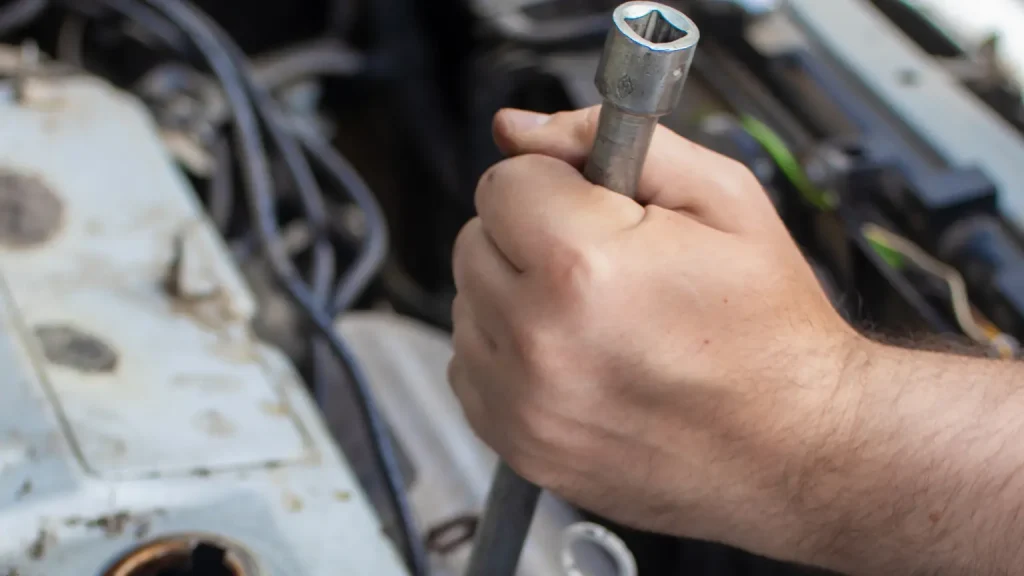
When disassembling or assembling a transmission, having a structured toolkit is indispensable. This includes basic hand tools like screwdrivers and wrenches, along with more specialized transmission rebuilding tools such as clutch alignment tools and bearing pullers. Ensuring each tool is accounted for before beginning work prevents delays and complications during the repair process. Such an organization not only enhances efficiency but also helps maintain the integrity of the system throughout the repair. On the other hand, for those working specifically on truck transmission repair, it is vital to source high-quality, durable tools that can handle the rigorous demands of larger, more complex transmission systems.
Tips for Choosing High-Quality Transmission Tools
Investing in Durable Tools
A tool's longevity is critical, as frequent replacements can increase downtime and operational costs. Tools crafted from high-quality materials might come at a higher upfront cost but often lead to savings in the long term due to their extended lifespan and reliability. Ensuring that each tool provides the best return on investment solidifies a workshop’s operational efficiency.
Where to Buy
Finding a reliable supplier for a transmission rebuild tool kit can be as crucial as the tools themselves. Opt for suppliers known for their quality and customer support. Many professional-grade tools are best purchased from specialized automotive tool suppliers who offer various options tailored to transmission repair needs. Attending trade shows or joining professional networks can provide opportunities to see tools firsthand and make informed decisions about what to add to your collection.
Frequently Asked Questions
Choosing the right transmission tools and maintaining them properly ensures safe, efficient repairs and extends the lifespan of your investment. Below, we answer common questions about selecting, caring for, and sourcing reliable transmission tools.
How do I choose high-quality transmission tools?
Look for tools made from durable materials, such as chrome-vanadium steel, and choose reputable brands with positive reviews. Quality tools offer better performance, safety, and longevity compared to cheaper alternatives.
What maintenance steps help extend tool life?
Clean tools after each use, store them in a dry, organized space, and regularly inspect for wear or damage. Lubricate moving parts as needed to prevent rust and ensure smooth operation.
Why is tool storage important for longevity?
Proper storage protects tools from moisture, dirt, and accidental damage. Use toolboxes, foam inserts, or pegboards to keep tools organized, easily accessible, and in good condition for longer.
How often should I inspect my transmission tools?
Inspect tools before and after each project for signs of wear, rust, or damage. Promptly repair or replace compromised tools to maintain safety and performance during transmission repairs.
Where can I buy reliable transmission tools?
Purchase from trusted automotive tool suppliers, either online or at specialty stores. Look for suppliers with solid reputations, warranties, and customer support to ensure you receive quality products.
Do brand names matter when buying transmission tools?
Yes, established brands often provide better quality control, warranty coverage, and customer support. Investing in reputable brands reduces the risk of tool failure and ensures consistent results.
A comprehensive and organized approach to selecting, maintaining, and using transmission service tools fosters confidence in your repair process. It allows you to meet the demands of complex repairs with precision while ensuring the safety and efficiency of your operations. With the right tools and techniques, you can master even the most intricate transmission challenges, positioning yourself as a trusted expert. Equipping your toolkit with care and foresight is not just about solving immediate problems. It’s about building a future of dependable and efficient transmission services.
Follow a maintenance program
Ante gravida id aenean quis egestas risus nam amet nullam leo diam diam aliquam eu eu malesuada arcu rhoncus suspendisse nulla mattis ut amet sagittis in justo egestas.
search for a trusted mechanic
Lorem ipsum dolor sit amet, consectetur adipiscing elit lobortis arcu enim urna adipiscing praesent velit viverra sit semper lorem eu cursus vel hendrerit elementum morbi curabitur etiam nibh justo, lorem aliquet donec sed sit mi dignissim at ante massa mattis.
- Neque sodales ut etiam sit amet nisl purus non tellus orci ac auctor
- Adipiscing elit ut aliquam purus sit amet viverra suspendisse potent
- Mauris commodo quis imperdiet massa tincidunt nunc pulvinar
- Excepteur sint occaecat cupidatat non proident sunt in culpa qui officia
Check the air pressure in your tires
Vitae congue eu consequat ac felis placerat vestibulum lectus mauris ultrices cursus sit amet dictum sit amet justo donec enim diam porttitor lacus luctus accumsan tortor posuere praesent tristique magna sit amet purus gravida quis blandit turpis.
Review your suspension frequently
At risus viverra adipiscing at in tellus integer feugiat nisl pretium fusce id velit ut tortor sagittis orci a scelerisque purus semper eget at lectus urna duis convallis. porta nibh venenatis cras sed felis eget neque laoreet suspendisse interdum consectetur libero id faucibus nisl donec pretium vulputate sapien nec sagittis aliquam nunc lobortis mattis aliquam faucibus purus in.
- Neque sodales ut etiam sit amet nisl purus non tellus orci ac auctor
- Adipiscing elit ut aliquam purus sit amet viverra suspendisse potent
- Mauris commodo quis imperdiet massa tincidunt nunc pulvinar
- Excepteur sint occaecat cupidatat non proident sunt in culpa qui officia
Service your vehicle as regularly as posible
At risus viverra adipiscing at in tellus integer feugiat nisl pretium fusce id velit ut tortor sagittis orci a scelerisque purus semper eget at lectus urna duis convallis. porta nibh venenatis cras sed felis eget neque laoreet suspendisse interdum consectetur libero id faucibus nisl donec pretium vulputate sapien nec sagittis aliquam nunc lobortis mattis aliquam faucibus purus in.
“Nisi quis eleifend quam adipiscing vitae aliquet bibendum enim facilisis gravida neque velit euismod in pellentesque”
Conclusion
Eget lorem dolor sed viverra ipsum nunc aliquet bibendum felis donec et odio pellentesque diam volutpat commodo sed egestas aliquam sem fringilla ut morbi tincidunt augue interdum velit euismod eu tincidunt tortor aliquam nulla facilisi aenean sed adipiscing diam donec adipiscing ut lectus arcu bibendum at varius vel pharetra nibh venenatis cras sed felis eget.