Early Signs Your Transmission Is Failing And What They Usually Mean
Learn how to spot subtle transmission failure signs like slipping, rough shifts & leaks, what causes them, with practical steps to protect your vehicle long-term

Your vehicle’s transmission is a complex, critical system. It is also one of the costliest to repair if it fails. The key to avoiding a full breakdown is catching problems early. Unlike a flat tire, transmission warning signs aren’t always obvious. Often, these early signs of transmission failure begin as subtle changes in performance. Paying attention to these symptoms can save you from an expensive repair or replacement down the road. In this post, we’ll break down the common early indicators that your transmission may be failing and explain what they usually mean in terms of underlying issues.
Transmission Slipping
One of the most common early symptoms is transmission “slipping.” This is when your engine speeds up (RPMs climb), but the car doesn’t accelerate accordingly, as if the transmission isn’t fully engaging a gear. Typical transmission slipping symptoms include a random loss of power or delayed acceleration, often accompanied by the engine revving unusually high without an increase in speed. You might notice this when going up hills or during quick accelerations. The engine roars, but power isn’t effectively reaching the wheels.
Slipping usually indicates that the transmission is struggling to stay in gear. The causes can range from low transmission fluid to internal wear of clutches or bands that no longer grip properly. In automatic transmissions, worn clutch packs or a failing torque converter can lead to slippage. Contaminated or burnt fluid can also reduce the hydraulic pressure needed to keep gears engaged. Something inside the transmission isn’t holding the gear as it should. This is a serious warning sign. Driving with a slipping transmission risks further damage to those internal components. If you experience repeated gear slips, it’s best to have the vehicle inspected promptly so a transmission mechanic can address the root cause before it worsens.
Delayed Gear Engagement
Another early warning sign is a delay or hesitation when you shift the car into Drive or Reverse. In this case, you move the gear selector to “D” or “R,” but the vehicle doesn’t immediately respond. There may be a moment of revving or a noticeable lag before the gear actually engages and the car starts moving. This delayed gear engagement can feel like the car is pausing or struggling to catch the correct gear. You might also experience a sudden jolt or lurch after the delay, once the transmission finally engages.
Delayed engagement often points to a problem with hydraulic pressure or fluid flow inside the transmission. The most common culprit is low or dirty transmission fluid, which prevents the transmission’s clutches and bands from activating promptly. Even a small drop in fluid level can cause a lag in gear response. Low fluid pressure due to a leak or contamination is often the cause of this symptom. Other potential causes include a clogged transmission filter, a worn pump, or issues with the valve body or torque converter.
In newer cars, the transmission’s computer control module (TCM) may hesitate if it detects an engine problem or a sensor mismatch. Regardless of the cause, transmission problem diagnosis should be done promptly when you notice this hesitation, because driving with low fluid or pressure can lead to transmission overheating and further internal damage.
Rough or Hard Gear Shifting
In a healthy transmission, gear changes should be smooth and barely noticeable. If you start feeling harsh or rough gear shifting, that’s a clear red flag. You might feel a strong jerk or clunk when the automatic transmission changes gears. In a manual transmission, you might feel grinding or resistance when you shift. Rough shifts can occur when going up or down in gear, and they often become more pronounced as the problem worsens.
Hard or rough shifting is typically a sign that something is preventing the gears from synchronizing smoothly. Often this indicates internal wear or damage. For automatics, it could mean the transmission fluid is old or insufficient, or that the transmission’s computer is encountering errors. Worn clutch packs or bands inside an automatic can also grab or slip erratically, causing a jarring shift. In manual transmissions, rough shifting usually points to a worn clutch or gearbox synchronizer issue. Sludge or debris in the fluid can likewise cause valves to stick, leading to hard shifts.
Drivers of manual vehicles should pay special attention to any grinding sensation when changing gears. This often means the clutch isn’t fully disengaging, or the synchronizers are worn. Any such grinding or harsh shifting in a manual is a sign to visit a gearbox repair shop for an inspection. In any vehicle, rough shifting is more than just an annoyance; it’s a sign of system stress. Left unchecked, those aggressive shifts can accelerate wear on transmission mounts, U-joints, or other drivetrain components. It’s wise to get an expert evaluation to determine if a simple adjustment or a more involved repair is needed.

Unusual Noises from the Transmission
Your car will always make some noises, but certain sounds can be transmission warning signs that something is wrong internally. If you hear new or strange noises when your car shifts gears or is in motion, pay close attention. Common concerning sounds include:
- Whining or humming: Often indicates low or contaminated fluid, or worn bearings and gears. A whine that correlates with engine RPM or that appears when in certain gears could mean parts are starved of lubrication or a pump is going bad.
- Grinding: A grinding noise typically occurs in manual transmissions when gears aren’t meshing smoothly. In an automatic, grinding could suggest severe internal wear, such as damaged gear teeth.
- Clunking or banging: This could be a sign that a gear change is not occurring smoothly. Clunking when shifting into Drive or Reverse might mean a bad universal joint or motor/transmission mount, or excessive free play in the drivetrain. Repeated clunks between shifts indicate a serious adjustment or component issue.
- Buzzing or roaring: A buzzing sound, especially in neutral or park, can point to a failing torque converter or an issue with the pump. Roaring or humming that increases with speed may be due to a bad bearing or planetary gear set.
Any persistent, unusual noise from the transmission is cause for concern. Catching these sounds early and getting a transmission diagnosis can prevent a minor issue from turning into a major failure.
Leaking Transmission Fluid
If you ever spot a reddish or brown oily puddle under your parked car, take it seriously. It could be a transmission fluid leak. Transmission fluid is typically red when new, but it can turn darker brown as it ages or burns. Unlike engine oil, this fluid has a somewhat sweet or tart odor. Finding red or brown fluid under your vehicle is a clear warning sign of a transmission leak that needs immediate attention. Even a small leak is significant; a few drops on the driveway might not look like much, but losing fluid will compromise the transmission’s ability to operate and cool itself.
A leak means the transmission is losing the lifeblood that keeps it lubricated and cooled. The “what it usually means” in practical terms is that a seal, gasket, or fluid line has likely failed. Common sources include the pan gasket, axle shaft seals, input or output shaft seals, or cooler lines. Sometimes, a worn seal around the torque converter or an improperly installed pan after service can cause leaks.
Unlike engine oil, transmission fluid isn’t consumed or burned off during normal use. It’s critical to fix the leak and replenish the fluid promptly. Continuing to drive with insufficient fluid can quickly escalate a minor seal issue into a need for major car transmission repair. If you catch a leak early, often the fix might be as simple as replacing a seal or tightening a loose pan bolt, plus refilling fluid. Just make sure to use the exact fluid type specified for your vehicle when topping off.
Burning Smell or Overheating
A sharp, burning smell coming from your car is never a good sign. If the odor is reminiscent of burnt oil or a chemical stink, and especially if it coincides with transmission issues like slipping or harsh shifts, it likely originates from the transmission. A burnt smell while driving often means your transmission fluid is overheating. You might notice this smell after climbing a steep hill, towing a heavy load, or simply during stop-and-go traffic on a hot day. Sometimes the smell might be accompanied by wisps of smoke from under the hood or a noticeably high transmission temperature gauge.
Dashboard Warning Lights
Modern cars are smart enough to warn us when something’s going wrong, and that includes transmission troubles. Many vehicles will trigger a warning light on the dashboard if the onboard diagnostics detect a transmission problem. This might be the general “Check Engine” light, which often covers transmission issues as well, or a specific transmission temperature or gear indicator light in some models. For example, you might see the overdrive (O/D) off light flashing, a gear symbol, or the check engine light illuminated, with no obvious engine symptoms. If your check engine or transmission warning light comes on out of the blue, don’t dismiss it. If the system senses unusual transmission behavior, it will likely illuminate a warning on your dashboard.
Getting a Professional Diagnosis and What to Do Next
Noticing any of the above signs can be nerve-wracking, but it’s far better to catch them early than to end up on the side of the road. What should you do if you suspect a transmission issue? Here are some immediate steps and considerations for proper transmission problem diagnosis and repair:
- Don’t ignore the problem: It may be tempting to hope the issue “goes away,” but transmission problems typically get worse over time. Continuing to drive with slipping, harsh shifts, or other symptoms can turn a minor issue into a major failure. If your transmission is slipping badly or making loud clunking noises, consider limiting driving to only what’s necessary to get to a service center. Severe symptoms mean you should avoid highway speeds or towing anything, as the strain could push the transmission over the edge.
- Check the basics: If you’re comfortable and it’s safe to do so, check your transmission fluid level and condition. Auto transmission services often recommend checking the fluid with the engine warmed up and running in Park. If the fluid level is low, that confirms a leak; you can top it up with the exact recommended fluid type as a temporary measure. If the fluid is dark or smells burnt, it definitely needs to be changed. This information will help the mechanic diagnose the issue. However, do not assume that adding fluid will fix the problem long-term. It’s a stopgap to prevent damage until you get professional help.
- Get computer diagnostics: Modern transmissions are controlled by computer modules and have sensors for everything from fluid pressure to gear ratios. A shop can perform a computerized scan of your vehicle’s ECU/TCM to retrieve any error codes related to the transmission. This is a crucial part of transmission diagnosis. Those codes (like P0700, P0730, etc.) will give clues. While a basic OBD-II scanner can read generic codes, a transmission mechanic will have more advanced scan tools that read manufacturer-specific transmission data. This helps pinpoint whether the issue lies in an electronic control or a mechanical one inside the transmission.
- Have a professional inspection: There’s no substitute for an expert evaluation at a repair shop. A qualified transmission specialist will not only read codes but also likely perform a road test to feel the symptoms and possibly a fluid pressure test. They can drop the transmission pan to inspect for debris. A proper transmission diagnosis by a pro will pinpoint the exact cause of the issue, whether it’s something fixable like a valve body repair or sensor replacement, or something more extensive like worn clutches requiring a rebuild. After diagnosing, the shop will give you an estimate and explanation. Sometimes, a minor repair is all that’s needed to address early problems. In more serious cases, a rebuild or replacement might be recommended if many parts are worn or damaged.
Once you know the cause, don’t delay the fix. Driving further with a known transmission defect can lead to compounding failures. If your diagnosis reveals a faulty torque converter, continuing to drive can send metal debris through the system, damaging other components. Or if a solenoid is failing, it could cause improper pressures that burn up clutches. It’s usually much cheaper to fix the one thing that’s wrong now than to wait and end up rebuilding multiple broken parts. Schedule the repair as soon as possible. Use this time to also get a second opinion if needed, but avoid heavy use of the vehicle in the meantime.
Preventive Car Maintenance Tips to Prolong Your Transmission’s Life
While some transmission problems are unavoidable with age, good maintenance can greatly lower your chances of experiencing the failure symptoms we’ve discussed. The best way to avoid costly auto transmission issues is to be proactive in caring for your transmission. Here are some essential maintenance tips and practices that help keep your transmission healthy:
- Check and change the fluid regularly: Transmission fluid degrades over time, especially under high heat. Make it a habit to check the fluid level and condition periodically. Fresh fluid is typically red and clear; if it turns brown or has a burnt smell, it’s time for a change. Most manufacturers recommend automatic transmission fluid changes every 30,000 to 60,000 miles. Regular fluid changes ensure proper lubrication and cooling, and can flush out wear debris before it causes problems.
- Fix leaks immediately: Replacing a $5 gasket or a worn seal early can save your transmission. Running even a short time on low fluid can cause overheating and internal friction. As soon as you detect fluid on the driveway or garage floor that you suspect is transmission oil, get it repaired and topped up.
- Avoid extreme heat and overloading: Heat is the enemy of transmissions. Try not to tow beyond your vehicle’s rated capacity or haul heavy loads up steep grades, especially in hot weather. If you do tow frequently, consider installing an auxiliary transmission cooler to help keep temperatures in check. When stuck in stop-and-go traffic on very hot days, give your car a break if possible. Warm up your vehicle for a minute or two in cold weather before driving. A gentle early operation can ensure lubrication is flowing.
- Drive sensibly: Smooth driving habits can significantly extend transmission life. Rapid acceleration, hard braking, and constant stop-start city driving put more strain on the transmission. Ease into the throttle and allow the transmission to shift at moderate RPMs. In a manual, avoid riding the clutch or using it to hold the car on hills. This prevents premature clutch wear.
- Use the correct fluid type: Always refill or service your transmission with the manufacturer-recommended transmission fluid. Using the wrong type of ATF (automatic transmission fluid) or gear oil can lead to improper lubrication or even chemical damage to components.
By following these car maintenance tips and treating your transmission with care, you can often get many trouble-free years out of it. Preventive maintenance is always easier and cheaper than dealing with a major breakdown.
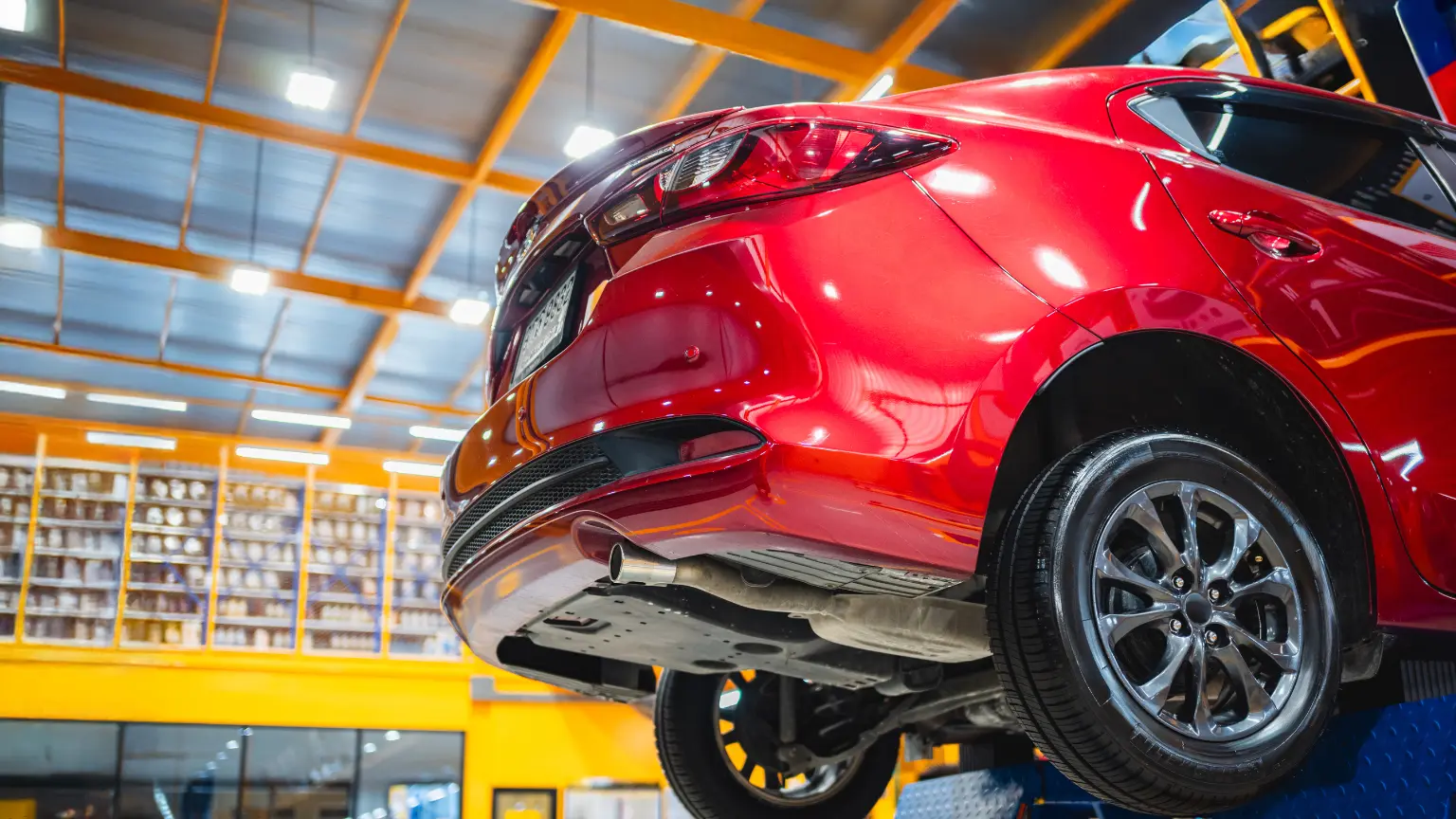
Your transmission will usually give you some advance clues before a catastrophic failure. These early transmission failure symptoms are your opportunity to act. The sooner you recognize and address them, the better your chances of avoiding a huge repair bill. It’s always wise to have your vehicle inspected by a local transmission shop at the first sign of transmission trouble. For example, Trans Medic Transmission is a trusted business that specializes in car transmission repair and diagnostics for drivers in its area. Whichever shop you choose, make sure to stick with reputable transmission shops that employ experienced, certified technicians. A skilled professional will correctly diagnose the issue and perform the needed repairs or auto transmission services to get you back on the road. Taking action early and choosing qualified experts will ensure your transmission continues to run smoothly for miles to come.
Sources:
- McCarthy Chevrolet Overland Park – “8 Warning Signs of Transmission Failure” (Dealership Blog, Apr 2025)
- Roper Honda (Joplin, MO) – “Warning Signs of Possible Transmission Failure” (Dealership Service Blog, Dec 2023)
- Jim Keras Subaru (Memphis) – “Understanding Transmission Failure: Signs, Symptoms, and Solutions” (Dealership Blog, Apr 2025)
Follow a maintenance program
Ante gravida id aenean quis egestas risus nam amet nullam leo diam diam aliquam eu eu malesuada arcu rhoncus suspendisse nulla mattis ut amet sagittis in justo egestas.
search for a trusted mechanic
Lorem ipsum dolor sit amet, consectetur adipiscing elit lobortis arcu enim urna adipiscing praesent velit viverra sit semper lorem eu cursus vel hendrerit elementum morbi curabitur etiam nibh justo, lorem aliquet donec sed sit mi dignissim at ante massa mattis.
- Neque sodales ut etiam sit amet nisl purus non tellus orci ac auctor
- Adipiscing elit ut aliquam purus sit amet viverra suspendisse potent
- Mauris commodo quis imperdiet massa tincidunt nunc pulvinar
- Excepteur sint occaecat cupidatat non proident sunt in culpa qui officia
Check the air pressure in your tires
Vitae congue eu consequat ac felis placerat vestibulum lectus mauris ultrices cursus sit amet dictum sit amet justo donec enim diam porttitor lacus luctus accumsan tortor posuere praesent tristique magna sit amet purus gravida quis blandit turpis.
Review your suspension frequently
At risus viverra adipiscing at in tellus integer feugiat nisl pretium fusce id velit ut tortor sagittis orci a scelerisque purus semper eget at lectus urna duis convallis. porta nibh venenatis cras sed felis eget neque laoreet suspendisse interdum consectetur libero id faucibus nisl donec pretium vulputate sapien nec sagittis aliquam nunc lobortis mattis aliquam faucibus purus in.
- Neque sodales ut etiam sit amet nisl purus non tellus orci ac auctor
- Adipiscing elit ut aliquam purus sit amet viverra suspendisse potent
- Mauris commodo quis imperdiet massa tincidunt nunc pulvinar
- Excepteur sint occaecat cupidatat non proident sunt in culpa qui officia
Service your vehicle as regularly as posible
At risus viverra adipiscing at in tellus integer feugiat nisl pretium fusce id velit ut tortor sagittis orci a scelerisque purus semper eget at lectus urna duis convallis. porta nibh venenatis cras sed felis eget neque laoreet suspendisse interdum consectetur libero id faucibus nisl donec pretium vulputate sapien nec sagittis aliquam nunc lobortis mattis aliquam faucibus purus in.
“Nisi quis eleifend quam adipiscing vitae aliquet bibendum enim facilisis gravida neque velit euismod in pellentesque”
Conclusion
Eget lorem dolor sed viverra ipsum nunc aliquet bibendum felis donec et odio pellentesque diam volutpat commodo sed egestas aliquam sem fringilla ut morbi tincidunt augue interdum velit euismod eu tincidunt tortor aliquam nulla facilisi aenean sed adipiscing diam donec adipiscing ut lectus arcu bibendum at varius vel pharetra nibh venenatis cras sed felis eget.