Automatic Transmission Fluid: When and Why to Replace It
Automatic transmission fluid (ATF) is a specialized hydraulic fluid, lubricant, and coolant that enables smooth gear shifts, reduces friction, and prevents overheating in automatic transmissions
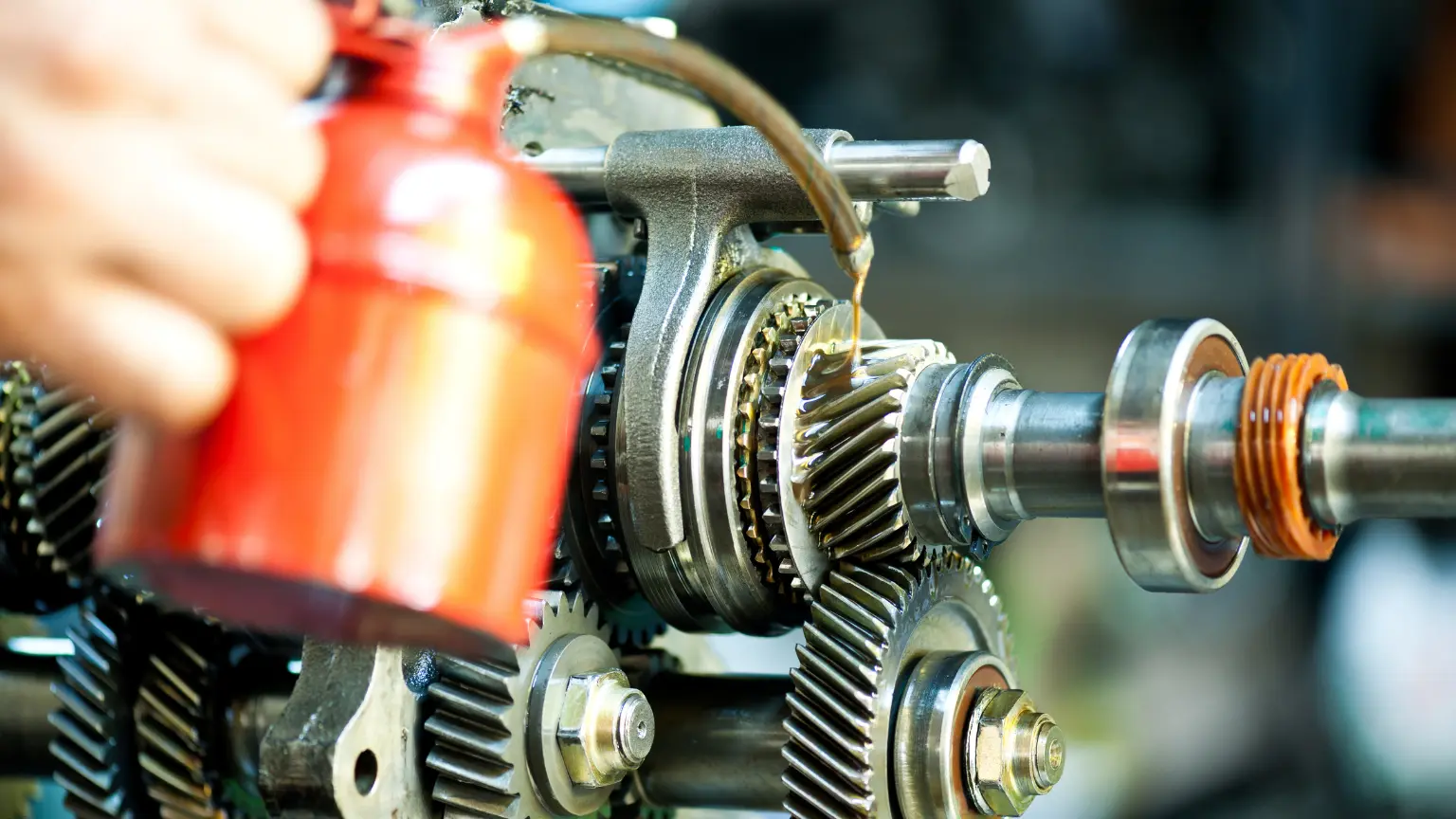
Automatic transmission fluid (ATF) is a crucial component that acts as a hydraulic fluid, lubricant, and coolant in automatic car transmissions. Its primary role is to enable seamless gear shifts by transmitting power from the engine to the transmission. Moreover, ATF helps to cool the transmission by reducing friction and preventing overheating, which can lead to serious damage. This fluid must withstand varying temperatures and operating conditions, underscoring its importance in maintaining vehicle performance and longevity.
Types of Automatic Car Fluids
Conventional vs. Synthetic
Conventional automatic transmission fluid is derived from crude oil and refined to meet basic lubrication and performance standards for automatic car transmission systems. However, synthetic ATF, engineered from chemically modified petroleum components, offers superior properties. Synthetic fluids typically withstand higher temperatures and provide better cold-weather performance, making them ideal for high-performance and everyday vehicles. This advancement ensures robust protection against wear and tear, prolonging the lifespan of the transmission. Knowing which type suits your car depends on manufacturer recommendations and driving conditions.
Manufacturer-Specific ATF Formulations
Each vehicle manufacturer may recommend a specific type of ATF to ensure optimal transmission performance and longevity. For instance, General Motors vehicles often use Dexron formulations, while Ford models may require Mercon fluids. These formulations are tailored to meet the operational demands and material compatibilities of different automatic gearbox designs. Using the correct automatic transmission fluid types prevents mechanical issues and maintains warranty standards, highlighting the importance of adhering to car manufacturer guidelines when selecting ATF.
High-Performance Fluids
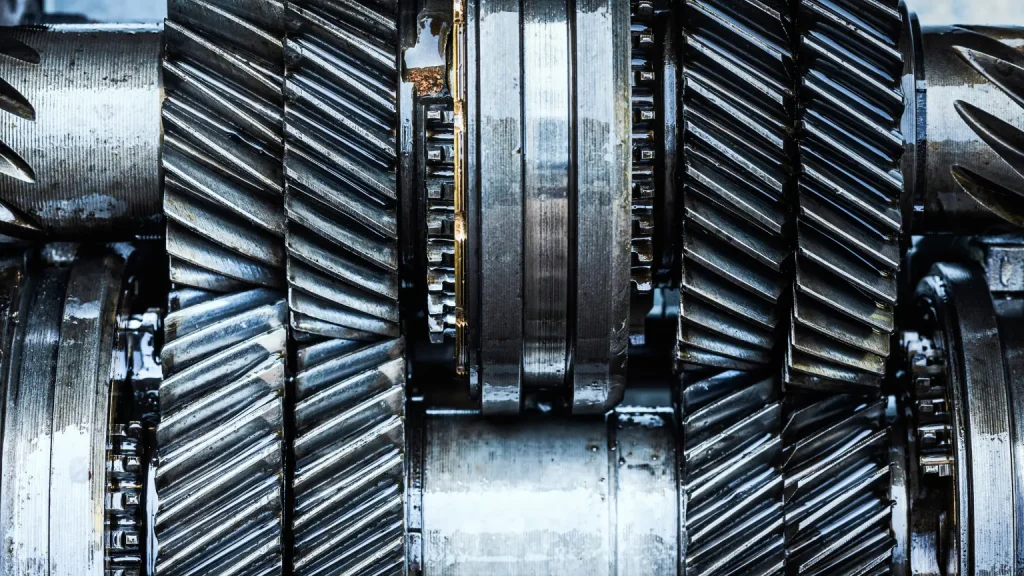
Vehicles used for towing and hauling heavy loads, or those that undergo frequent, demanding use, require high-performance ATFs. These fluids are fortified with additives that boost heat resistance and enhance film strength to protect against the high stresses encountered in tough driving conditions. High-performance ATFs ensure transmissions do not falter under high torque and sustained use, making them crucial for maintaining auto transmission health in work trucks and performance cars alike.
ATF Additives
Additives in automatic transmission fluid play several critical roles: they help prevent oxidation, reduce foam formation, improve viscosity stability, and protect metal surfaces from wear. These additives are what give ATF its characteristic ability to perform under varying temperatures and operating conditions, directly influencing the frequency and effectiveness of auto transmission repairs. Maintaining the proper quality of ATF with the right additives can significantly prolong an automatic transmission's life.
Choosing the Best Transmission Fluid
One must understand the purpose and importance of automatic transmission fluid in vehicle operation, including how it lubricates, cools, and helps in the transmission's overall performance. Car automatic transmission fluid should be chosen based on compatibility with your car’s make and model, as well as the driving environment, whether it's mostly city driving, highway travel, or heavy-duty use. Consulting the owner’s manual for manufacturer recommendations or seeking advice from an automatic gearbox specialist are prudent steps to ensure you use the most appropriate fluid that offers optimal performance and protection.
Benefits of Automatic Transmission Fluid
The advantages associated with periodically replacing automatic transmission fluid include improved transmission longevity and performance.
Lubricating Moving Parts
By forming a thin layer between moving parts, ATF minimizes direct metal-to-metal contact, thus reducing wear and extending the life of the transmission. Adequate lubrication also reduces friction, enhancing transmission efficiency and preventing overheating, a common cause of premature transmission failures.
Cooling the Transmission System
ATF plays a crucial role in cooling the transmission by carrying away heat generated by gear and clutch assembly operation. This is vital because excessive heat can degrade the fluid more quickly and shorten the lifespan of the internal components. Properly maintained transmission fluid for automatic cars helps keep the transmission's optimal temperature, ensuring it operates efficiently and avoids overheating-related damage.
Enabling Smooth and Responsive Gear Shifts
One of the standout advantages of using high-quality ATF is the improvement in gear shift quality. Smooth, timely gear shifts are crucial for an enjoyable driving experience and the overall mechanical harmony of the vehicle. The best transmission fluid for cars helps maintain the hydraulic pressure necessary for accurate and responsive gear engagement, facilitating a seamless power transfer from the engine to the wheels.
Protected from Corrosion and Contaminants
Formulated with special detergents and dispersants that help protect metal surfaces and internal components from rust and corrosion, these additives keep contaminants like metal shavings and clutch debris in suspension, preventing them from depositing on transmission components. Knowing how to check transmission fluid, including fluid changes, helps clear these potentially harmful materials, preserving the integrity and functionality of the transmission system.
Enhancing Fuel Efficiency
Using the correct ATF can contribute to improved vehicle performance and fuel efficiency. When the transmission operates smoothly with minimal internal resistance, the engine doesn't have to work as hard to transmit power. This efficiency translates into better fuel economy and more responsive acceleration, demonstrating the significant influence that well-maintained automatic car fluid can have on a vehicle's overall performance and efficiency.
When to Replace Automatic Transmission Fluid
Manufacturer-Recommended Service Intervals
Following the manufacturer's recommended service intervals for car transmission fluid replacement is crucial for the longevity and efficiency of your vehicle's transmission. These intervals are based on extensive testing and are designed to ensure that the fluid is changed before it degrades to a point that could harm the transmission. Adhering to these guidelines helps maintain the transmission in optimal condition, preventing costly repairs and prolonging the vehicle's life.
How Driving Habits Influence Fluid Degradation
Frequent stop-and-go city driving, towing heavy loads, or navigating hilly terrains puts more stress on the transmission, accelerating fluid breakdown. Vehicles used under these conditions may require more frequent fluid changes to maintain the transmission’s health and performance, underscoring the need for automatic transmission maintenance tailored to your driving style.
Signs It’s Time to Replace Transmission Fluid
Many vehicle owners overlook transmission fluid changes, believing they last the vehicle’s lifetime, but neglecting them can result in costly repairs. Recognizing early warning signs can prevent long-term damage and keep your vehicle operating efficiently. Below are key indicators that it’s time to replace your transmission fluid:
- Hesitancy or Surges During Gear Shifts – If your vehicle hesitates before engaging a gear, this could indicate that the fluid has lost its ability to provide proper hydraulic pressure. Conversely, sudden surges or unexpected accelerations while shifting may suggest inconsistent lubrication, leading to erratic transmission performance. Transmission fluid is crucial in ensuring smooth transitions between gears by facilitating clutch engagement and disengagement. When the fluid degrades, it fails to regulate these movements efficiently, resulting in noticeable performance issues. If you experience sluggish gear changes or abrupt shifts, scheduling a fluid change can help restore optimal transmission function and prevent further damage to internal components. Addressing this issue early can prevent excessive wear on clutch packs and valve bodies.
- Change in Fluid Color – If the fluid appears brown or even black, it is a strong indication that oxidation has occurred, reducing its effectiveness as a lubricant. Dirty fluid loses its ability to keep transmission components clean, leading to increased friction and wear. Checking the color of your ATF is simple—pull out the transmission dipstick, wipe it on a clean paper towel, and observe its shade. A transmission flush or fluid replacement is necessary if the fluid is significantly darker than when it was new. Some vehicles come with sealed transmissions that lack a dipstick, requiring professional service to inspect the fluid. Monitoring fluid color regularly helps prevent performance degradation and potential overheating issues.
- Burnt Smell – When ATF overheats, it loses its lubricating properties, leading to increased friction and potential damage to transmission components. This burnt smell is caused by fluid degradation, often due to prolonged exposure to excessive heat or carrying heavy loads. Overheated transmission fluid fails to protect gears and clutches and can cause long-term internal damage if not replaced promptly. If you detect a burnt scent while checking the dipstick, consider flushing the system and replacing the fluid before further complications arise. Vehicles that frequently tow trailers, drive in stop-and-go traffic, or operate in extreme temperatures are more susceptible to fluid overheating and should have their ATF checked more frequently.
- Presence of Debris or Metal Shavings – Examining the fluid and looking for tiny metal shavings or debris indicates internal wear and possible mechanical problems. Over time, transmission components experience friction and minor wear, but excessive metal particles in the fluid indicate that gears, bearings, or clutch plates are deteriorating. Allowing contaminated fluid to circulate within the transmission can accelerate this wear, leading to costly repairs or complete failure. If a mechanic discovers metal particles in the transmission pan during a routine fluid change, further inspection may be required to assess potential damage.
- Unusual Noises During Gear Changes – If you begin hearing unusual sounds when shifting gears, this may indicate that the transmission fluid is no longer providing adequate lubrication. Insufficient lubrication increases metal-on-metal contact, leading to premature wear and excessive heat buildup. In some cases, low fluid levels can also cause air pockets within the hydraulic system, resulting in erratic gear changes and noise. If the noise persists after replacing the fluid, it could be a sign of more significant mechanical issues, such as worn transmission bands or damaged solenoids. Addressing fluid-related noises early can help prevent more serious damage and extend the lifespan of your transmission. Regularly scheduled fluid changes ensure continued smooth and quiet operation.
Proactively monitoring these warning signs can help prevent costly transmission repairs and extend the life of your vehicle’s drivetrain. A well-maintained transmission ensures a safer and more efficient driving experience for years to come.

Automatic Car Fluid Check
Locating the Transmission Dipstick
Locate the transmission dipstick, usually found near the back of the engine compartment in front-wheel-drive vehicles and near the center in rear-wheel-drive vehicles. It’s typically marked with a red or yellow handle to distinguish it from the oil dipstick. Pull the dipstick out, wipe it clean with a rag, reinsert it fully, and then remove it again to check the fluid level accurately.
How to Perform a Check Safely
Safety is paramount when performing any maintenance on your vehicle, including checking the ATF. Ensure the car is parked on a stable, flat surface and the engine is cool before the check begins. It’s advised to run the car for a few minutes to warm up the transmission and circulate the fluid. After shutting off the engine, proceed with checking the fluid as described. This process ensures you get the most accurate reading and assessment of the ATF condition.
The Importance of Auto Transmission Service
Scheduling and Performing Transmission Service
Scheduling a transmission fluid replacement typically begins by consulting your vehicle’s owner’s manual or contacting a trusted service center to determine the recommended interval for your specific make and model. When you bring your car in for service, technicians will first inspect the transmission system, checking fluid levels and assessing its condition. The service usually involves draining the old fluid, replacing the transmission filter if applicable, and refilling with manufacturer-approved ATF. Professionals may also perform a comprehensive inspection for leaks, worn components, and software updates, ensuring your transmission operates smoothly and reliably after the service. By addressing these components regularly, you can prevent minor issues from developing into major problems, thereby maintaining the optimal performance of your vehicle’s transmission.
Comprehensive Inspection
During professional automatic gearbox repairs, the mechanic conducts a comprehensive inspection of the transmission system. This includes assessing the condition of the gearbox, the torque converter, and other critical components. Technicians use specialized diagnostic tools to identify issues that are not immediately apparent. Catching and addressing these issues early can significantly reduce the risk of transmission failure and the associated repair costs.
Why Professional Servicing Can Save You Money in the Long Run
Professional servicing ensures that your transmission operates efficiently, reducing the risk of unexpected breakdowns and prolonging the life of your vehicle. Below are key reasons why professional automatic transmission repair is a cost-effective decision in the long run.
- Early Problem Detection – Transmission failures rarely happen overnight—they often start as minor irregularities such as delayed shifting, fluid leaks, or slight noises. A skilled technician can recognize these early warning signs and perform the necessary repairs before the problem worsens. Addressing small concerns like worn seals, minor leaks, or sensor malfunctions can prevent costly repairs such as replacing an entire valve body or torque converter. Catching problems early saves money by reducing labor costs and avoiding catastrophic failures that lead to expensive transmission rebuilds.
- Enhanced Performance – A well-maintained transmission ensures smoother gear shifts and improved fuel efficiency. Mechanics can also recalibrate the transmission control module (TCM) to optimize shifting patterns, improving overall drivability. Vehicles with continuously variable transmissions (CVTs) or dual-clutch transmissions (DCTs) significantly benefit from routine maintenance, as these systems rely heavily on precise electronic and hydraulic coordination. When the transmission operates efficiently, the engine doesn’t have to work as hard to compensate for performance issues, resulting in better fuel economy.
- Higher Resale Value – When selling a used vehicle, prospective buyers often prioritize maintenance history, and a well-maintained transmission can significantly increase resale value. A car with a history of professional servicing provides potential buyers with confidence that the vehicle has been adequately cared for and is less likely to have hidden mechanical issues. Many buyers request service records to verify that major components, including the transmission, have been regularly maintained. Dealerships and private buyers are often willing to pay a premium for vehicles that have been well taken care of. In contrast, cars with neglected transmissions usually face depreciation, requiring price reductions to account for the risk of potential repairs.
Neglecting maintenance often leads to expensive breakdowns that could have been easily avoided with routine check-ups. Whether it’s detecting small issues early, maintaining fluid integrity, improving performance, extending vehicle life, or increasing resale value, professional servicing offers undeniable financial benefits.
Frequently Asked Questions
Proper maintenance of your vehicle’s transmission fluid is essential for long-term reliability and performance. Below are answers to common questions about when to change automatic transmission fluid, including important notes for vehicles labeled as 'sealed for life.'
How often should automatic transmission fluid be changed?
Most manufacturers recommend changing automatic transmission fluid every 40,000 to 100,000 km, but always consult your owner’s manual for your vehicle’s specific interval.
Do driving conditions affect how often I should change my transmission fluid?
Yes, frequent stop-and-go driving, towing, or driving in extreme temperatures can accelerate fluid breakdown, requiring more frequent changes than standard intervals.
What does ‘sealed for life’ mean for transmission fluid?
‘Sealed for life’ means the manufacturer claims the transmission fluid doesn’t need changing under normal conditions, but many experts recommend periodic changes for long-term reliability.
Should I ever change transmission fluid in a ‘sealed for life’ transmission?
Even in ‘sealed for life’ transmissions, changing fluid around 80,000 to 100,000 km—or as recommended by a trusted mechanic—can help prevent premature wear, especially in harsh conditions.
How do I know the right fluid change interval for my car?
Consult your owner’s manual and consider your driving habits. If unsure, seek advice from a qualified technician familiar with your vehicle’s make and model.
Can I check the fluid in a sealed transmission myself?
Most sealed transmissions lack a dipstick and require professional inspection, so it’s best to have fluid checked and replaced by a qualified service center.
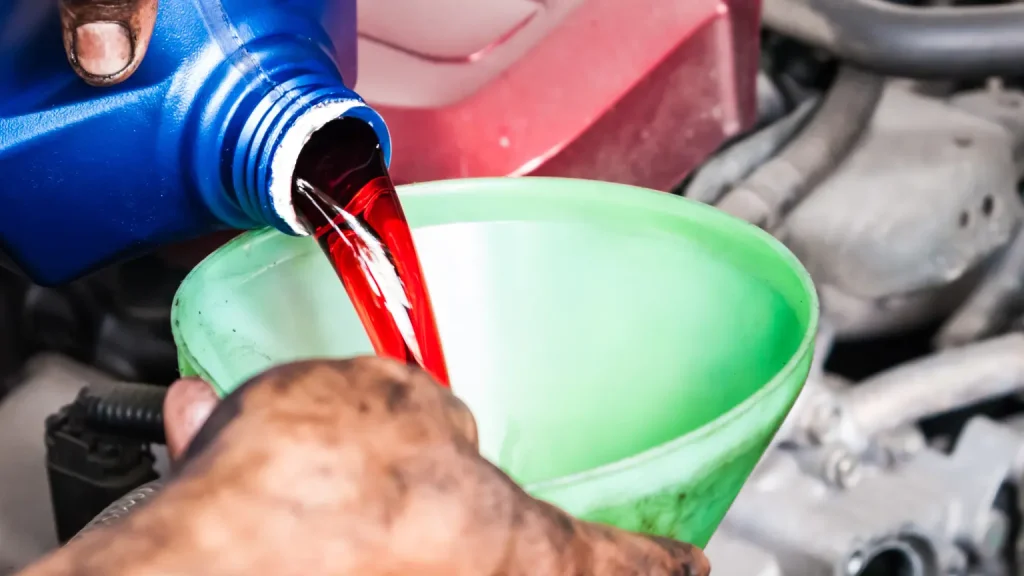
The health of your vehicle's transmission is critical to automotive care. By dedicating the necessary attention to maintaining your automatic transmission fluid, you ensure that your car remains a reliable companion on the road. Remember, a little attention to ATF today can save you from the headaches of significant repairs tomorrow. Keep your car’s transmission in excellent condition with regular maintenance, and it will continue to serve you well for many miles to come. Protect your transmission from costly damage by scheduling a professional automatic transmission fluid service with the experts at Trans Medic Transmissions.
Follow a maintenance program
Ante gravida id aenean quis egestas risus nam amet nullam leo diam diam aliquam eu eu malesuada arcu rhoncus suspendisse nulla mattis ut amet sagittis in justo egestas.
search for a trusted mechanic
Lorem ipsum dolor sit amet, consectetur adipiscing elit lobortis arcu enim urna adipiscing praesent velit viverra sit semper lorem eu cursus vel hendrerit elementum morbi curabitur etiam nibh justo, lorem aliquet donec sed sit mi dignissim at ante massa mattis.
- Neque sodales ut etiam sit amet nisl purus non tellus orci ac auctor
- Adipiscing elit ut aliquam purus sit amet viverra suspendisse potent
- Mauris commodo quis imperdiet massa tincidunt nunc pulvinar
- Excepteur sint occaecat cupidatat non proident sunt in culpa qui officia
Check the air pressure in your tires
Vitae congue eu consequat ac felis placerat vestibulum lectus mauris ultrices cursus sit amet dictum sit amet justo donec enim diam porttitor lacus luctus accumsan tortor posuere praesent tristique magna sit amet purus gravida quis blandit turpis.
Review your suspension frequently
At risus viverra adipiscing at in tellus integer feugiat nisl pretium fusce id velit ut tortor sagittis orci a scelerisque purus semper eget at lectus urna duis convallis. porta nibh venenatis cras sed felis eget neque laoreet suspendisse interdum consectetur libero id faucibus nisl donec pretium vulputate sapien nec sagittis aliquam nunc lobortis mattis aliquam faucibus purus in.
- Neque sodales ut etiam sit amet nisl purus non tellus orci ac auctor
- Adipiscing elit ut aliquam purus sit amet viverra suspendisse potent
- Mauris commodo quis imperdiet massa tincidunt nunc pulvinar
- Excepteur sint occaecat cupidatat non proident sunt in culpa qui officia
Service your vehicle as regularly as posible
At risus viverra adipiscing at in tellus integer feugiat nisl pretium fusce id velit ut tortor sagittis orci a scelerisque purus semper eget at lectus urna duis convallis. porta nibh venenatis cras sed felis eget neque laoreet suspendisse interdum consectetur libero id faucibus nisl donec pretium vulputate sapien nec sagittis aliquam nunc lobortis mattis aliquam faucibus purus in.
“Nisi quis eleifend quam adipiscing vitae aliquet bibendum enim facilisis gravida neque velit euismod in pellentesque”
Conclusion
Eget lorem dolor sed viverra ipsum nunc aliquet bibendum felis donec et odio pellentesque diam volutpat commodo sed egestas aliquam sem fringilla ut morbi tincidunt augue interdum velit euismod eu tincidunt tortor aliquam nulla facilisi aenean sed adipiscing diam donec adipiscing ut lectus arcu bibendum at varius vel pharetra nibh venenatis cras sed felis eget.