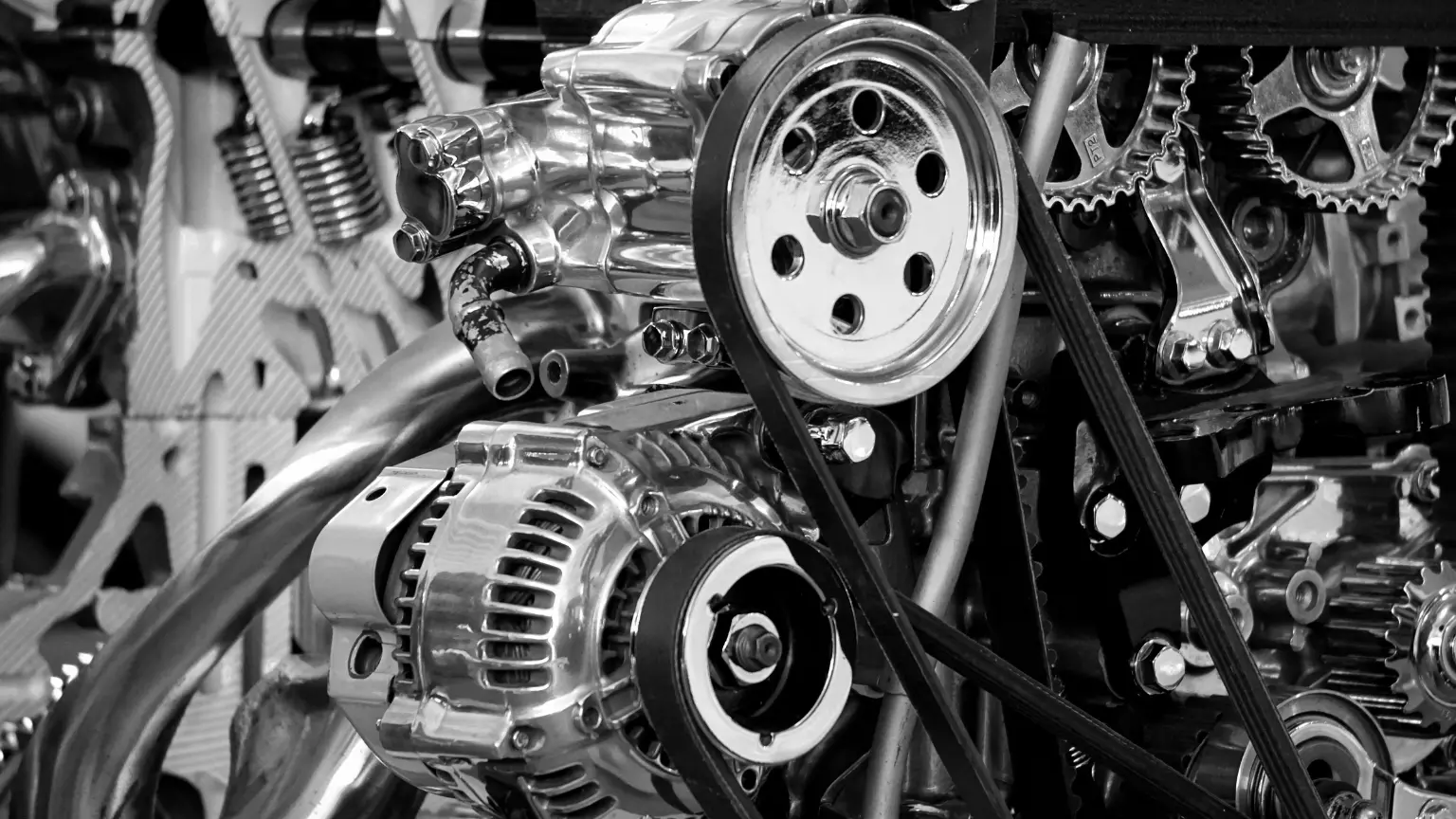
Adaptive Car Transmissions Explained: How They Adapt to Your Driving Style
Adaptive transmissions use sensors and algorithms to learn driving habits and road conditions, optimizing gear shifts in real time for smoother rides, enhanced fuel efficiency, and vehicle longevity.

Adaptive car transmissions represent a significant advancement in automotive technology, designed to enhance the driving experience by adjusting to the driver's unique style and the road conditions. This technology monitors various factors such as speed, engine load, and driving habits, allowing the transmission to optimize gear shifts for improved performance and efficiency. The adaptability of these transmissions ensures a smoother and more responsive driving experience compared to standard models.
The Role of the Transmission Control Module (TCM)
The role of the Transmission Control Module is the central processing unit that interprets sensor data and manages transmission operations. TCM serves as the central processing unit for adaptive car transmissions, orchestrating the entire system’s operation. By continuously receiving and interpreting data from a network of vehicle sensors, such as those monitoring speed, engine load, and throttle position, the TCM makes real-time decisions on gear selection, shift timing, and pressure control. This sophisticated module ensures seamless communication between the transmission and other vehicle systems, enabling precise, adaptive adjustments that optimize performance, fuel efficiency, and driving comfort. As the “brain” of the transmission, the TCM is essential for managing complex operations and delivering a responsive, tailored driving experience.
Introduction to Adaptive Learning in Car Transmissions
One must understand the basic concept of adaptive learning as applied to automotive transmissions, providing an overview of how these systems adjust to driving conditions. Adaptive learning in automotive transmissions refers to the technology that enables a vehicle’s transmission system to adjust its shifting strategies automatically based on real-time driving conditions. At its core, adaptive learning uses a network of sensors and electronic controls to monitor variables such as vehicle speed, engine load, throttle position, and road conditions. By continuously gathering and analyzing this data, the transmission system can modify its gear shift patterns to optimize performance, efficiency, and comfort. For example, if the system detects frequent stop-and-go traffic, it may adjust to deliver smoother, more gradual shifts. On open highways, it can prioritize quicker, more responsive gear changes. This dynamic approach allows the transmission to “learn” from the environment and driver inputs, ensuring that the vehicle responds intelligently to a wide range of scenarios. As a result, adaptive learning creates a more refined and enjoyable driving experience, tailored to both driver and road.
Features of Adaptive Car Transmissions
Role of Sensors and Data Collection
At the heart of adaptive car transmissions lies a sophisticated network of sensors designed to collect real-time data from various points throughout the vehicle. These sensors serve as the “eyes and ears” of the transmission system, capturing a continuous stream of information about both the vehicle’s operating conditions and the driver’s inputs. Key sensors typically include the throttle position sensor, which monitors how much the accelerator pedal is depressed; the vehicle speed sensor, which tracks the car’s current speed; the engine RPM sensor, which measures the engine’s rotational speed; and the transmission fluid temperature sensor, which ensures the system operates within safe thermal limits. Additional sensors, such as brake pedal position sensors, wheel speed sensors, accelerometers, and inclinometers, provide further detail on braking activity, wheel rotation, acceleration and deceleration rates, and the angle of road inclines or declines. By gathering this diverse set of data, the transmission system gains a comprehensive understanding of the vehicle’s status and the demands being placed on it at any given moment.
Continuous data collection is crucial for enabling adaptive transmission to respond intelligently to changing conditions. For example, if the sensors detect rapid acceleration, the system can prepare for quicker gear shifts to deliver more power. If the vehicle is climbing a steep hill, the inclinometer data prompts the transmission to hold lower gears for better torque. Similarly, monitoring transmission fluid temperature allows the system to adjust shift patterns to prevent overheating, safeguarding both performance and component longevity. All sensor data is relayed to the transmission’s electronic control unit, where it is analyzed by advanced algorithms that determine the optimal shift points and pressure settings for the current scenario. This process happens seamlessly and instantaneously, ensuring that the transmission’s behavior is always aligned with real-world demands. The precision and breadth of data collected by these sensors are what enable adaptive transmissions to deliver a driving experience that feels both natural and responsive. As technology advances, the range and sensitivity of sensors continue to improve, allowing for even more nuanced adjustments.
Long-Term Learning and Driver Profiles
One of the most advanced features of adaptive car transmissions is their ability to engage in long-term learning, gradually building and refining a unique profile of each driver’s habits and preferences. Rather than simply responding to immediate inputs or short-term driving patterns, these systems are designed to observe behaviors over extended periods, days, weeks, and even months, allowing for a much deeper level of personalization and adaptation. From the moment a driver begins using a vehicle equipped with an adaptive transmission, the system starts collecting data on a wide range of factors, including acceleration and braking habits, preferred cruising speeds, typical routes, and even responses to different driving conditions such as heavy traffic, hilly terrain, or adverse weather. Continuous monitoring enables the transmission’s control module to identify recurring patterns and subtle nuances in the way the vehicle is driven.
As the system gathers more data, it refines its internal algorithms to better match the driver’s unique style. For instance, if a driver consistently accelerates gently and prefers smooth, gradual gear changes, the transmission will adapt by shifting at lower RPMs and prioritizing comfort over performance. Conversely, if the driver is more aggressive, the adaptive system will respond by holding gears longer and making quicker, firmer shifts to provide a sportier, more responsive feel. Over time, this process results in a highly customized driving experience, with the transmission behaving in ways that feel intuitive and natural to the individual behind the wheel.
Advanced adaptive systems can even recognize changes in driving habits that occur over different seasons or as a driver’s routines evolve. The transmission may learn to adjust its shifting strategy during winter months when road conditions are slippery, or adapt to new commuting patterns if the driver’s daily route changes. In some vehicles, the system is capable of managing multiple driver profiles, distinguishing between users based on key fob identification or seat position settings, and automatically applying the correct set of transmission preferences for each driver. This ensures that every time a driver gets behind the wheel, the vehicle is primed to deliver optimal performance and efficiency tailored specifically to their needs. Adaptive transmission systems analyze and interpret individual driving patterns to optimize performance.
Real-Time Adjustments for Optimal Performance
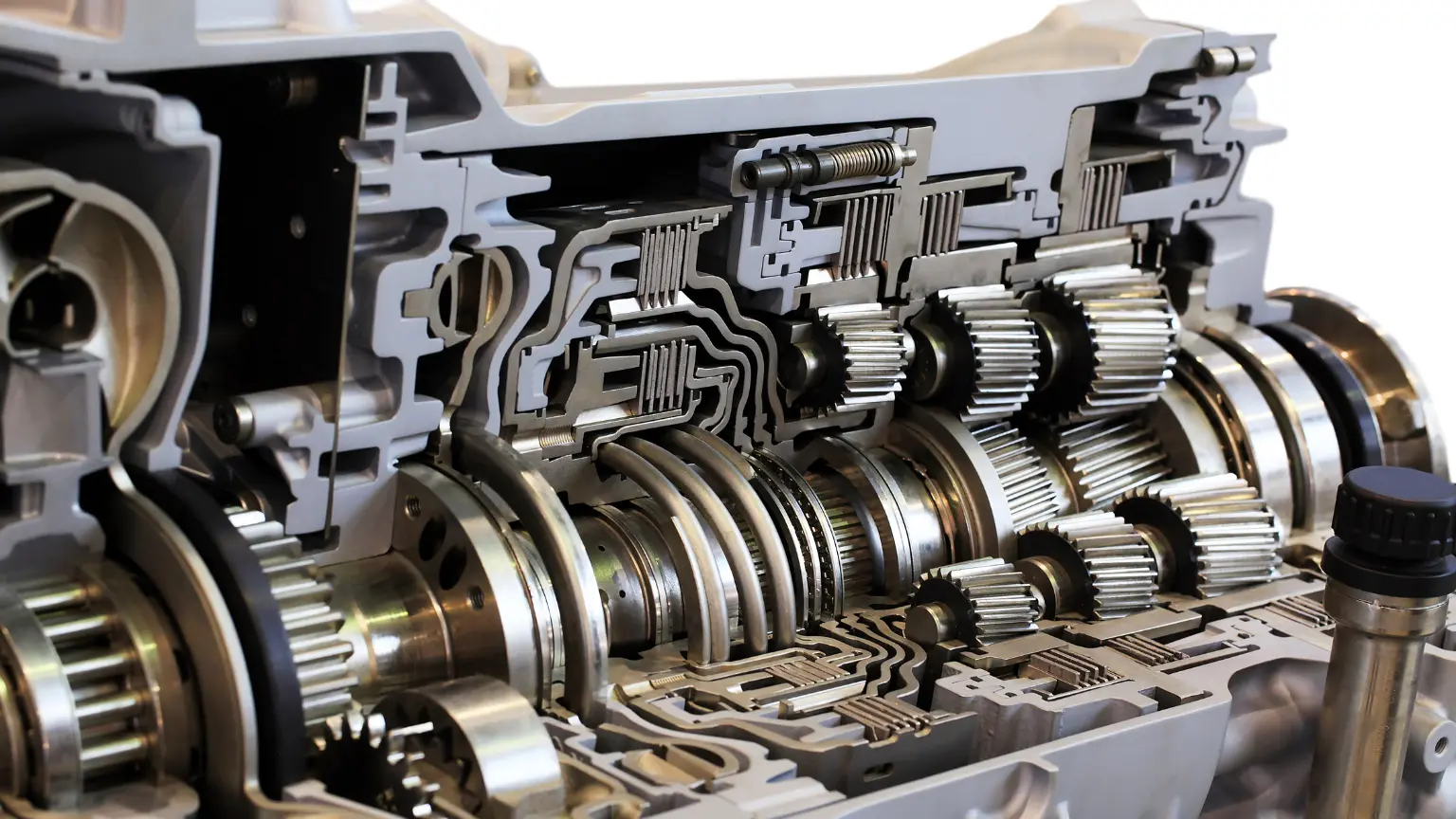
Adaptive transmissions make real-time adjustments to shift points and pressure settings based on collected data, tailoring the driving experience. Whether navigating through city traffic or cruising on a highway, these systems continuously analyze vehicle speed, engine load, and external conditions to select the appropriate gear. This capability not only maximizes engine efficiency but also enhances the vehicle’s responsiveness. By continuously adapting, the transmission can reduce unnecessary strain on the engine, leading to a smoother ride and extended life of the transmission components.
Enhanced Fuel Efficiency and Economy
Adaptive transmission performance is not only about improving driving dynamics but also about enhancing fuel efficiency and economy. Through intelligent gear shifting and the ability to adapt to the driver's style and road conditions, adaptive transmissions minimize unnecessary engine load and optimize fuel consumption. This efficiency is particularly noticeable in hybrid and fully electric vehicles, where optimal energy use is crucial.
Reliability of Adaptive Car Transmissions
Advanced Technology for Better Performance
As mentioned previously, adaptive car transmissions incorporate state-of-the-art technology to deliver superior performance under a wide range of driving conditions. This includes the integration of complex electronic control units (ECUs) that manage the transmission's operations in real-time. These ECUs process data from the vehicle’s sensors to make instantaneous adjustments to the transmission settings, enhancing both the power output and the responsiveness of the vehicle. This advanced technology not only elevates the driving experience but also contributes to the overall reliability of adaptive car transmissions, ensuring that they perform well for years to come.
Importance of Regular Maintenance
To maximize their effectiveness and lifetime, adaptive transmissions must be maintained. It helps prevent many adaptive car transmission problems and ensures that the system continues to function optimally. Here’s why keeping up with maintenance is so important:
- Early Problem Detection: By conducting regular maintenance checks, potential issues can be identified before they escalate into major problems. This proactive approach allows for minor repairs or adjustments, which are generally less costly compared to major overhauls required after a failure.
- Software Updates: Automotive manufacturers frequently release software updates designed to enhance the functionality and performance of the transmission. These updates may include new algorithms that improve the adaptability of the transmission to different driving conditions or fixes for software bugs that could impair performance. Regularly updating the transmission’s software ensures that the vehicle operates with the latest advancements, maintaining optimal performance and reducing the risk of malfunctions caused by outdated software.
- Wear and Tear Management: Like any mechanical system, components of an adaptive transmission wear out over time. This ongoing care prevents excessive wear that can lead to breakdowns and costly repairs. Additionally, maintenance technicians can adjust components to ensure that the transmission continues to operate smoothly and efficiently.
Adhering to a structured maintenance schedule for adaptive transmissions not only enhances vehicle performance but also significantly extends the transmission's lifespan. This systematic approach to vehicle care ensures that the adaptive transmission remains a reliable part of the vehicle, providing optimal performance and driving comfort.
Maintaining Adaptive Transmissions
Manufacturer-Recommended Service Intervals
These intervals are meticulously crafted based on extensive research into the operational characteristics and wear tendencies specific to the transmission components of different models. Manufacturers provide a detailed maintenance schedule, which typically includes regular checks and replacement of parts at specific mileage or time intervals. Adhering to these recommendations is crucial as it ensures that all parts of the transmission are functioning within their optimal range, which is vital for the longevity and reliability of the vehicle. This proactive approach helps to prevent the common pitfalls that can lead to premature wear and costly repairs. By following the prescribed service intervals, vehicle owners can ensure that their transmission remains responsive, efficient, and less likely to suffer from serious mechanical failures.
Importance of Fluid Changes
Transmission fluid is the lifeblood of the system, performing several critical functions that are essential for the smooth operation of the vehicle. It acts as a lubricant for moving parts, reducing friction and preventing wear. It helps to dissipate heat, which is crucial in maintaining the optimal operating temperature of the transmission system. The fluid also plays a key role in cleaning the system by carrying away metal shavings and other debris that accumulate over time. However, transmission fluid degrades and loses its effectiveness over time, which can lead to overheating, increased friction, and accelerated wear of the transmission components. Regular fluid changes are therefore paramount to maintain the transmission’s health and ensure the longevity of the vehicle. By replacing old fluid with fresh, high-quality transmission fluid, vehicle owners can prevent common issues with adaptive car transmissions and maintain the efficiency and responsiveness of their system.
Cost of Adaptive Car Transmissions
Initial Investment vs. Long-Term Benefits
The cost of adaptive car transmissions might be higher initially compared to traditional automatic transmissions. This is due to the advanced technology and components required to enable their adaptive functionality. However, the long-term benefits often justify this initial expense. Owners of vehicles with adaptive transmissions can experience reduced maintenance costs, improved fuel efficiency, and potentially higher resale values due to the desirable nature of this technology.
Cost Factors and Considerations
When evaluating the cost of owning an adaptive transmission, several factors must be considered. The complexity of the transmission design means that repairs can be more expensive if issues arise. Additionally, not all mechanics are equipped to handle the specialized needs of an adaptive transmission, which can sometimes lead to higher service charges at specialized repair car transmission shop locations.
Performance Advantages of Adaptive Transmission Systems
Improved Handling in Different Conditions
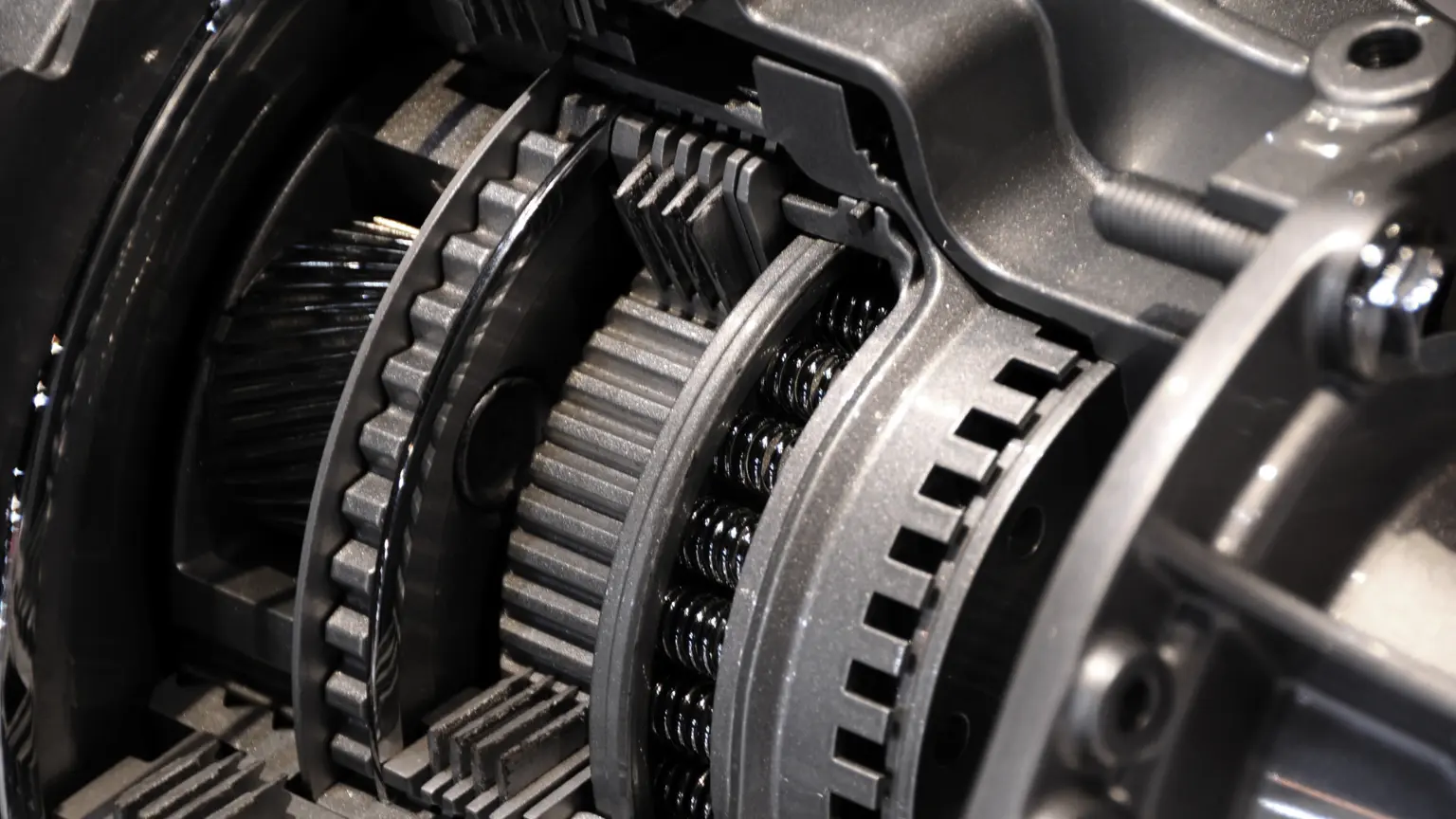
The ability of adaptive transmissions to enhance handling across various driving conditions is a notable benefit. These systems can detect variations in road surface, incline, and driving patterns, making adjustments to the transmission settings to maintain stability and traction. For example, in slippery conditions, the transmission might adjust to provide a more controlled and gentle power delivery to prevent wheel slip. In addition to increasing safety, this improved handling makes driving more fun and assured.
Benefits for City and Highway Driving
The versatility of adaptive car transmission reliability systems is particularly evident in their performance across different types of driving environments. In city driving, where stop-and-go traffic is common, adaptive transmissions help by optimizing shift points for frequent acceleration and braking, reducing wear on the transmission, and improving fuel economy. On highways, these systems adapt to higher speeds with smoother gear transitions, enhancing comfort and reducing engine strain. Because of its versatility, the car runs smoothly in every driving condition and offers a seamless combination of performance and comfort.
Finding a Reliable Transmission Repair Shop
Tips for Choosing a Professional Repair Service
Selecting the right professional repair shop for your car's adaptive transmission is crucial to ensure it receives the skilled care it deserves. Here's why choosing a reputable service provider is vital for maintaining the sophisticated mechanisms of adaptive transmissions:
- Certifications and Training: It is crucial to select a repair shop where technicians are specifically trained and certified to handle adaptive transmissions. Certifications from well-recognized bodies such as the Automotive Service Excellence (ASE) act as a seal of a technician’s expertise and dedication to quality. Certified technicians have undergone extensive training and assessments, making them highly capable of managing the complexities of adaptive transmissions. Selecting a shop with such credentials provides reassurance and reduces the risk of further complications due to improper handling or lack of knowledge.
- Experience with Adaptive Transmissions: The importance of experience cannot be overstated when dealing with the advanced technology of adaptive transmissions. Opt for a repair shop that boasts a solid track record of accurately diagnosing and effectively repairing these systems. Technicians with extensive experience in this field are adept at understanding the subtle details of adaptive transmissions, enabling them to identify issues accurately and carry out repairs that ensure your vehicle remains reliable over time.
- Reputation: The reputation of a repair shop is a dependable measure of its service quality. Before settling on a shop, take the time to read customer reviews and testimonials online. A consistent record of positive feedback indicates that the shop has consistently met or exceeded customer expectations. Reviews can offer valuable insights into the shop’s dependability, customer service excellence, and the overall quality of their repairs, helping you make an informed decision.
- Warranty and Service Guarantees: Choosing a shop that offers warranties or guarantees on their work is a testament to their confidence in the quality of their repairs. This is particularly vital for intricate repairs, such as those on adaptive transmissions. Warranties provide peace of mind and safeguard against potential future problems, reflecting the shop's commitment to upholding high industry standards in its service.
- Transparent Pricing: Ensure that the repair shop you choose practices transparency in their pricing. Trustworthy shops will provide clear, detailed estimates upfront and will thoroughly explain what each charge covers. Be wary of shops that provide ambiguous pricing or quotes that appear unusually low, as these can often result in subpar work or additional unexpected fees later.
Choosing the right car transmission repair shop is not just about finding someone who can fix a problem. It's about forming a relationship with professionals who will help maintain your vehicle’s adaptive transmission over its lifetime. An ideal repair shop provides a detailed diagnosis, a clear explanation of any issues, and transparent communication about the solutions they recommend.
Ensuring Quality Repairs and Maintenance
To ensure quality repairs and maintenance, it is vital to use only genuine or OEM (Original Equipment Manufacturer) parts for any replacements. Using high-quality parts guarantees that the repairs will last and that they maintain the integrity of the transmission system. Quality repairs also involve thorough testing post-repair to ensure that the transmission is fully functional and performing as expected, thus preventing future issues and ensuring the safety and reliability of your vehicle.
Regular maintenance is necessary to keep adaptive transmissions operating at high performance and dependability. Vehicle owners are encouraged to adhere to the manufacturer's service recommendations and to seek professional assistance for software updates and mechanical inspections. Investing in routine maintenance not only helps avoid costly repairs and prolongs the transmission's life but also ensures that the vehicle remains a pleasure to drive. For reliable diagnostics and expert maintenance of adaptive car transmissions, visit Trans Medic Transmission and keep your vehicle performing at its best. By taking proactive steps to care for their adaptive transmission, drivers can maximize the benefits of this sophisticated technology and enjoy a superior driving experience for years to come.
Follow a maintenance program
Ante gravida id aenean quis egestas risus nam amet nullam leo diam diam aliquam eu eu malesuada arcu rhoncus suspendisse nulla mattis ut amet sagittis in justo egestas.
search for a trusted mechanic
Lorem ipsum dolor sit amet, consectetur adipiscing elit lobortis arcu enim urna adipiscing praesent velit viverra sit semper lorem eu cursus vel hendrerit elementum morbi curabitur etiam nibh justo, lorem aliquet donec sed sit mi dignissim at ante massa mattis.
- Neque sodales ut etiam sit amet nisl purus non tellus orci ac auctor
- Adipiscing elit ut aliquam purus sit amet viverra suspendisse potent
- Mauris commodo quis imperdiet massa tincidunt nunc pulvinar
- Excepteur sint occaecat cupidatat non proident sunt in culpa qui officia
Check the air pressure in your tires
Vitae congue eu consequat ac felis placerat vestibulum lectus mauris ultrices cursus sit amet dictum sit amet justo donec enim diam porttitor lacus luctus accumsan tortor posuere praesent tristique magna sit amet purus gravida quis blandit turpis.
Review your suspension frequently
At risus viverra adipiscing at in tellus integer feugiat nisl pretium fusce id velit ut tortor sagittis orci a scelerisque purus semper eget at lectus urna duis convallis. porta nibh venenatis cras sed felis eget neque laoreet suspendisse interdum consectetur libero id faucibus nisl donec pretium vulputate sapien nec sagittis aliquam nunc lobortis mattis aliquam faucibus purus in.
- Neque sodales ut etiam sit amet nisl purus non tellus orci ac auctor
- Adipiscing elit ut aliquam purus sit amet viverra suspendisse potent
- Mauris commodo quis imperdiet massa tincidunt nunc pulvinar
- Excepteur sint occaecat cupidatat non proident sunt in culpa qui officia
Service your vehicle as regularly as posible
At risus viverra adipiscing at in tellus integer feugiat nisl pretium fusce id velit ut tortor sagittis orci a scelerisque purus semper eget at lectus urna duis convallis. porta nibh venenatis cras sed felis eget neque laoreet suspendisse interdum consectetur libero id faucibus nisl donec pretium vulputate sapien nec sagittis aliquam nunc lobortis mattis aliquam faucibus purus in.
“Nisi quis eleifend quam adipiscing vitae aliquet bibendum enim facilisis gravida neque velit euismod in pellentesque”
Conclusion
Eget lorem dolor sed viverra ipsum nunc aliquet bibendum felis donec et odio pellentesque diam volutpat commodo sed egestas aliquam sem fringilla ut morbi tincidunt augue interdum velit euismod eu tincidunt tortor aliquam nulla facilisi aenean sed adipiscing diam donec adipiscing ut lectus arcu bibendum at varius vel pharetra nibh venenatis cras sed felis eget.