A Comprehensive Guide to Dual-Clutch Transmissions
Explore how dual-clutch transmissions use two clutches for rapid, efficient gear shifts compared to automatics and manuals. Learn maintenance, common issues, and repair-shop selection tips.
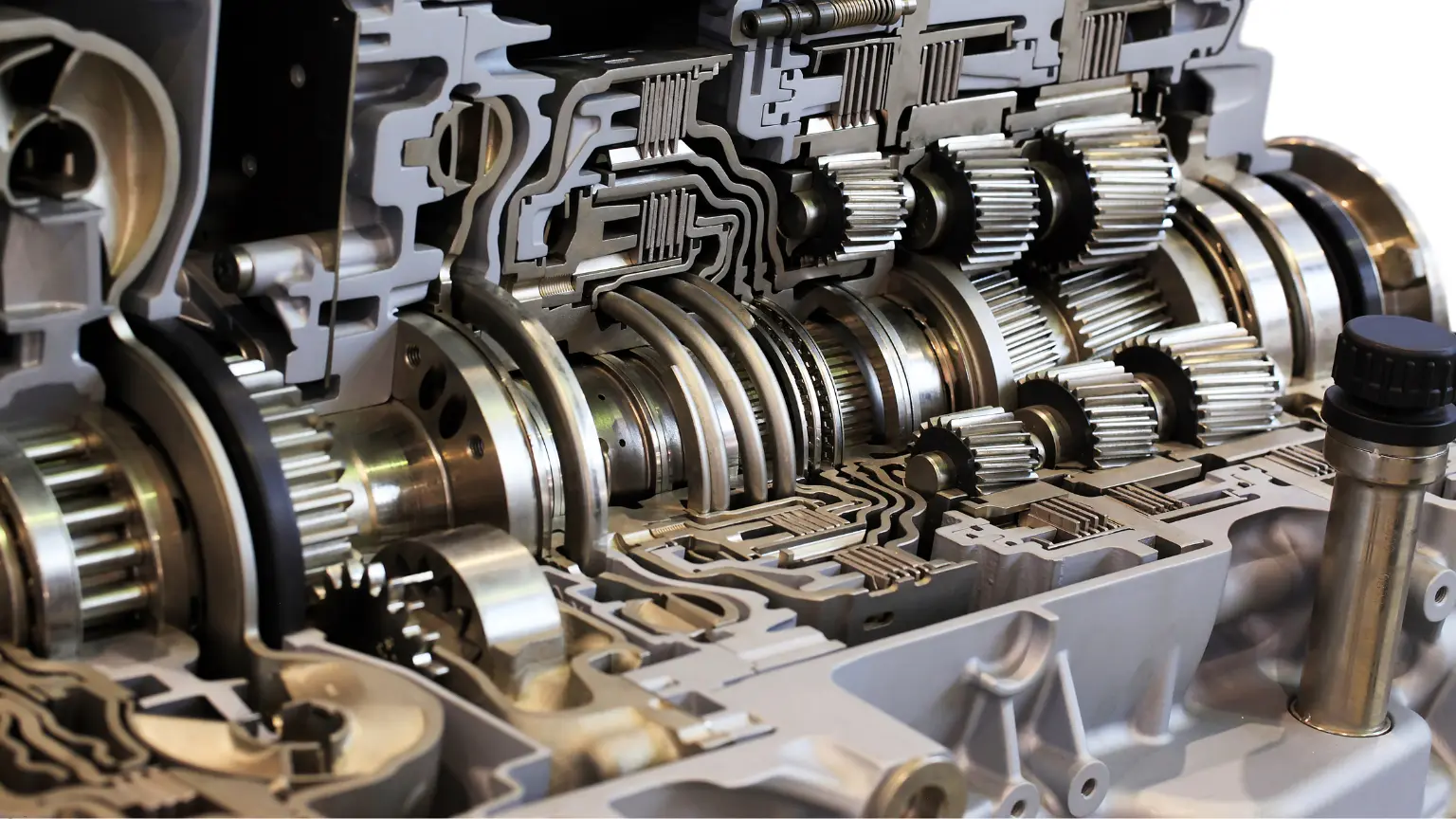
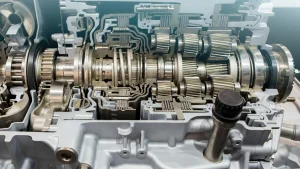
A dual-clutch transmission (DCT) is a sophisticated type of automatic transmission that uses two separate clutches for odd- and even-gear sets. This design allows a dual-clutch transmission to be more efficient than a traditional automatic by reducing the time required to shift gears. Unlike conventional automatics that use a torque converter, DCTs provide quicker gear shifts, making them popular in performance vehicles and cars that require efficient power management.
Historical Development and Applications
The history of dual-clutch transmissions (DCTs) is a fascinating journey of innovation, adaptation, and technological progress. From their early conceptualization to their widespread use in modern vehicles, DCTs have played a pivotal role in advancing automotive and industrial machinery. Below, we explore the key milestones and diverse applications of this influential technology.
- Origins and Early Innovations: The concept of the dual-clutch transmission was first envisioned by French engineer Adolphe Kégresse in 1939, though it remained largely theoretical for decades. Practical development gained traction in the late 1950s and early 1960s, culminating in the introduction of the Easidrive automatic transmission on the 1961 Hillman Minx. This marked the first production DCT, setting the stage for future advancements despite initial reliability challenges.
- Adoption in Agricultural and Industrial Machinery: During the 1970s, DCTs found practical application in Eastern European tractors, such as the Fortschritt ZT 300 series. In these heavy-duty environments, DCTs enabled seamless shifting under load, improving operational efficiency and reducing downtime. The ability to change gears without interrupting power delivery was particularly valuable for agricultural tasks that demanded constant, uninterrupted torque.
- Breakthroughs in Motorsport and Performance Cars: The 1980s saw DCTs enter the world of motorsport, with Porsche and Audi pioneering their use in racing cars. These transmissions offered rapid, precise gear changes, giving teams a competitive edge. The technology’s success on the track led to its adoption in high-performance road cars, with Volkswagen’s 2003 Golf R32 becoming the first mass-market vehicle to feature a DCT. This milestone triggered widespread adoption across both performance and mainstream automotive markets.
- Expansion to Diverse Vehicle Types: Beyond cars and tractors, DCT technology has been adapted for motorcycles, trucks, and even railcars. In motorcycles, DCTs provide smoother, faster shifting for both touring and sport models. In commercial trucks, they enhance fuel efficiency and driving comfort. Railcars have also utilized specialized DCT designs to facilitate gear changes without complex synchronizing mechanisms, demonstrating the versatility and adaptability of this transmission technology.
Today, dual-clutch transmissions are recognized for their ability to deliver fast, efficient gear changes across a wide spectrum of vehicles. Their evolution from a novel concept to a cornerstone of modern drivetrains highlights their enduring impact on automotive engineering and industrial machinery alike.
How Dual-Clutch Transmissions Work
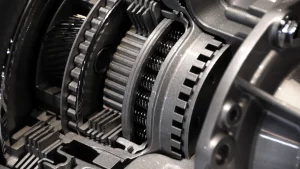
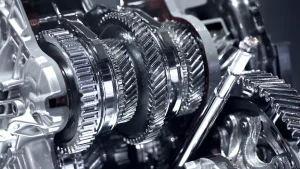
A dual-clutch transmission operates by utilizing two separate clutches, each responsible for a distinct set of gears. One manages the odd-numbered gears, while the other controls the even-numbered gears. These clutches are typically arranged either concentrically (one inside the other) or side-by-side, and are connected to corresponding input shafts. When the vehicle is in motion, one clutch engages the current gear while the other pre-selects the next gear, allowing for nearly instantaneous gear shifts with minimal interruption in power delivery. The core components of a DCT include the dual clutch packs, input and output shafts, gear sets, and a sophisticated control unit, often called the mechatronics unit. This electronic control module receives data from various sensors (such as throttle position, vehicle speed, and engine load) and orchestrates the timing and sequence of clutch engagement and gear changes. Depending on the application, DCTs may use either wet clutches (immersed in oil for cooling and durability) or dry clutches (lighter and more efficient for lower-torque scenarios). By automating clutch operation and gear selection, the DCT delivers rapid, seamless shifts, achieving performance and efficiency that surpass those of traditional automatic and manual transmissions.
Dual-Clutch vs Automatic Transmissions
Key Differences in Operation
Traditional automatic transmissions use a hydraulic torque converter to manage gear changes, which can introduce a slight delay and a less direct connection between the engine and the wheels. In contrast, dual-clutch transmissions employ two separate clutches for different gear sets, enabling them to engage one gear while disengaging another. There are also potential drawbacks associated with dual-clutch transmissions, such as reliability concerns, repair costs, and specific operational challenges.
Performance Comparison
Dual-clutch transmissions are renowned for their rapid shift times, which generally surpass those of traditional automatics. This capability not only enhances the driving dynamics but also contributes to a more engaging driving experience. The quick response and minimal power interruption during shifts allow vehicles equipped with DCTs to accelerate more smoothly and swiftly, making them preferable for sports cars and performance-oriented vehicles.
Efficiency of Dual-Clutch Transmissions
Fuel Economy Benefits
These transmissions significantly enhance fuel economy, a critical consideration for modern drivers conscious of both environmental impacts and fuel costs. Consider the following factors contributing to these benefits:
- Reduced Power Interruption: DCTs use two separate clutches for odd- and even-gear sets, enabling quicker, smoother gear transitions without a significant drop in engine power. This design feature prevents the usual power loss associated with gear shifting in traditional transmissions. By maintaining more consistent torque and power delivery, DCTs help in sustaining the engine’s efficiency throughout various driving conditions.
- Optimized Gear Ratios: Unlike traditional automatic transmissions, which typically have fewer gears, DCTs often have more, up to 10. This extensive range of gear ratios allows the vehicle's engine to operate more frequently within its ideal speed range. By keeping the engine running at an optimal speed, DCTs significantly reduce unnecessary power expenditure and enhance fuel economy. The ability to operate at optimal speeds also reduces engine strain and can contribute to longer engine life.
- Advanced Control Systems: Modern DCTs integrate advanced electronic controls that meticulously manage shift timings and patterns. These systems adjust the shifting activity based on a variety of driving conditions and styles, such as speed, acceleration, and road type. By optimizing how and when gear shifts occur, these control systems ensure that the transmission operates at peak efficiency, maximizing fuel economy. The sophistication of these systems also allows for adaptability in different driving scenarios, further enhancing the driving experience and fuel efficiency.
By efficiently managing engine power and optimizing gear shifts, they not only save fuel but also provide a smoother and more enjoyable driving experience. As environmental concerns and fuel costs continue to influence consumer choices, the benefits of DCTs make them a compelling option for new car buyers looking for performance and efficiency.
Faster Shifting Times
The hallmark of dual-clutch transmissions is their ability to change gears in just milliseconds, much faster than both manual and traditional automatic transmissions. This not only reduces fuel consumption by minimizing the time the engine spends in higher-power states but also improves overall vehicle performance. Faster shifts mean the vehicle can accelerate and decelerate more efficiently, staying within the optimal engine speed for any given condition.
Dual-Clutch vs Manual Transmissions
Key Differences in Driving Experience
The driving experience offered by dual-clutch transmissions differs markedly from that of manual transmissions. While both provide a sense of engagement and control, the mechanisms and user experience vary significantly:
- Shift Mechanism: Manual transmissions require the driver to shift gears using a clutch pedal and a gear stick to select the appropriate gear. This traditional method provides a direct connection with the car's mechanics. In contrast, dual-clutch transmissions eliminate the need for a clutch pedal by automating both the clutch operation and gear selection. Despite this automation, many DCTs still offer a manual mode, allowing drivers to engage the car's paddle shifters behind the steering wheel. This feature maintains a semblance of manual control, blending traditional driving with modern convenience.
- Driver Engagement: The appeal of manual transmissions lies in the 'hands-on' driving experience they provide, which is especially appreciated by purists and driving enthusiasts who crave a deeper connection with their vehicles. Manuals require constant driver input and reward skillful handling. On the other hand, dual-clutch systems, although automatic, are designed to deliver a sporty driving experience.
- Learning Curve: Mastering a manual transmission demands a significant amount of practice and skill, as drivers must learn to synchronize their use of the clutch pedal with the gear lever to achieve smooth and effective gear transitions. This learning process can be challenging but ultimately rewarding, providing a sense of achievement and a unique driving pleasure. Conversely, dual-clutch transmissions simplify the driving process by automating clutch operation and gear shifts. This reduces the learning curve and makes these vehicles more accessible, particularly to new drivers or those who prefer not to engage with the complexities of manual gear shifting.
- Convenience in Traffic: One of the most pronounced benefits of DCTs is their performance in stop-and-go traffic. They eliminate the need for the driver to repeatedly engage and disengage the clutch, which is a frequent and tiring requirement in vehicles with manual transmissions.
Understanding these differences is crucial for drivers choosing between a manual and a dual-clutch transmission. Each system offers distinct advantages, whether it’s the immersive experience of a manual or the sophisticated, user-friendly nature of a DCT. Ultimately, the choice depends on what the driver values most in their driving experience.
Pros and Cons of Manual Transmissions
Manual transmissions have their own set of advantages and disadvantages. On the plus side, they often offer better control over the vehicle, allowing the driver to optimize performance and fuel efficiency by selecting the appropriate gear. Manuals typically cost less to repair and maintain and can be more engaging for the driving purist.
Common Issues with Dual-Clutch Transmissions
Signs Your Dual-Clutch Transmission Needs Repair
Common indicators include unusual noises during gear shifts, such as grinding or whining, which suggest internal wear or misalignment. Another red flag is the vehicle hesitating or jerking during acceleration, pointing to issues with clutch engagement. If you notice a delay in gear shifting or the transmission slipping out of gear, it's time to start your dual-clutch repair soon to prevent further damage.
Common Problems and Their Causes
Overheating of the transmission fluid can occur, leading to degraded performance and eventual failure. Wear and tear on the clutch and gear assemblies due to aggressive driving can also lead to premature breakdowns. Electrical faults in the transmission control module may cause incorrect shifting patterns. Each of these problems impacts the intricate balance of a dual-clutch system, necessitating professional assessment and repair of dual-clutch transmission services.
Preventative Maintenance Tips
To avoid the common issues associated with dual-clutch transmissions, regular maintenance is essential. This includes periodic checks and replacement of transmission fluid to ensure optimal lubrication and cooling. Keeping the transmission software updated can also prevent electronic glitches that affect shifting patterns. Regularly servicing your vehicle at a certified dual-clutch transmission repair shop will help catch potential issues early, reducing repair costs and extending the lifespan of your transmission.
Repairing and Replacing Dual-Clutch Transmissions
Finding a Reputable Repair Shop
Selecting the best dual-clutch transmission repair shop is critical when it comes to handling sophisticated DCT systems. Reviews from previous customers can serve as a valuable resource, offering insights into the shop’s ability to handle intricate repairs and its reliability. These testimonials often highlight the shop’s proficiency in diagnosing issues unique to DCTs, such as clutch wear or electronic control problems, and their capability to execute meticulous repairs. Furthermore, recommendations from car enthusiast forums and trusted automotive networks can also guide you to reputable service providers who are recognized for their expertise in this niche.
It's beneficial to verify the certifications held by a repair shop. Certifications from well-regarded automotive bodies, such as Automotive Service Excellence (ASE), or specific manufacturer endorsements signal a commitment to maintaining high standards in transmission repair and to staying up to date with the latest automotive technologies. These credentials indicate that the technicians are not only skilled but also undergo ongoing training to stay up to date on evolving automotive innovations, particularly in high-tech transmissions like DCTs. Some shops might hold certifications from international automotive standards organizations, which can be an assurance of adherence to global best practices and quality standards.
How to Choose a Transmission Repair Specialist
Choosing a transmission repair specialist requires careful consideration. Ensure that the technicians are specifically trained in dual-clutch transmission technology and have a track record of successful repairs on vehicles similar to yours. Inquire about the diagnostic tools and repair techniques used by the repair shop. Modern DCTs require advanced diagnostic equipment to identify issues within the transmission system accurately. Effective diagnostics are pivotal, as they influence the entire repair process, ensuring that the underlying problem is correctly identified and appropriately addressed.
Ask if the shop employs the latest technology and methods in its diagnostic processes. This includes the use of manufacturer-specific tools designed to interface directly with your vehicle’s computer systems, which are crucial for pinpointing complex issues in modern DCTs. Understanding the repair techniques the shop employs can provide insights into how contemporary their methods are. For instance, the use of adaptive strategies that modify the transmission's operation parameters to match wear conditions can be a good indicator of a sophisticated approach to DCT maintenance and repair. The choice of a DCT specialist should also take into consideration the quality of customer service and support. Evaluate how the repair shop communicates with you about the issues your vehicle is experiencing and their proposed solutions. A reputable shop will be transparent about the diagnostic findings and clearly and understandably explain the necessary repairs. Also consider whether the shop offers warranties for the repairs they conduct, which reflects their confidence in the quality of their work and offers you peace of mind. Customer support extends beyond the repair itself; check if the shop offers follow-up services or advice on maintaining your DCT post-repair.
Factors Influencing Replacement Costs
Several factors affect the dual-clutch replacement cost. These include the vehicle's make and model, the availability of replacement parts, and the specific issue to be addressed. High-performance cars or those with rare parts can significantly increase the cost. Additionally, if the damage extends beyond the clutch itself, such as to the electronic control unit or gear assemblies, the overall expenses can escalate quickly.
Making an Informed Decision
Considerations for Buying a Vehicle with DCT
When considering the purchase of a vehicle with a dual-clutch transmission, it's important to weigh the pros and cons. Assess the benefits, such as enhanced fuel efficiency and superior performance, against potential drawbacks like higher repair costs and the need for specialized maintenance services. It’s also wise to test drive the vehicle to ensure the driving experience aligns with your expectations.
Maintaining Your Dual-Clutch Transmission
To maximize the lifespan and performance of a dual-clutch transmission, regular maintenance is crucial. Follow the manufacturer’s guidelines for service intervals and use only recommended fluids and parts. As emphasized before, periodic checks by a qualified mechanic for transmission repair can help detect and address issues before they escalate, ensuring your DCT operates efficiently and reliably.
As automotive technology continues to evolve, the benefits of dual-clutch transmissions represent a significant advancement in combining the comfort and ease of automatics with the efficiency and performance of manuals. For those who value these aspects and are willing to invest in the care and maintenance of their vehicle, a DCT offers a rewarding driving experience. It is important, however, to consider both the immediate benefits and the long-term commitments associated with owning such a technologically advanced system. Ensure smooth, reliable performance from your dual-clutch transmission by booking professional service with Trans Medic Transmission today.
Follow a maintenance program
Ante gravida id aenean quis egestas risus nam amet nullam leo diam diam aliquam eu eu malesuada arcu rhoncus suspendisse nulla mattis ut amet sagittis in justo egestas.
search for a trusted mechanic
Lorem ipsum dolor sit amet, consectetur adipiscing elit lobortis arcu enim urna adipiscing praesent velit viverra sit semper lorem eu cursus vel hendrerit elementum morbi curabitur etiam nibh justo, lorem aliquet donec sed sit mi dignissim at ante massa mattis.
- Neque sodales ut etiam sit amet nisl purus non tellus orci ac auctor
- Adipiscing elit ut aliquam purus sit amet viverra suspendisse potent
- Mauris commodo quis imperdiet massa tincidunt nunc pulvinar
- Excepteur sint occaecat cupidatat non proident sunt in culpa qui officia
Check the air pressure in your tires
Vitae congue eu consequat ac felis placerat vestibulum lectus mauris ultrices cursus sit amet dictum sit amet justo donec enim diam porttitor lacus luctus accumsan tortor posuere praesent tristique magna sit amet purus gravida quis blandit turpis.
Review your suspension frequently
At risus viverra adipiscing at in tellus integer feugiat nisl pretium fusce id velit ut tortor sagittis orci a scelerisque purus semper eget at lectus urna duis convallis. porta nibh venenatis cras sed felis eget neque laoreet suspendisse interdum consectetur libero id faucibus nisl donec pretium vulputate sapien nec sagittis aliquam nunc lobortis mattis aliquam faucibus purus in.
- Neque sodales ut etiam sit amet nisl purus non tellus orci ac auctor
- Adipiscing elit ut aliquam purus sit amet viverra suspendisse potent
- Mauris commodo quis imperdiet massa tincidunt nunc pulvinar
- Excepteur sint occaecat cupidatat non proident sunt in culpa qui officia
Service your vehicle as regularly as posible
At risus viverra adipiscing at in tellus integer feugiat nisl pretium fusce id velit ut tortor sagittis orci a scelerisque purus semper eget at lectus urna duis convallis. porta nibh venenatis cras sed felis eget neque laoreet suspendisse interdum consectetur libero id faucibus nisl donec pretium vulputate sapien nec sagittis aliquam nunc lobortis mattis aliquam faucibus purus in.
“Nisi quis eleifend quam adipiscing vitae aliquet bibendum enim facilisis gravida neque velit euismod in pellentesque”
Conclusion
Eget lorem dolor sed viverra ipsum nunc aliquet bibendum felis donec et odio pellentesque diam volutpat commodo sed egestas aliquam sem fringilla ut morbi tincidunt augue interdum velit euismod eu tincidunt tortor aliquam nulla facilisi aenean sed adipiscing diam donec adipiscing ut lectus arcu bibendum at varius vel pharetra nibh venenatis cras sed felis eget.